
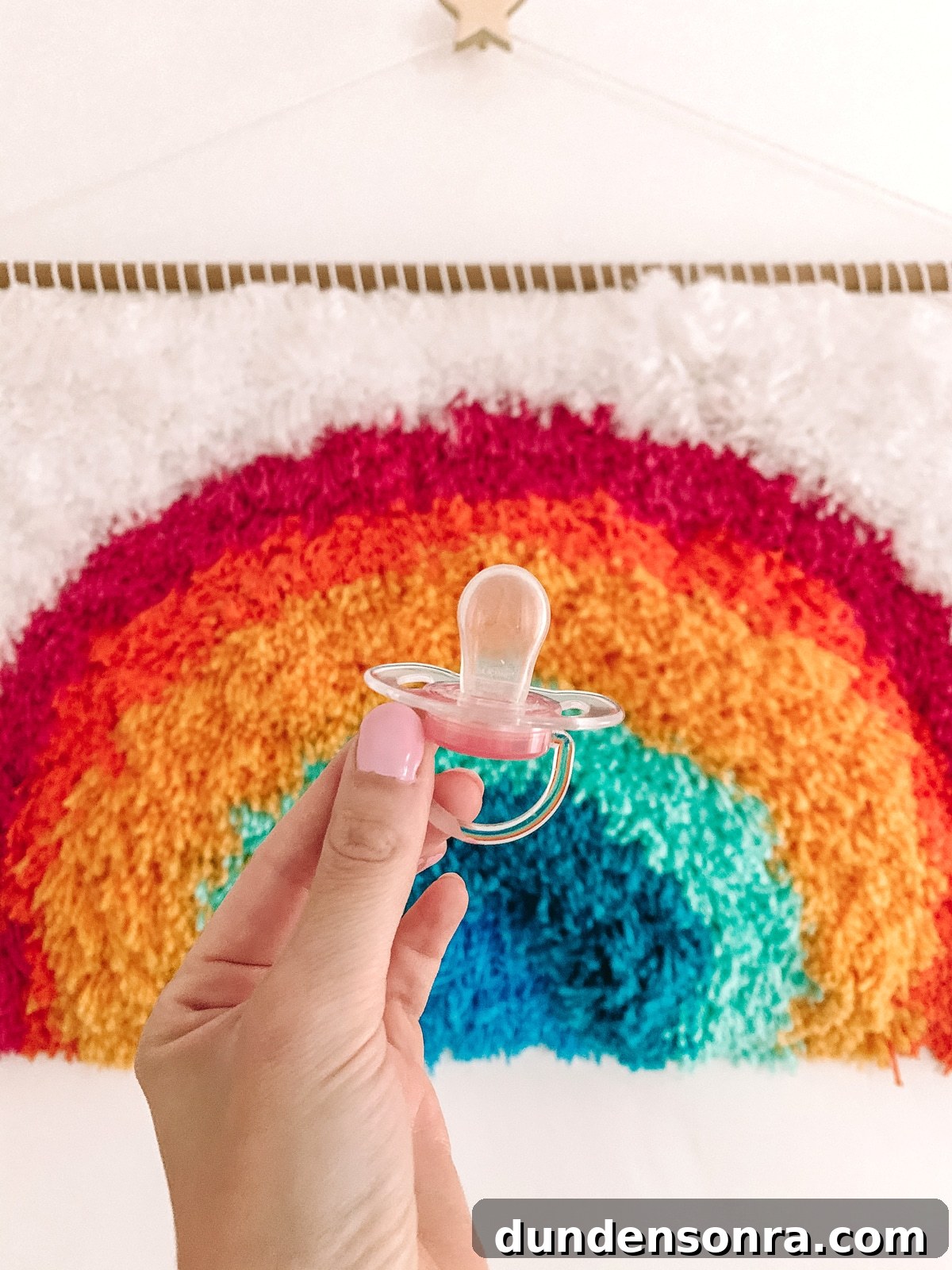
When our child was just over three years old, we finally succeeded in removing the pacifier. We had postponed the moment for more than a year out of fear—mostly of regressing on the sleep progress we’d worked so hard to achieve. Plenty of people told us it wouldn’t be as difficult as we feared, and in the end they were right.
If your child relies on a pacifier, you’re not alone. We limited ours to nap and bedtime (and flights) around 18 months. Each time we planned to quit completely, a schedule change, trip or family event meant we delayed. The pacifier was a comfort during transitions, so we waited until the timing felt right. Eventually we had no more excuses and went through with it. There were tears from both of us, but overall it was far easier than we expected.
I asked for ideas and hundreds of parents shared methods that worked for them. Below are several parent-approved approaches, including the hybrid method we used. Each method benefits from giving your child time and explanation beforehand so they can be part of the process.
The Explanation
One key for us was involving our child. Surprises didn’t work well with him—he responds better when he has time to process. On a friend’s suggestion, we started by talking about the change for several days. Casually mention that pacifiers get old and some begin to break as children grow. That gives the idea time to settle in.
We actually had two pacifiers break over a few weeks, which helped him understand the concept while still having one for comfort. Unless your child does much better with minimal information, spend a few days explaining what’s coming. That simple step made our transition much smoother.
Cutting the Paci
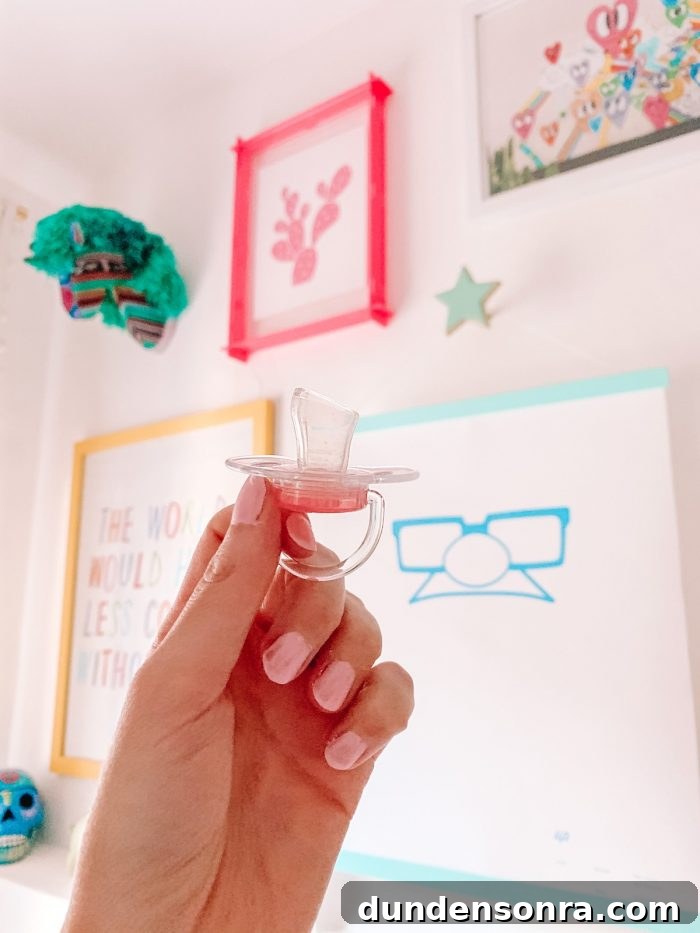
Cutting the pacifier was the most recommended method and the approach we used. The idea is to render the pacifier unusable by cutting or poking a hole so it no longer creates suction.
After several days of discussion, choose a nap or bedtime to begin. Snip part of the pacifier off before the nap and discard the removed portion. Let your child use the “broken” pacifier for a day and answer any questions calmly. Children often try to keep a broken pacifier in their mouths, so be prepared for that.
The following day, cut a bit more so the pacifier is clearly unusable. Invite your child to help dispose of it or give it away. Let them lead the final step if possible; allowing ownership of the action helps many children accept the change.
Gifting the Paci
Gifting the pacifier to a younger child is another widely recommended approach and one my own mother used with me. Frame it as a generous act: explain that a baby or little friend will be so happy to receive the pacifier.
Make a small project out of it—decorate an envelope, draw a note, add stickers, and involve your child in wrapping or preparing the pacifier. Then deliver or mail it together. The act of giving can transform the loss into something positive and meaningful.
The Paci Bear (or Doll)
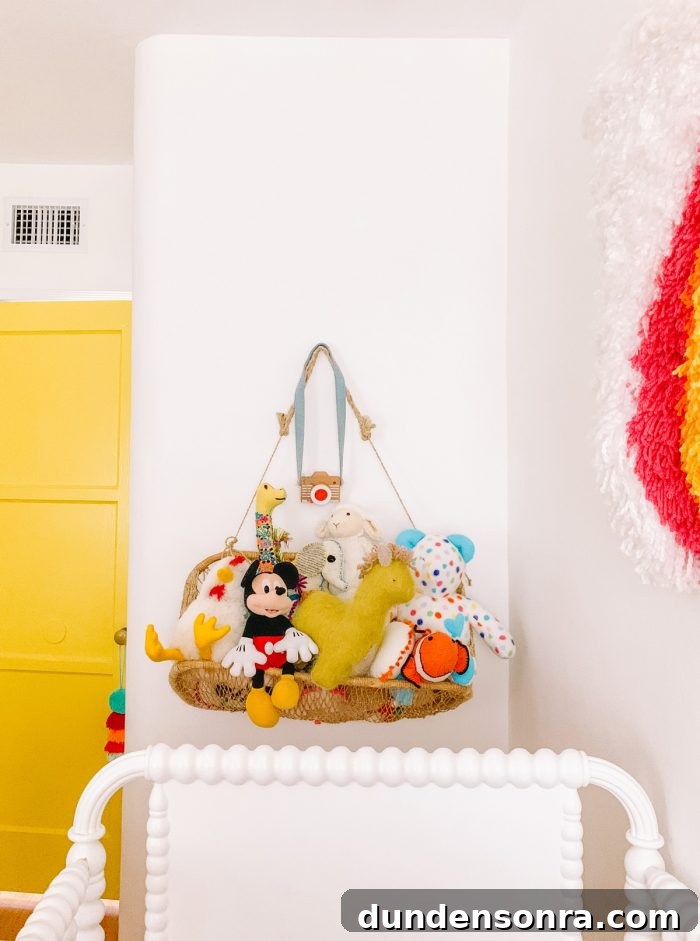
For children who love stuffed animals, consider creating a special toy that can hold the pacifier. Explain that their paci will live with a new paci bear or doll so they can still keep it close without using it.
If you sew, buy or make a stuffed animal and open a seam where the pacifier can be placed, then sew it closed after your child gives the pacifier one last “kiss.” If sewing isn’t your thing, look for build-your-own stuffed-animal venues or kits that let you create a plush that can store the pacifier.
Turn the process into a creative activity—let your child participate in making or choosing the toy so the transition feels celebratory rather than punitive.
The Paci Fairy
If your child believes in the tooth fairy, Santa or the Easter Bunny, the Paci Fairy can be effective. Explain that when the Paci Fairy collects pacifiers, she gives them to babies who need them and leaves a special “big kid” surprise in return.
Prepare for several days of discussion, then let your child leave the pacifier for the fairy. You can make a small fairy door or decorated spot together where the pacifier will be left. The ritual adds magic and helps some children view the change as a milestone toward being a “big kid.”
—
We prepared for the worst but only experienced one day of tears. After that, it was done. I hope one of these strategies helps your family. Many parents shared additional ideas—try adapting any approach to your child’s temperament and your family’s routines to find the best fit.
More Parenting Tips
- How We Taught Our Toddler to Shower
- Our Parenting Philosophy on Kids’ Toys (and How to Get the Family On Board)
- How to Survive Flying with a Baby or Toddler: Tips, Gear and Plane Activities
- Our Toddler Bedtime Routine
- Real Talk with Real Moms: Screen Time and Play