
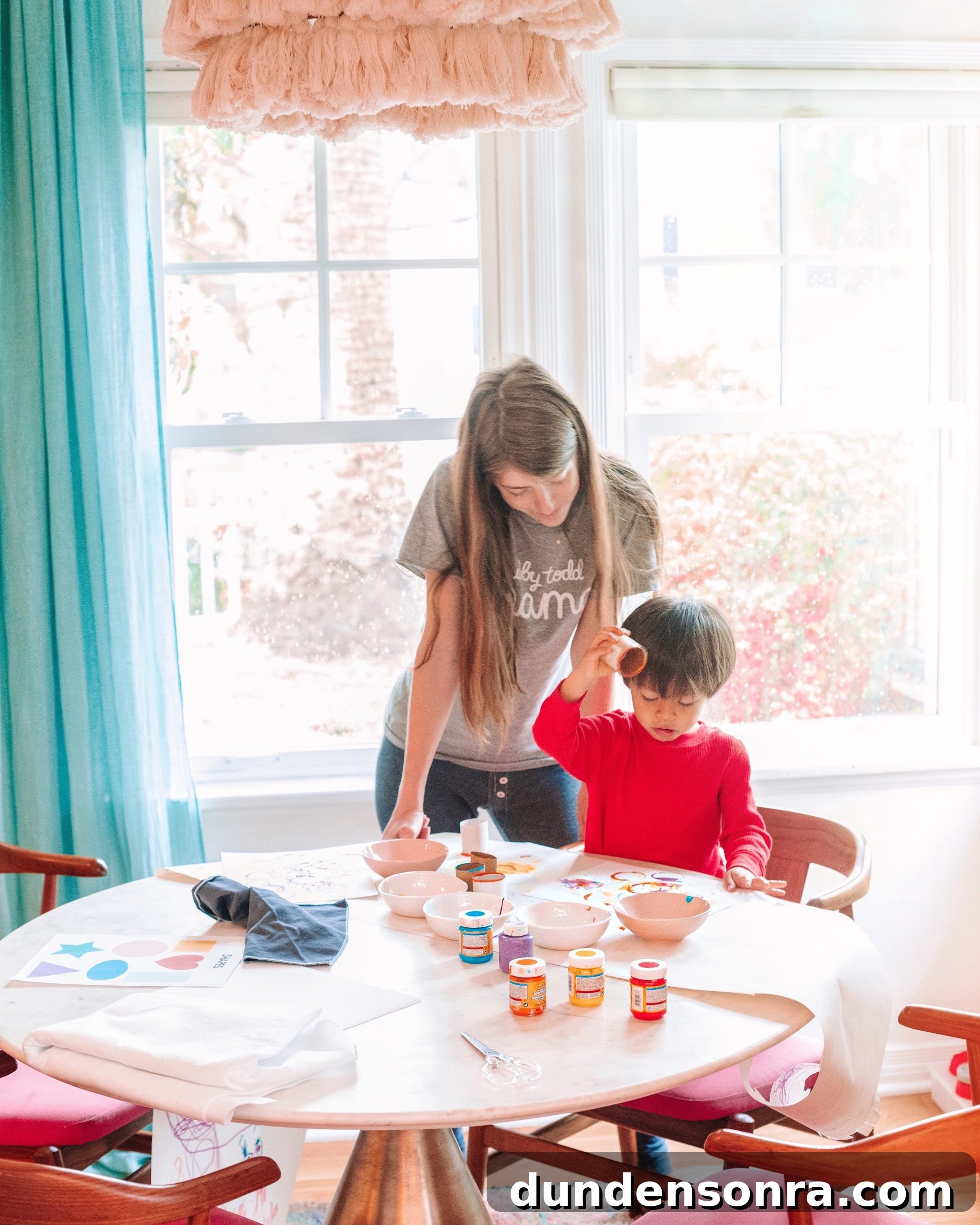
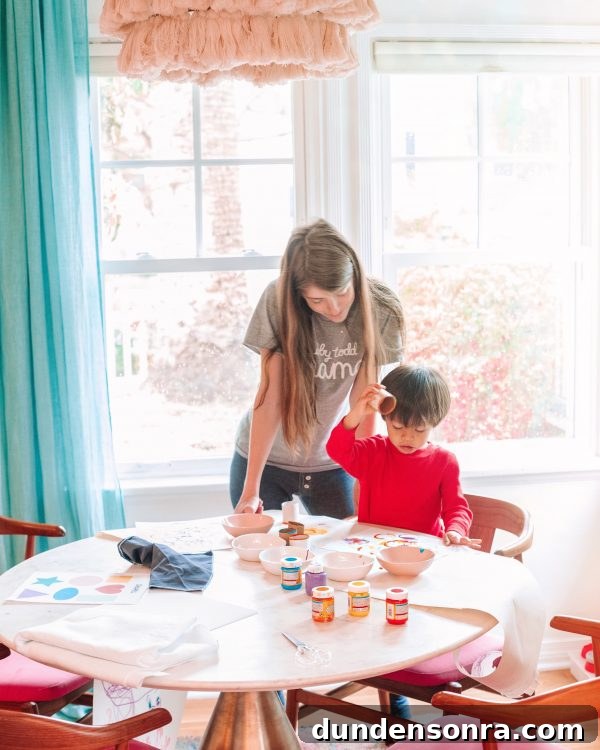
Welcome to Toddler Camp — a simple, flexible plan for filling days at home with a toddler in ways that are fun for kids and manageable for parents. When I realized we’d be spending several weeks at home, I wanted to add variety and structure without turning every minute into an activity. The solution: give each day a theme and plan crafts, books, shows and play around that theme. Themed days let you mix hands-on and low-effort activities so parents can still work or handle chores.
These ideas are useful for holidays, school breaks or any long stretch at home with little ones. Below I share the general schedule we use, explain the activity categories, and list the themes we rotate through. Over the next few weeks I’ll post detailed breakdowns for each theme and link them here so this can be a central resource.
Why Themes Work for Toddlers (And You Too)
Toddlers often latch onto a single show, toy or book and want to repeat it endlessly. That can be exhausting for caregivers. Calling a day “Music Day” or “Space Day” makes switching activities feel special instead of like a change. For example, after watching the same movie for days, my child happily watched a different movie when I introduced it as part of a themed day — the theme gives permission to try something new.
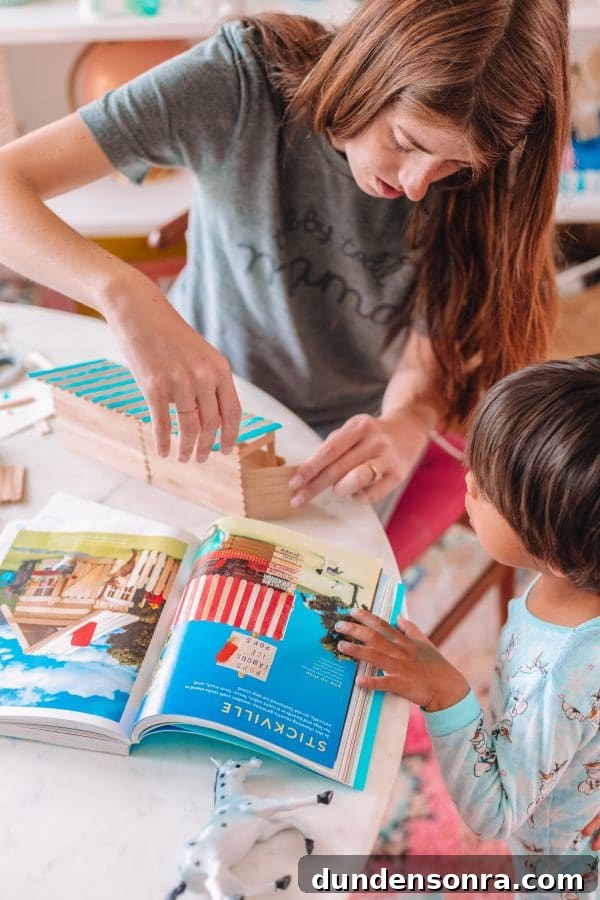
Our Daily Camp Schedule
We use a loose daily routine that balances structured play, parent work time, and free play. We don’t follow it rigidly every day, but having a plan helps when things feel overwhelming.
7:00 AM – 8:00 AM: Wake up, breakfast
8:00 AM – 9:00 AM: Show, free play
9:00 AM – 10:30 AM: Crafts + Sensory Play (Parent A supervises while Parent B works)
10:15 AM: Morning snack
10:30 AM – 12:00 PM: Active Play (Parent B supervises while Parent A works)
12:00 PM – 12:45 PM: Lunch prep (free play) + lunch
12:45 PM – 1:00 PM: Themed books
1:15 PM – 3:30 PM (approx.): Nap / Quiet time (work time for both parents)
3:30 PM – 4:30 PM: Snack, show, free play (parents wrap up work)
4:30 PM – 5:30 PM: Craft or sensory play
5:30 PM – 6:00 PM: Family walk or free play (depending on dinner prep)
6:00 PM – 6:30 PM: Dinner
6:30 PM – 7:00 PM: Free play or bath
7:00 PM – 8:00 PM: Bedtime routine
8:00 PM: Bedtime
Below are descriptions of the activity categories so you know what to expect when I post each themed day.
Shows and Movies
Planned screen time can be a lifesaver when parents need to work or finish tasks. We schedule short show blocks throughout the day for flexibility. Naptime or quiet time can be converted into focused adult work time when naps become less reliable.
Sensory Play
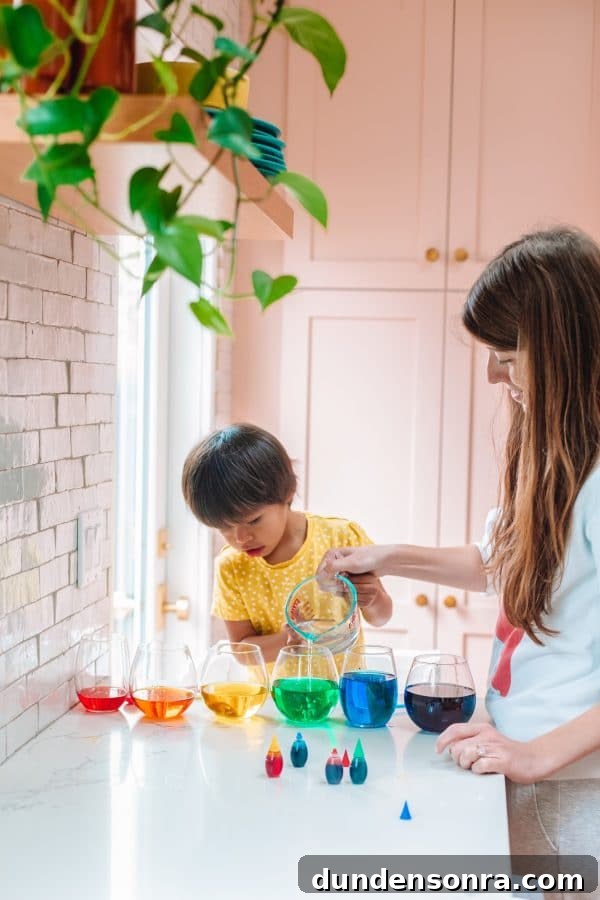
Sensory activities have a big impact on mood and behavior; our house sees fewer meltdowns on days with strong sensory play. Sensory time can include tactile bins, water or sand play, simple science experiments, or themed discovery trays. These activities often hold a toddler’s attention for longer stretches.
Active Play
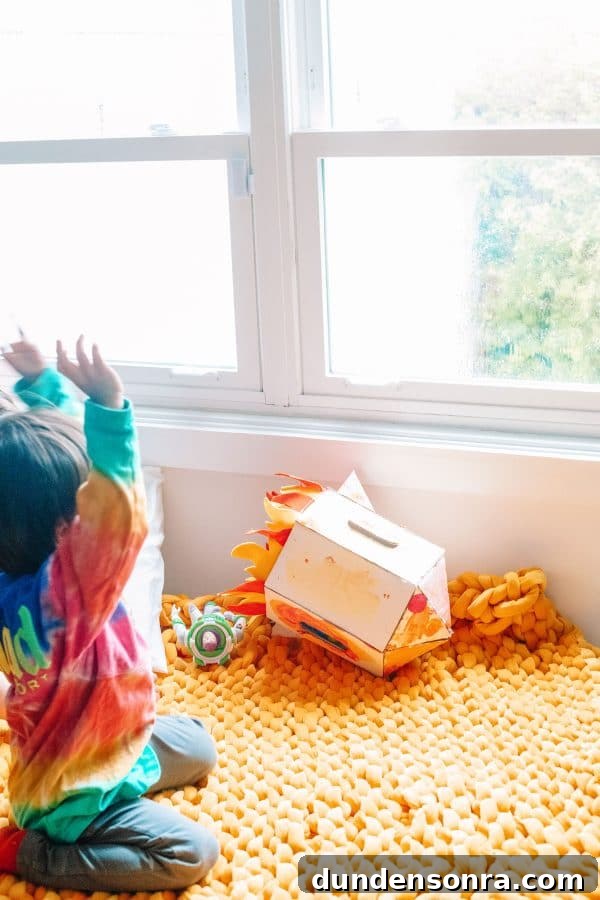
Physical activity is essential for toddlers who are used to parks and playgrounds. Aim for at least one active play session daily — obstacle courses, dance parties, or scavenger hunts help burn energy and support better behavior.
Indoor active play ideas:
- Kid’s yoga
- Obstacle courses
- Fort building
- Dance parties
- Hide and seek
- Treasure hunts
- Jumping on supervised soft surfaces
- “Stepping stones” games
- Red Light / Green Light
- Blanket tunnels
- Hopscotch
- Freeze dance
- Races and running challenges
- Ninja Warrior–style courses
- Extended supervised bath time
- Wrestling and gentle roughhousing
- Dress-up and performances
- Musical Chairs
- “Snowball” pom-pom fights
- Indoor trampoline (supervised)
- Building with soft modular couch pieces
Crafts and Projects
Crafts keep kids engaged and give parents a creative outlet. For each theme I include a few simple crafts using common household supplies. I prefer projects that tie into play later in the day or make sweet mail for friends and family.
Books
Reading is part of our daily routine at nap and bedtime, and themed reading helps rotate titles so you aren’t stuck on the same one forever. Use prompts like “Can you find the ____?” or “How does that character feel?” to make board books feel interactive and age-appropriate.
Free Play
Free, unstructured play is crucial. It encourages imagination, problem solving, and self-directed learning. I intentionally schedule hands-off time so my child can explore independently, use toys in new ways, and revisit crafts for imaginative play. Leave a few themed toys or puzzles visible to reinforce the day’s theme.
Theme Day Ideas
Here are the themes we rotate through. As I publish individual posts for each theme, I’ll update this list to make it easy to find detailed ideas and supply lists.
- Shapes Day
- Music Day
- Ice Cream Day
- Space Day
- Rainbow Day
- Bugs Day
- Wild Animal Day
- Under the Sea
- Dinosaurs
- Farm
- Spa Day
- Things That Move
- Superheroes
- Restaurant / Chef
- Weather
- Art
- Monsters
- Magic
- Disneyland
The Theme Basket
Write each theme on a slip of paper or a popsicle stick and place them in a basket. Each night we pick the next day’s theme at dinner — it gives my child something to look forward to and gives me time after bedtime to prepare activities. If you have older children, you could extend a theme over several days or a week for deeper exploration; for toddlers, daily rotations tend to keep interest high.
Stay Tuned
I’ll be adding full breakdowns for each theme with activity instructions, supply lists and variations. Check back here for links and updates. If you have theme ideas or variations that worked for your family, feel free to note them where this post allows comments. We’re all doing our best — and small, consistent routines can make a big difference.