


When you’re planning a renovation or redecorating a room, choices abound — in style and in cost. What deserves an investment? Where can you save without sacrificing the result?
In this installment of my budgeting series with You Need A Budget (YNAB), I’ll walk through practical decisions to help you prioritize spending when moving into or updating a home. YNAB focuses on budgeting with the money you have now, which makes it easier to see exactly what you can afford when a project begins.
If you’re buying a house, YNAB also has resources to help you budget, save, and plan for that purchase. Here, I’ll focus on the choices that come immediately after you buy: where to splurge and where to save so your renovation funds go further.

Budgeting for Renovation & Design Projects
YNAB lets you create as many budget categories as you need and easily move money between them — a useful tool when planning a renovation. Below are ways to structure your budget and set realistic goals.
- Broadly, by room: When saving for multiple projects, create a budget for each room that covers everything from construction to furniture. This gives a clear overall target.
- By room and category: After funding a project, break it down into categories like flooring, paint, furniture, electrical, and so on to track expenses precisely.
- Unexpected expenses: Always include a buffer. Renovations bring surprises, and having a designated reserve reduces stress and avoids digging into unrelated funds.
Budgeting with the money you have now gives you a realistic view of what you can commit to before you start work.
Splurge
Decide in advance what you’ll splurge on so you can save accordingly. These are areas where spending more upfront tends to pay off in comfort, longevity, and resale value.
The following elements are worth allocating a larger portion of your budget to.
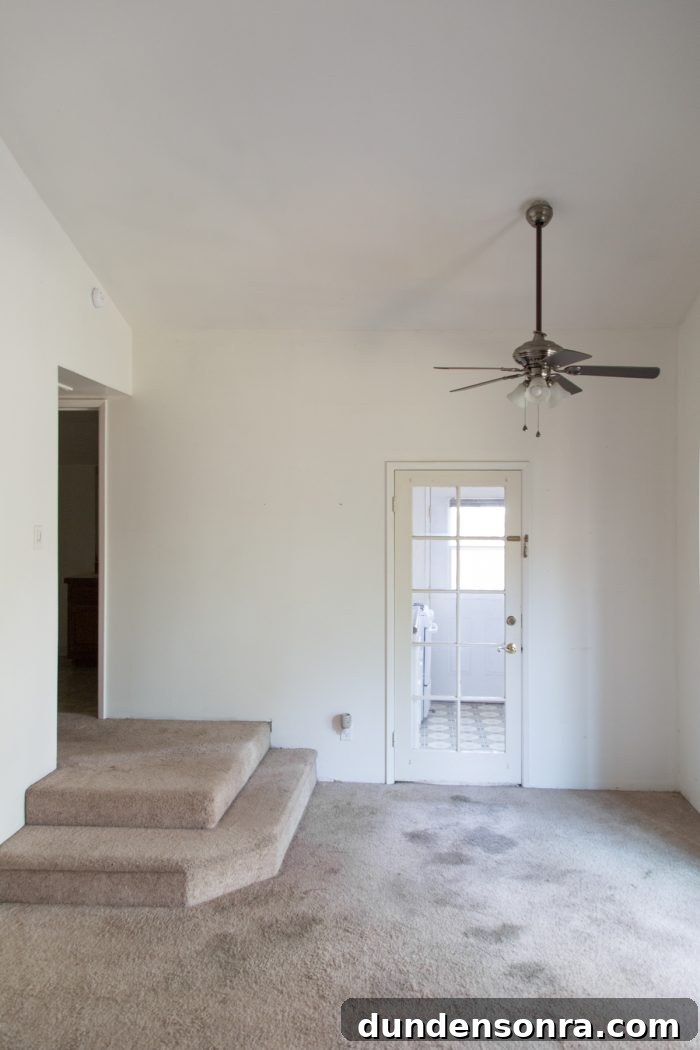
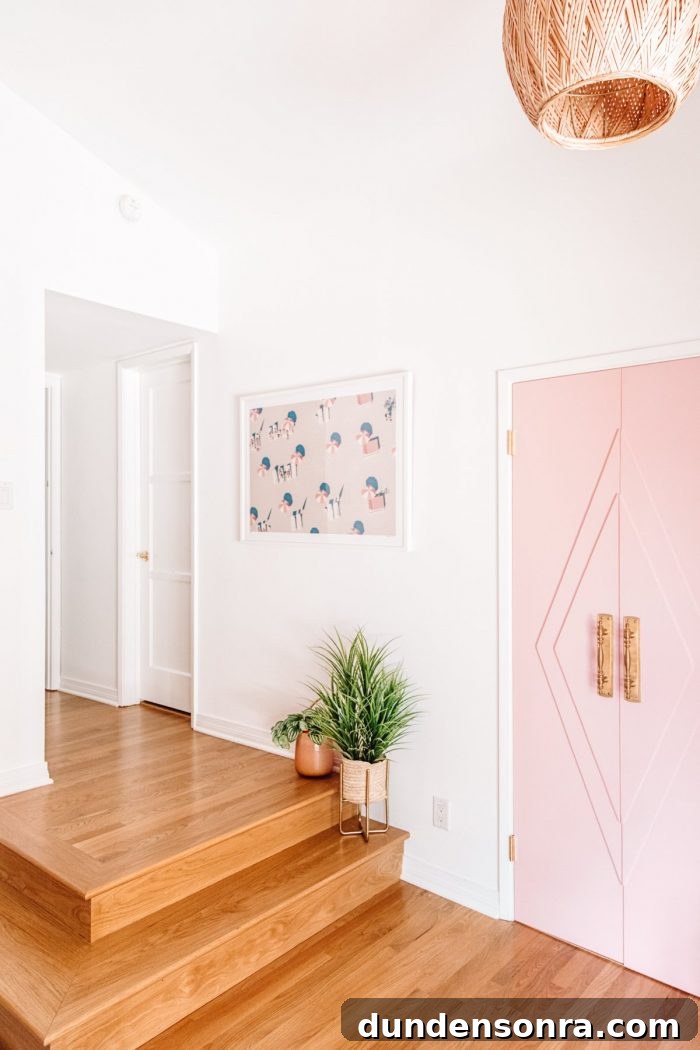
Floors
Floors are one of the most used and longest-lasting parts of a home. They endure wear, are inconvenient to replace after you move in, and are often scrutinized by future buyers. Investing in high-quality flooring upfront often saves money and hassle later and anchors the entire aesthetic of your home.
Windows
Good windows improve the appearance of your home, increase comfort, and reduce energy costs. If replacements are necessary, choose properly installed, well-made windows. For dark rooms, a skylight can dramatically transform the space.
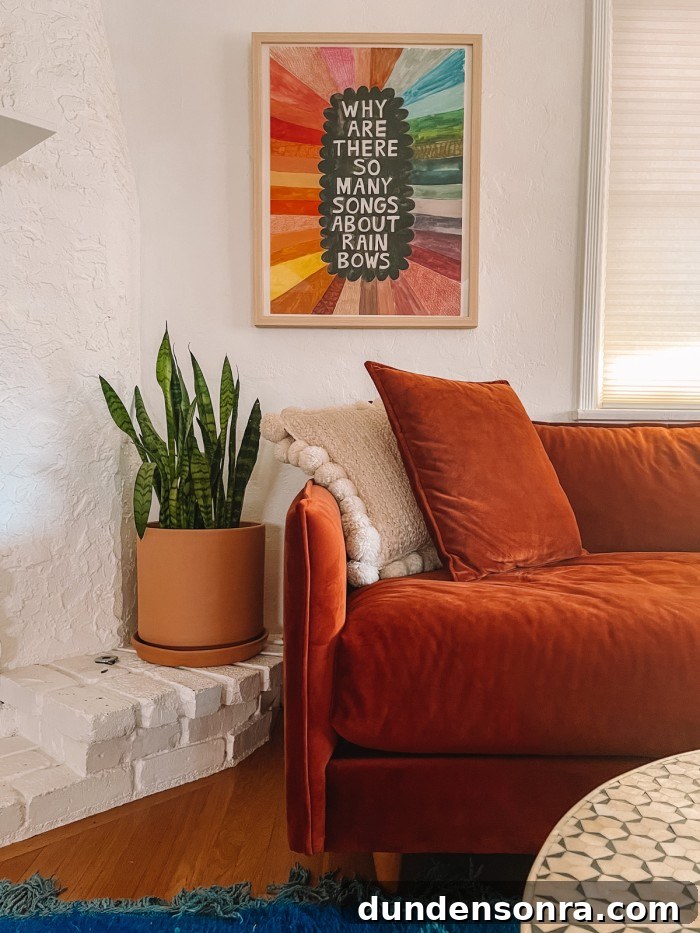
Items You Spend The Most Time Sitting On
Invest in a quality couch, mattress, and (if you work from home) an office chair. These pieces get frequent use and should be comfortable, durable, and something you love.
Lighting
Lighting shapes both the look and mood of a room. A thoughtfully chosen fixture can elevate the entire space and make other budget-friendly choices look intentional.
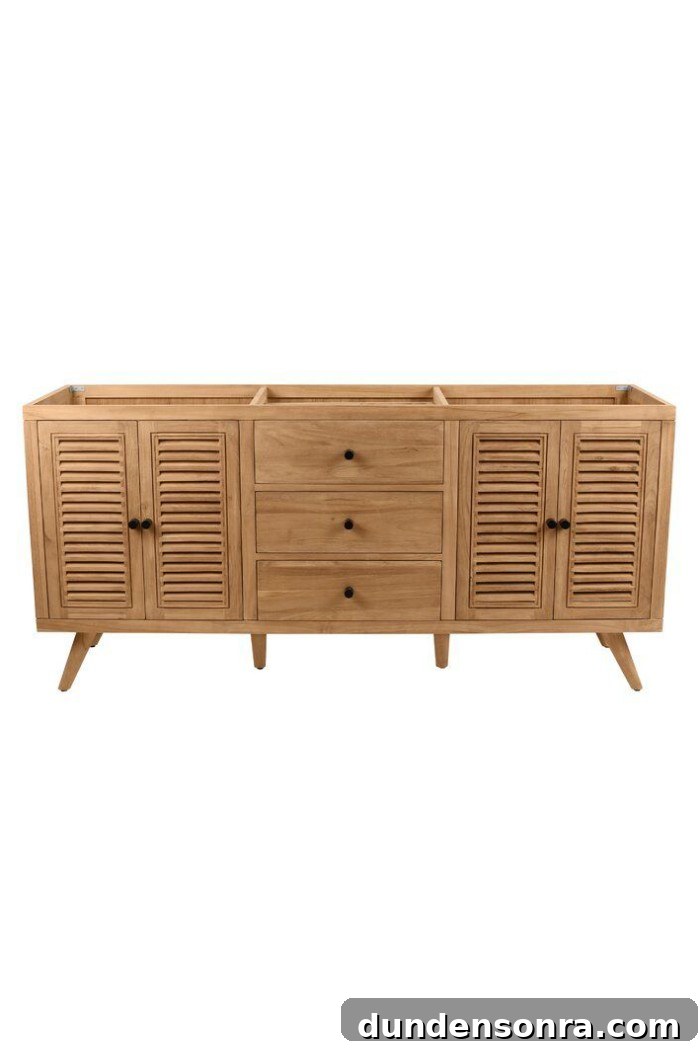
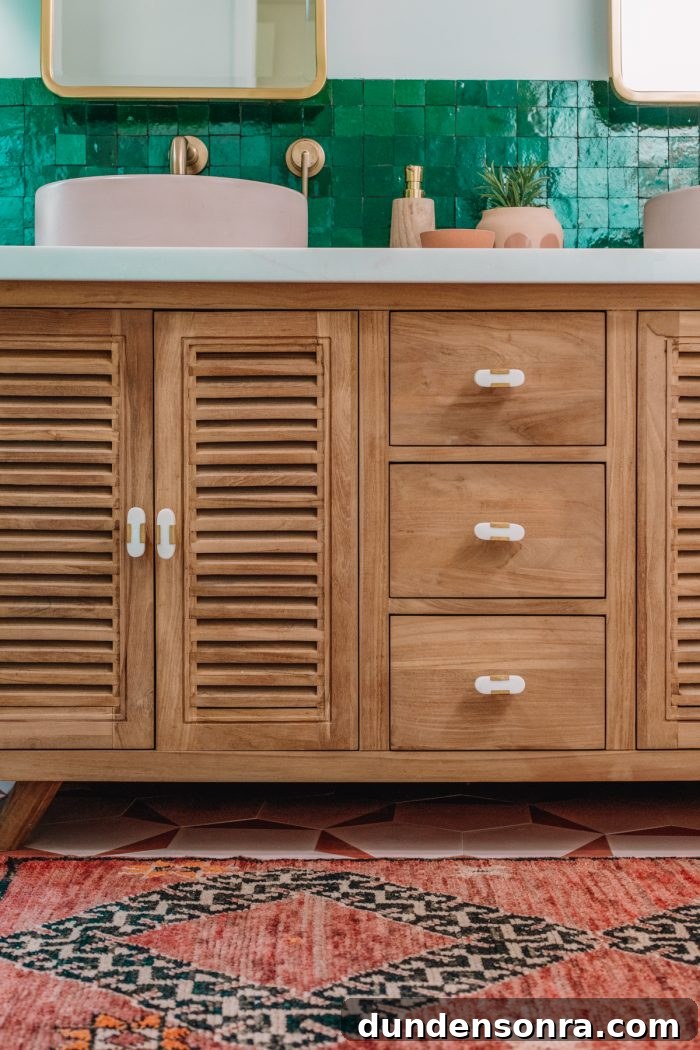
Hardware & Fixtures
High-quality hardware can completely refresh cabinetry or a bathroom without a full renovation. Swapping knobs, pulls, and faucets — combined with paint — often transforms a space at a fraction of the cost of replacement. For metal finishes like brass, spending a bit more typically yields a richer, longer-lasting look.

Heirloom Pieces
Create a budget category for heirloom pieces you’ll keep for years. These can be solid wood furniture, natural-fiber rugs, or vintage finds that endure both physically and stylistically. Saving for quality items avoids repeated replacement costs and builds lasting character in your home.
Save
Now for smart places to save. These choices reduce cost without sacrificing the overall design quality, and in some cases can cut thousands off your construction expenses.
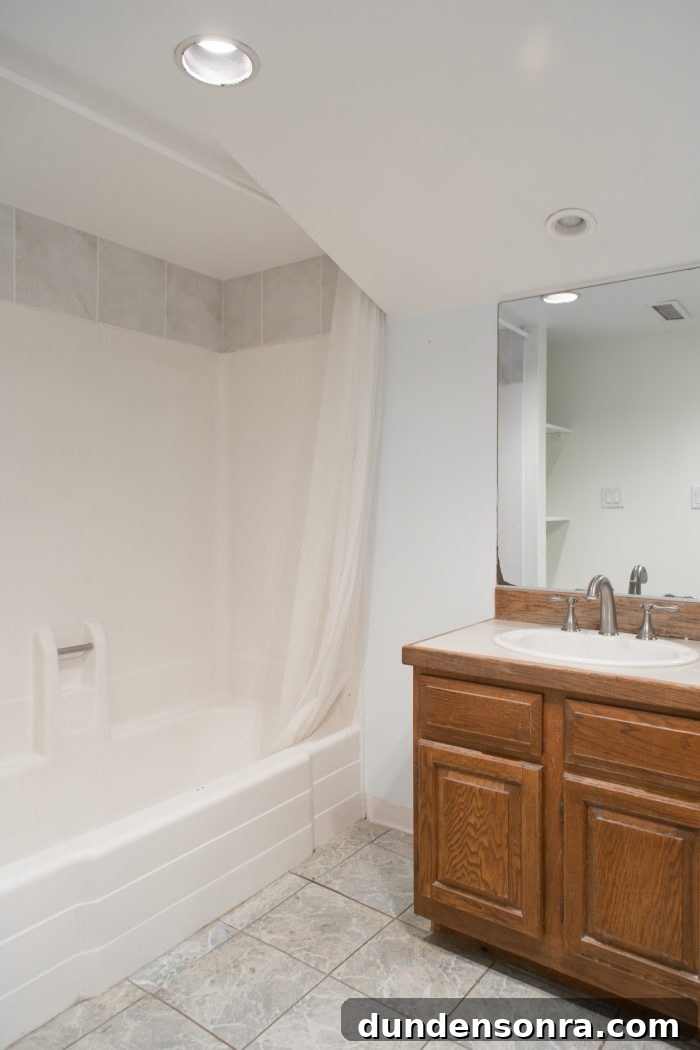
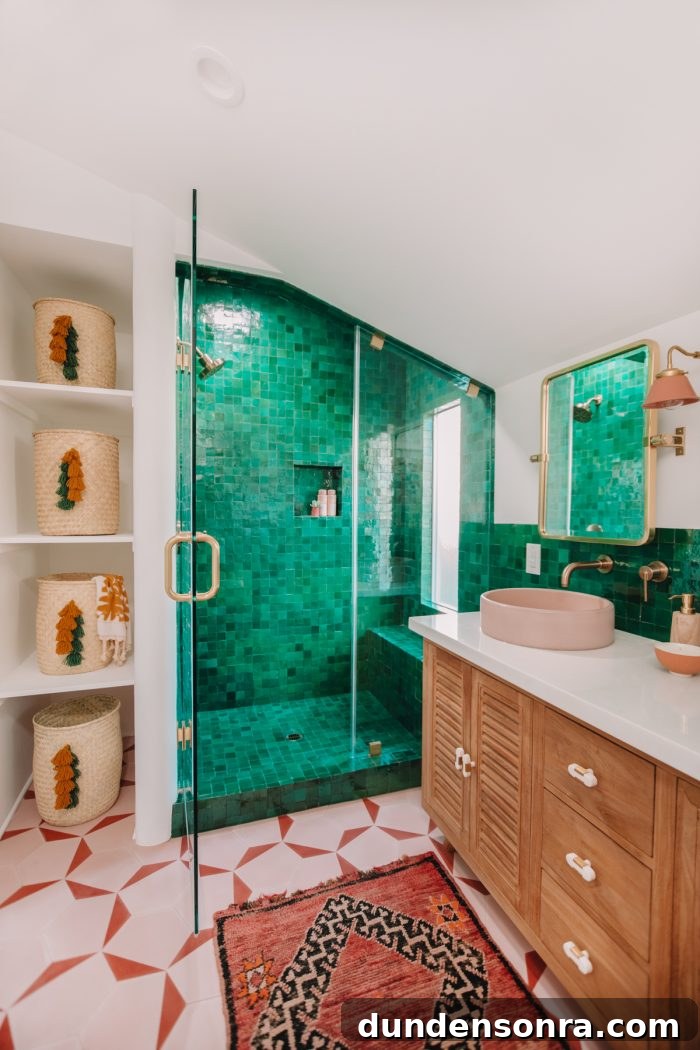
Keeping the Layout
Moving plumbing and electrical drives up costs quickly. When possible, keep toilets, tubs, sinks, ovens, and major fixtures in their current locations. Reusing fixture positions reduces labor, drywall repairs, and painting, saving significant money.
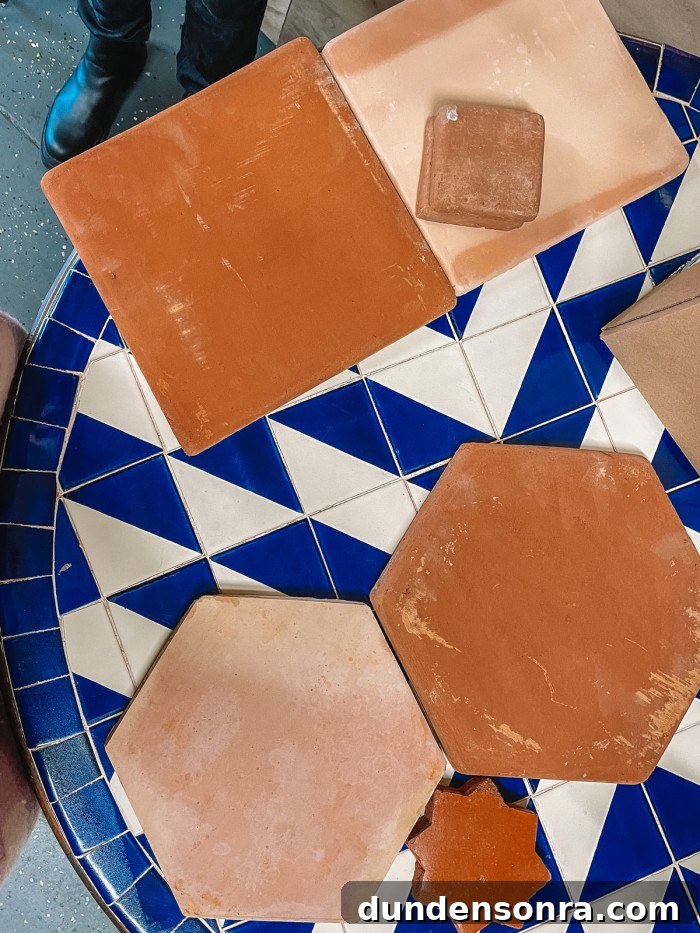
Tile Pattern
Tile size and pattern greatly affect installation cost. Smaller tiles and intricate layouts need more cuts and labor. Choosing larger, simpler tiles can save thousands in installation fees. For example, switching from hexagon tile to square tile reduced our project cost by several thousand dollars.
Cabinets
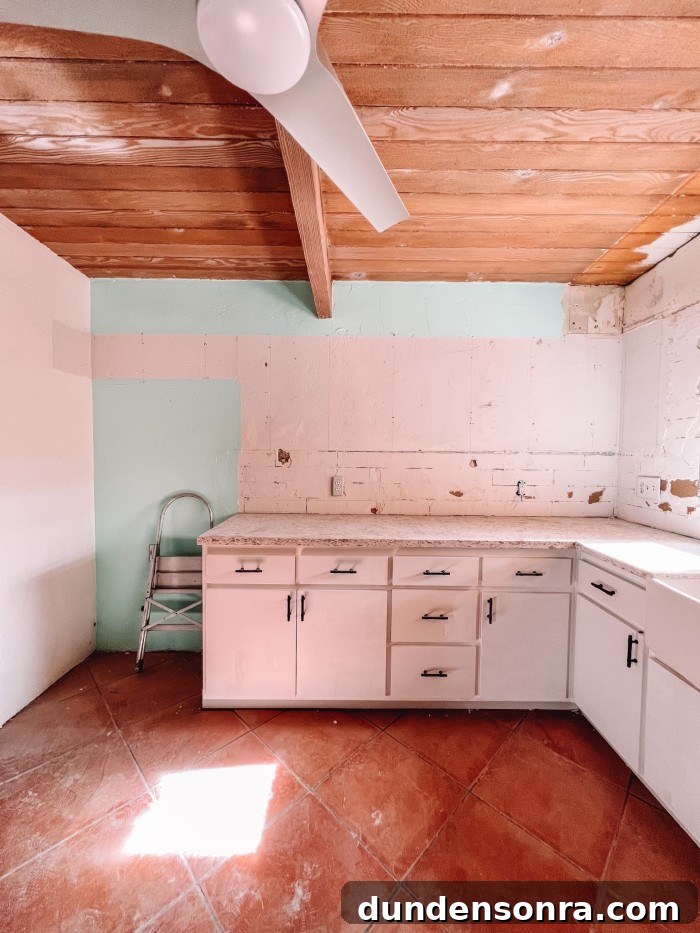
Custom cabinetry is beautiful but expensive. Pre-fabricated cabinets have improved a lot and can be a budget-friendly alternative that holds up well. If you aren’t ready for custom units, refresh existing cabinets with paint and new hardware for a dramatic update.
Second Hand Furniture
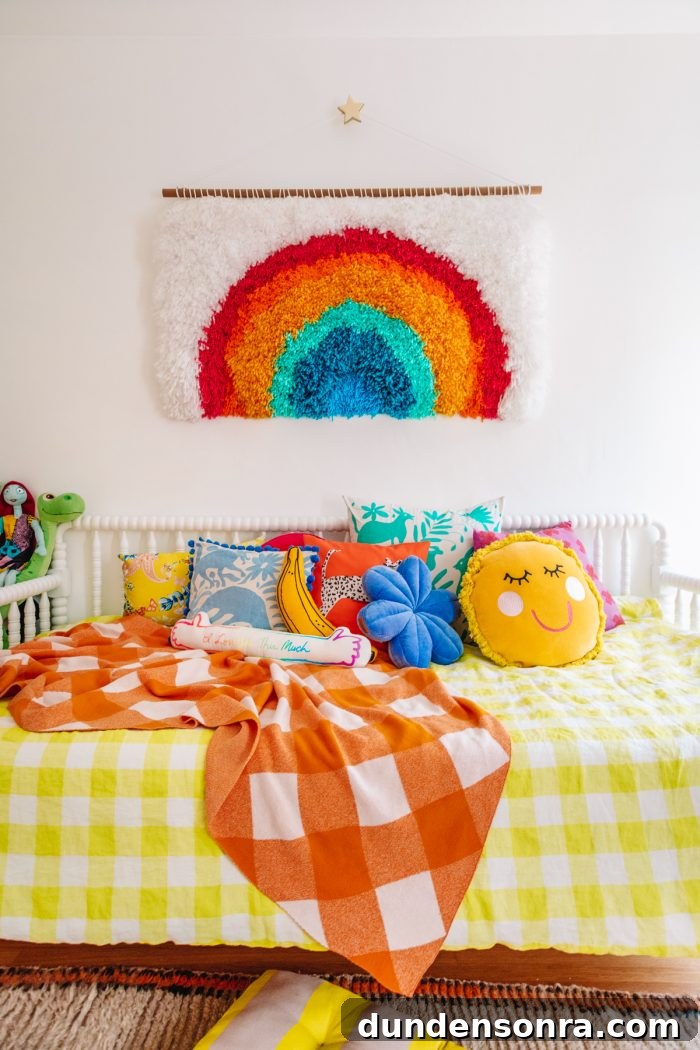
Always check second-hand options before buying new. Used furniture, from tables to dressers, is often in near-perfect condition and far more affordable. Set alerts on resale apps or visit flea markets and thrift stores to find great pieces for a fraction of the cost.
Second Hand & Vintage Decor Items
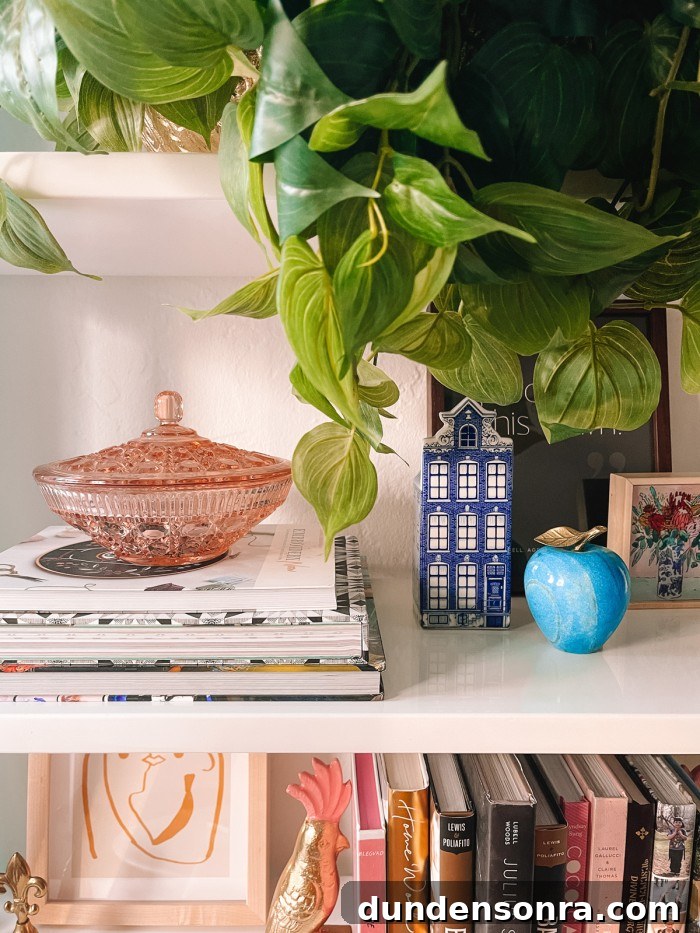
Thrift stores and flea markets are treasure troves for decor. Vintage mirrors, pottery, candlesticks, and small furnishings add character and a collected feel at much lower prices than buying new. Regular searching pays off.
Mirrors
Affordable, well-framed mirrors are widely available and can complement a higher-end choice elsewhere. If you splurged on a prominent finish like tile, a clean, budget-friendly mirror will still look polished.

Are there design elements you consider an absolute splurge or a smart save? I’d love to hear your thoughts.
This post was created in partnership with YNAB. All content and opinions are my own. Thank you for supporting the sponsors that help keep this content possible.