
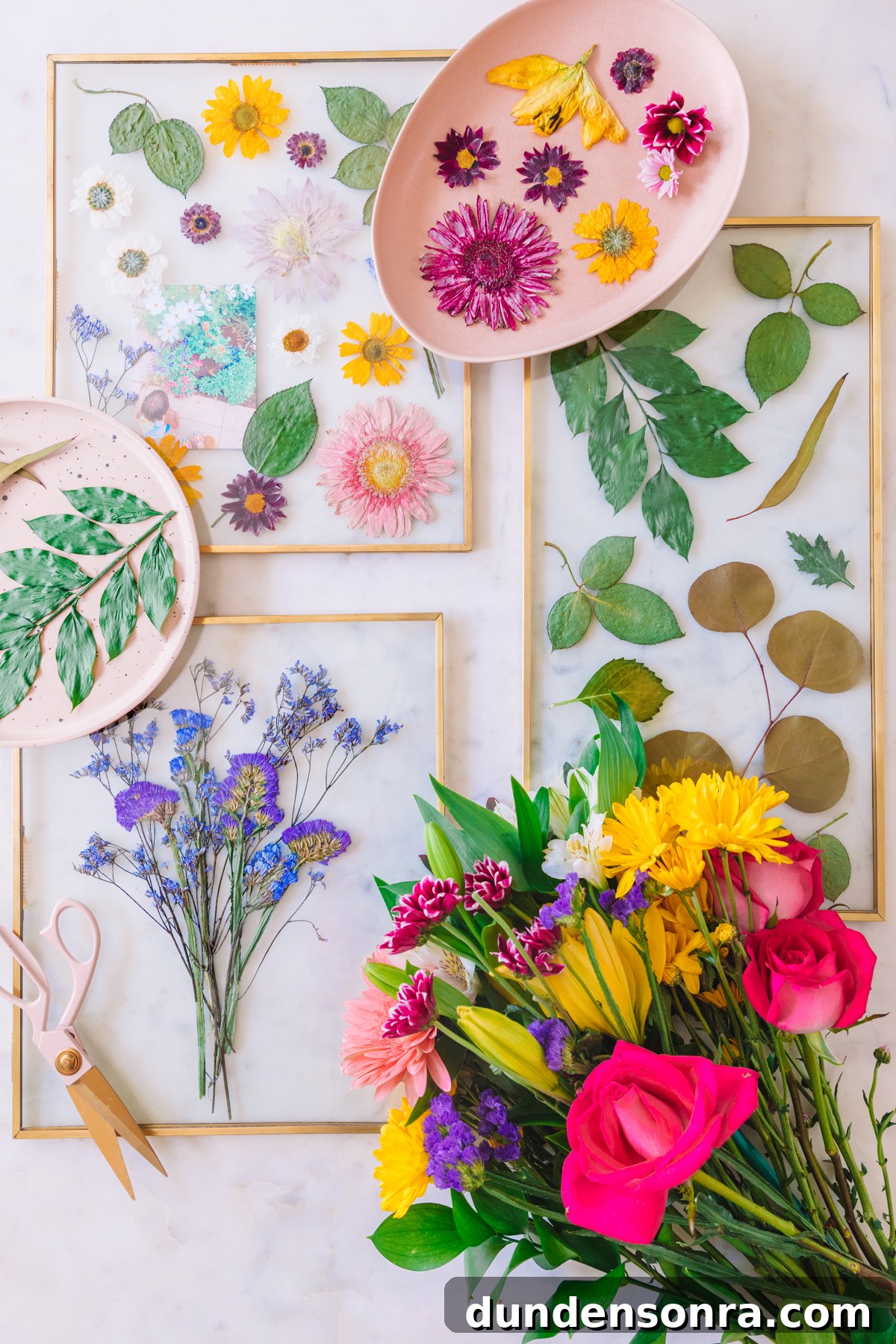
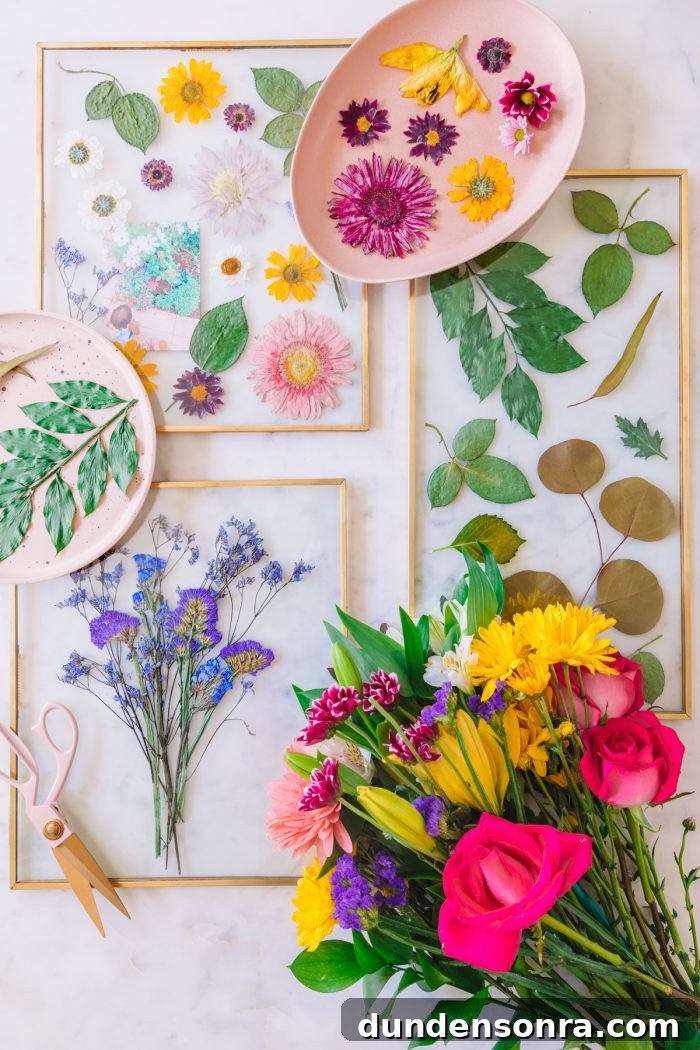
Have you ever tried pressing flowers? It’s a lovely way to preserve blooms from a special event so you can enjoy the memory long after the bouquet has faded. In this guide I’ll show you how to press flowers quickly in the microwave—often in under two minutes—then turn them into keepsake frames to gift or display at home.
Preserving memories is one of my favorite projects, and pressed flower frames make thoughtful presents for Mother’s Day, anniversaries, birthdays, or just because. They’re an elegant way to hold onto a moment and make a fresh bouquet last for years.
What flowers and greenery work best for pressing?
Different flowers respond differently to pressing—some keep their color, others shift tones, and some are easier to flatten than others. Naturally flat blooms like daisies, asters and chamomile press very well. Filler flowers such as statice also produce beautiful results even when left on the stem.
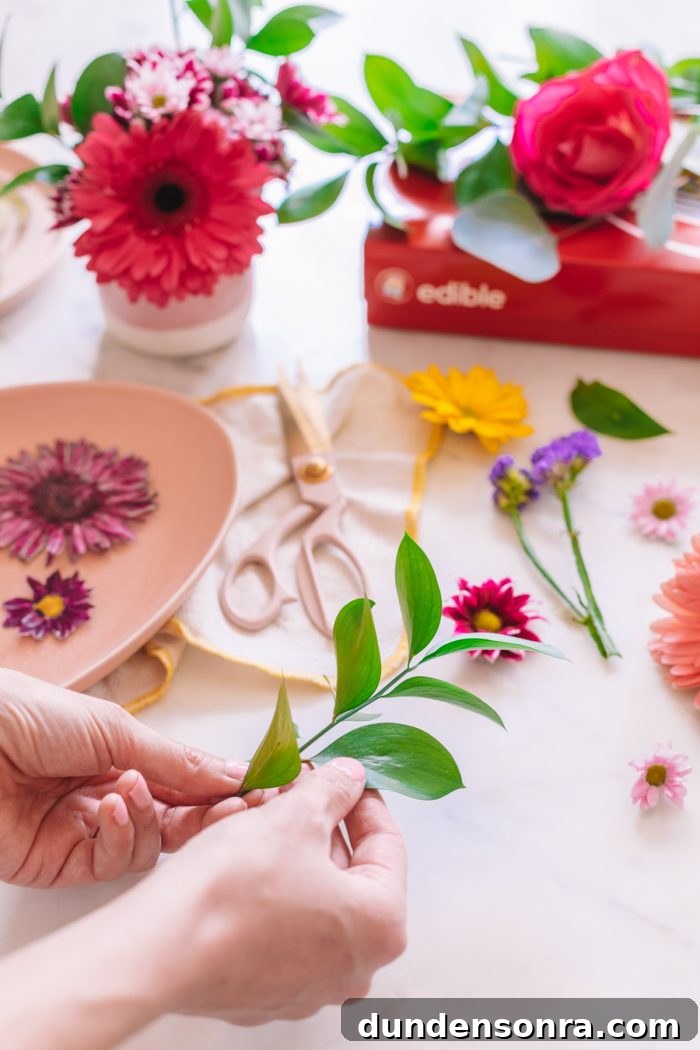
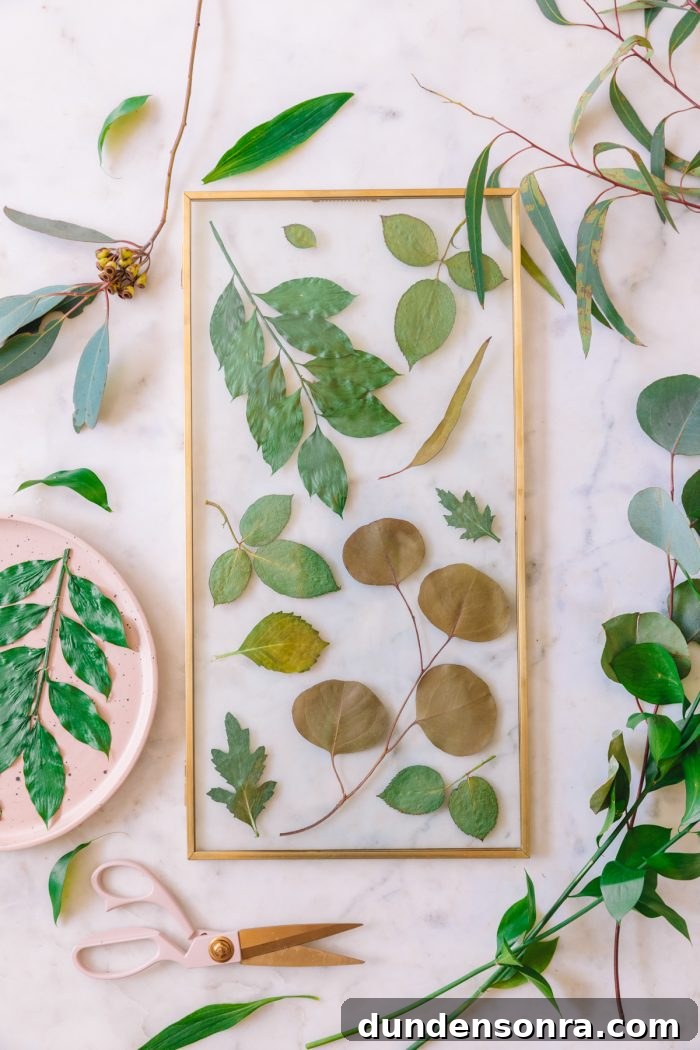
Color changes are common: yellow hues hold up well, bright pinks often shift toward purple, and pale pastels can fade. Among foliage, some leaves retain their color while others, like eucalyptus, deepen to an olive tone. Thick blooms such as roses are the most challenging to press; you can cut them in half or press individual petals for best results.
Part of the fun is experimenting—watch how each bloom alters in size, shape and color as it dries.
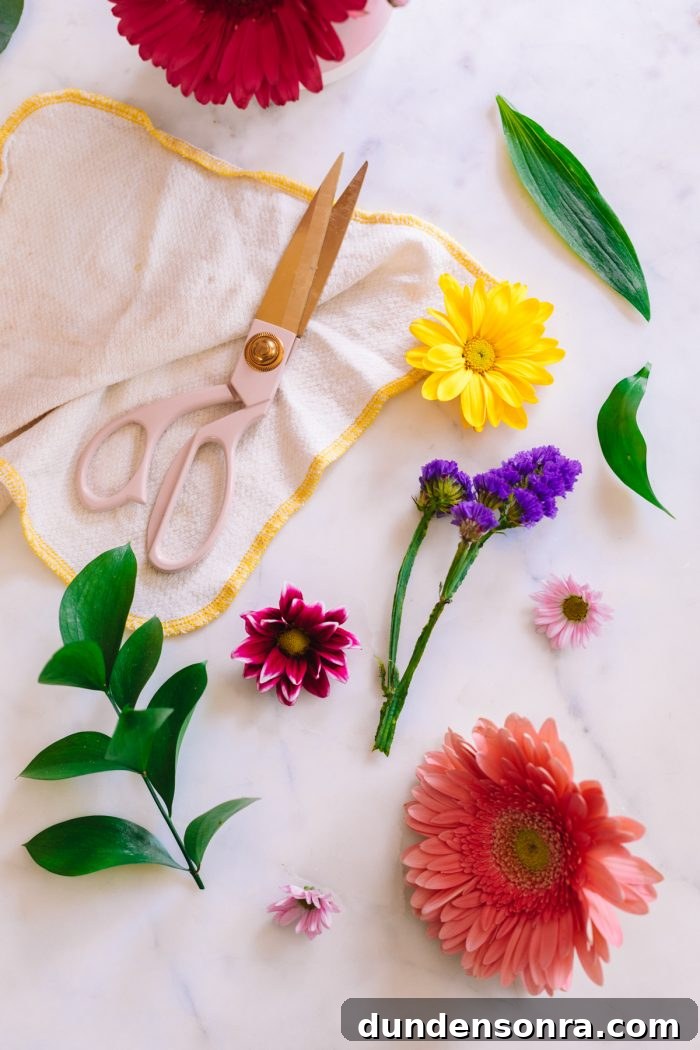
What You’ll Need to Press Flowers
Basic supplies for microwave flower pressing:
- Fresh flowers and/or greenery
- Paper towels or 100% cotton rags
- A heavy, microwave-safe dish or container to act as a weight
- A microwave
How To Press Flowers in the Microwave
Follow these simple steps to press flowers in minutes using a microwave.
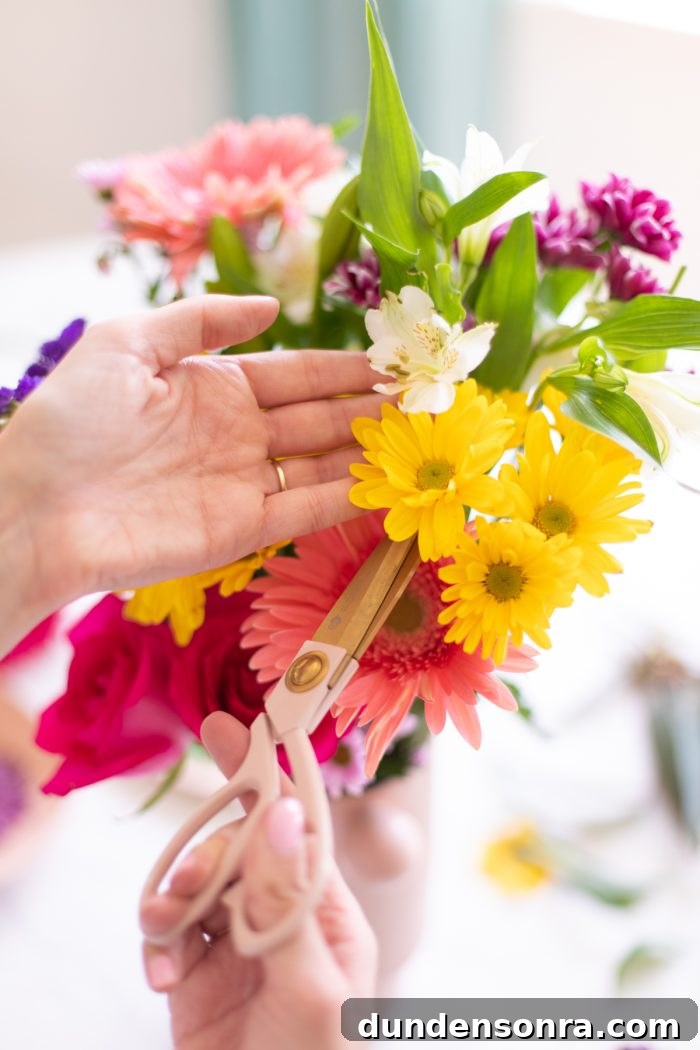
1. Cut blooms and leaves to the size you want. You can leave stems on or remove them—just trim so everything fits comfortably in the microwave. For leaves, you may press them whole or remove individual leaves.
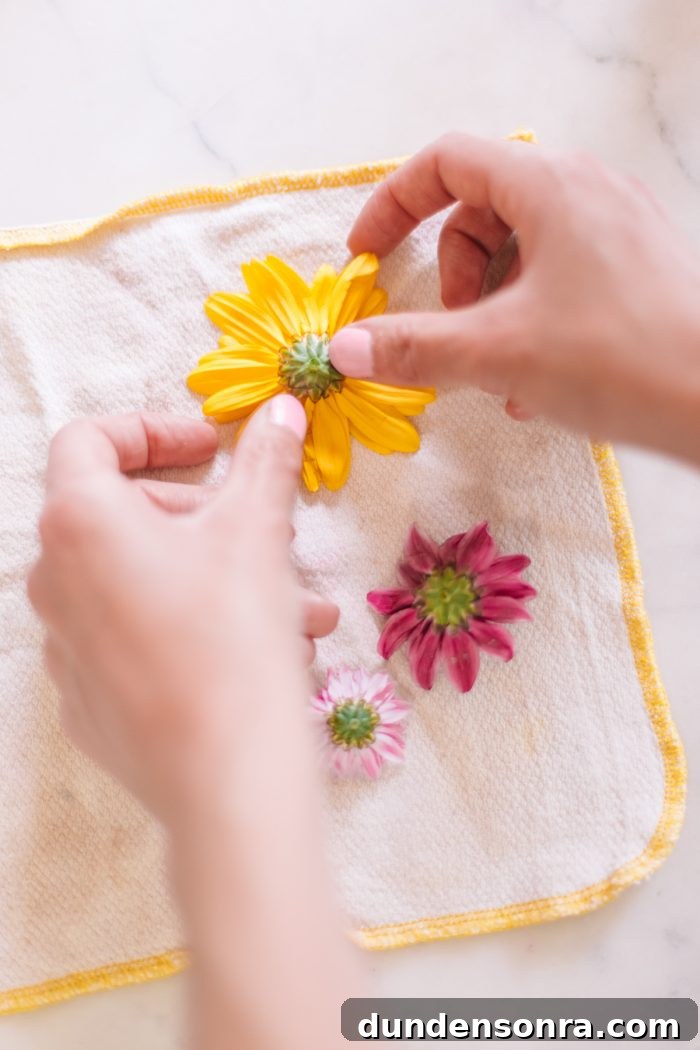
2. Lay the blooms flat on a paper towel or on one side of a cotton rag. Position petals exactly as you want them to dry—smoothing and flattening will give the best pressed shape.
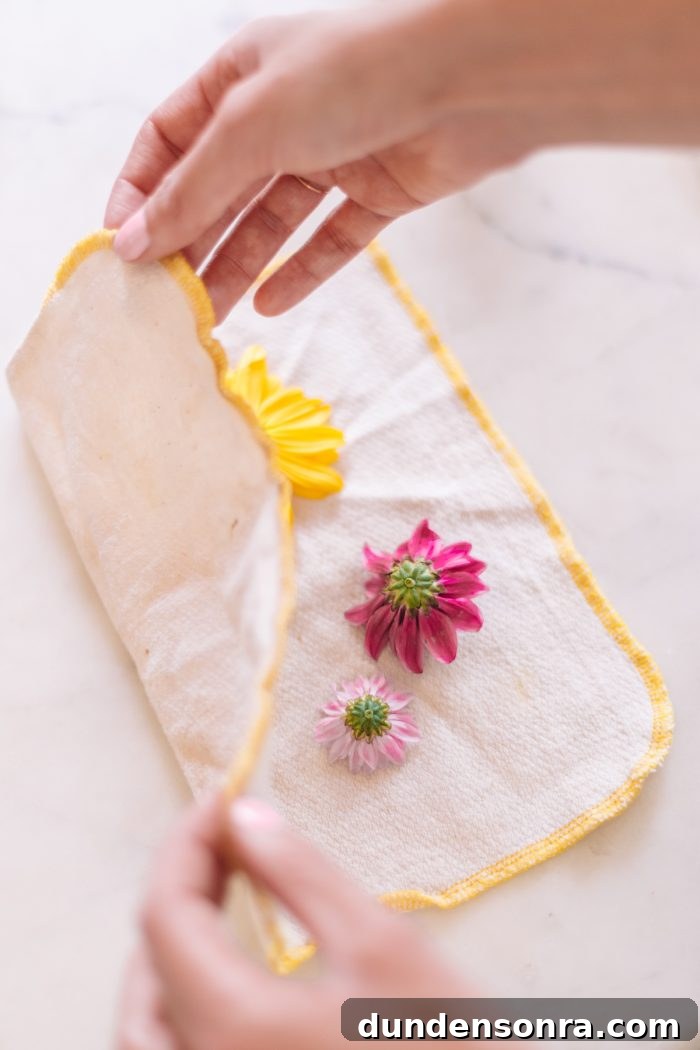
3. Cover the flowers with another paper towel or fold the rag over them to sandwich the blooms.
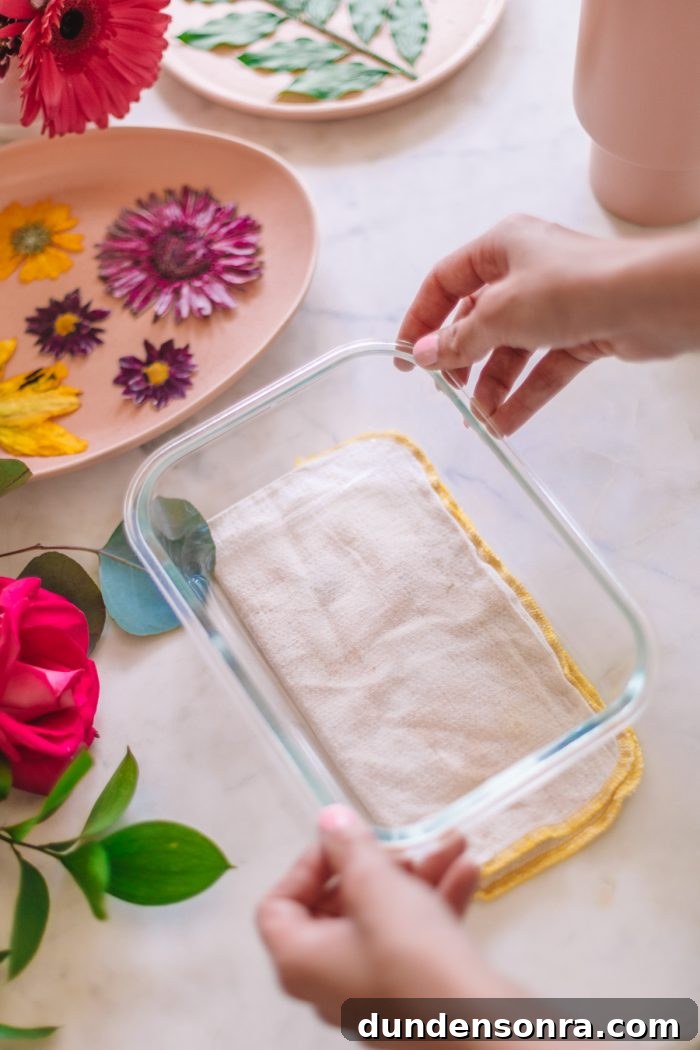
4. Place the sandwich in the microwave and set a heavy, microwave-safe dish on top to provide gentle pressure. For thicker flowers you don’t need to press the weight down firmly—just resting it on top is usually enough.
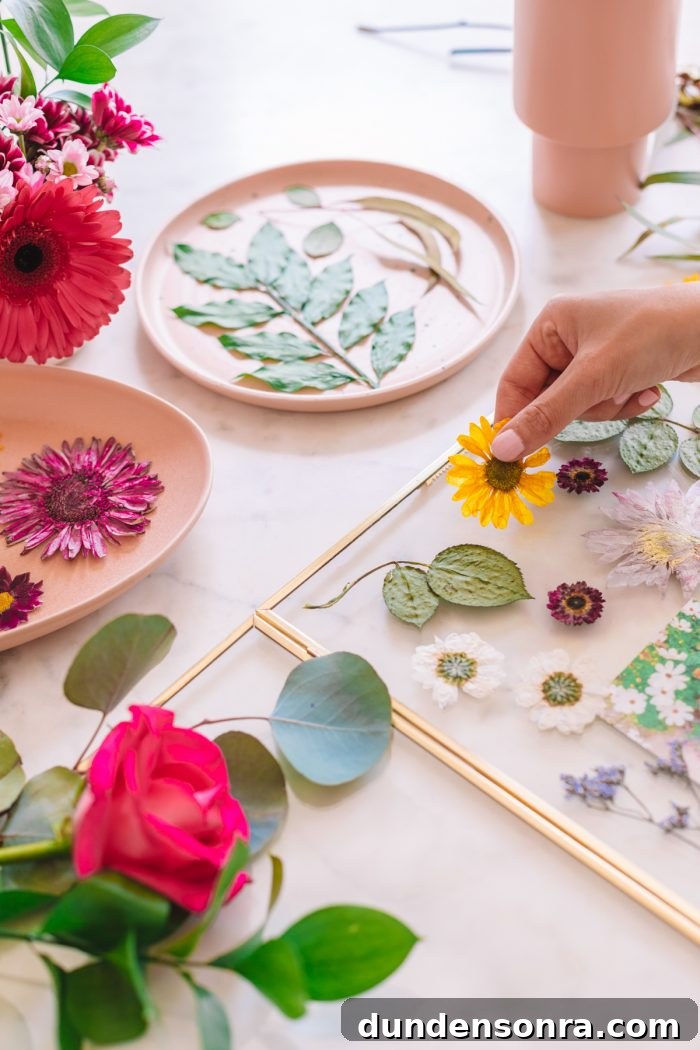
5. Microwave on half power for 90 seconds, then check the flowers. They should feel dry and papery. If they still retain moisture, continue drying in 30-second intervals, checking each time. After removing them from the microwave let them cool completely—colors and stiffness will settle as they finish drying.
How To Make A Flower Memory Frame
After pressing, you can create a framed keepsake. A floating frame works particularly well because it showcases the pressed pieces against a clear background. Depending on the frame and the thickness of the flowers, a small adhesive dot can help hold elements in place.
Once you have a frame, decide how you want to compose the arrangement. Here are three styling ideas:
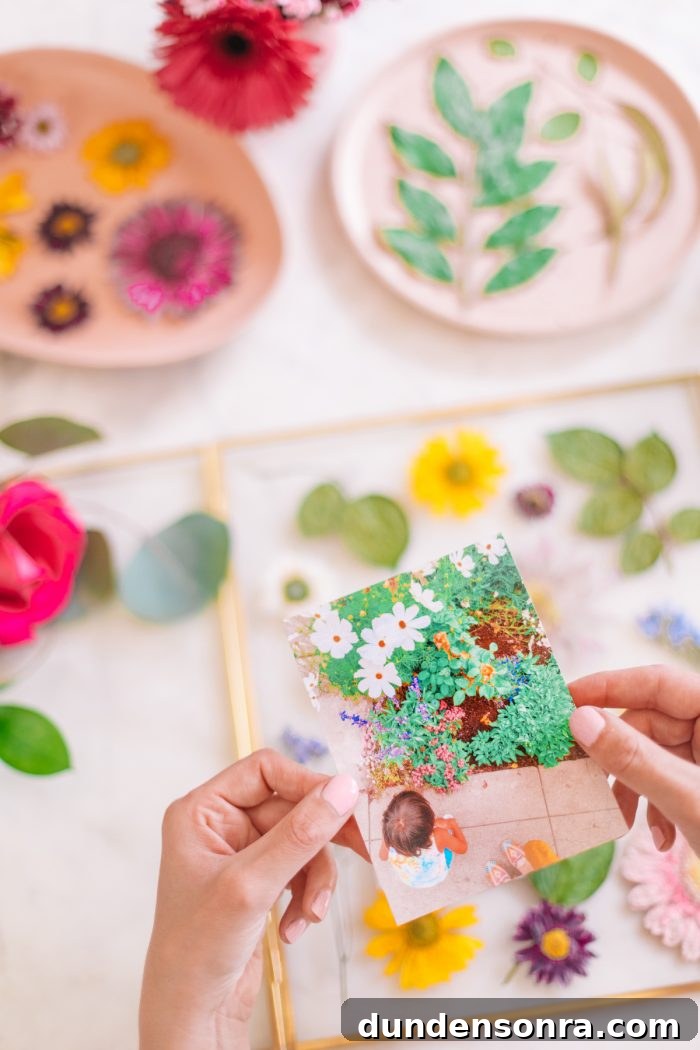
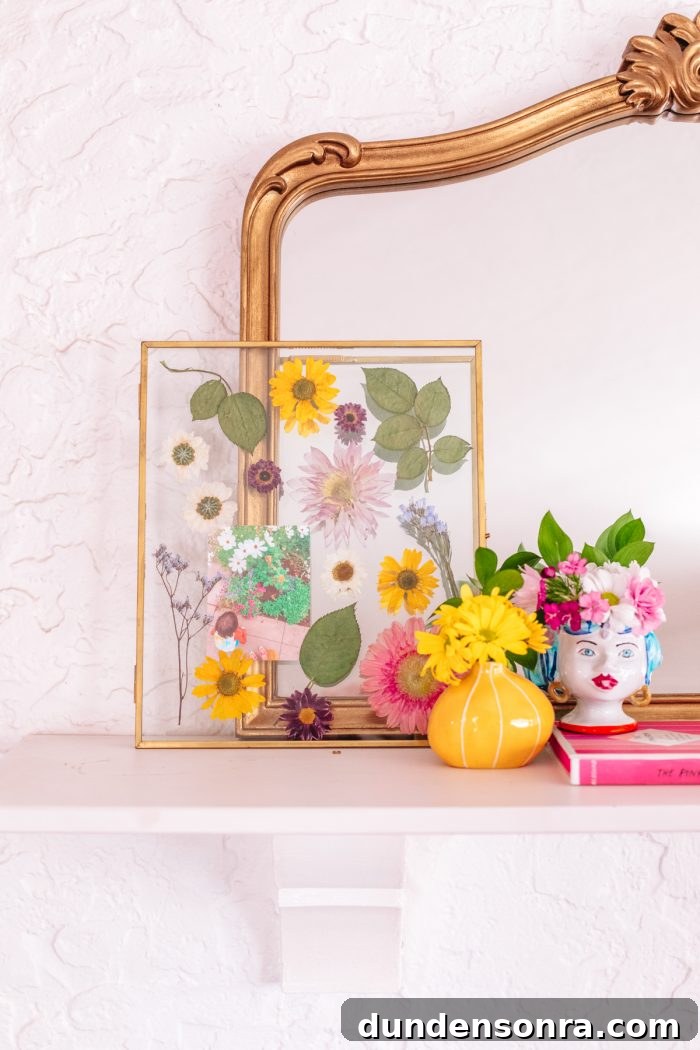
1. Alongside a photo or card: Create a mini-collage with a photo, invitation or card paired with pressed blooms. Place the photo centrally or off to one side and let a few flowers overlap the edge to connect the elements visually.
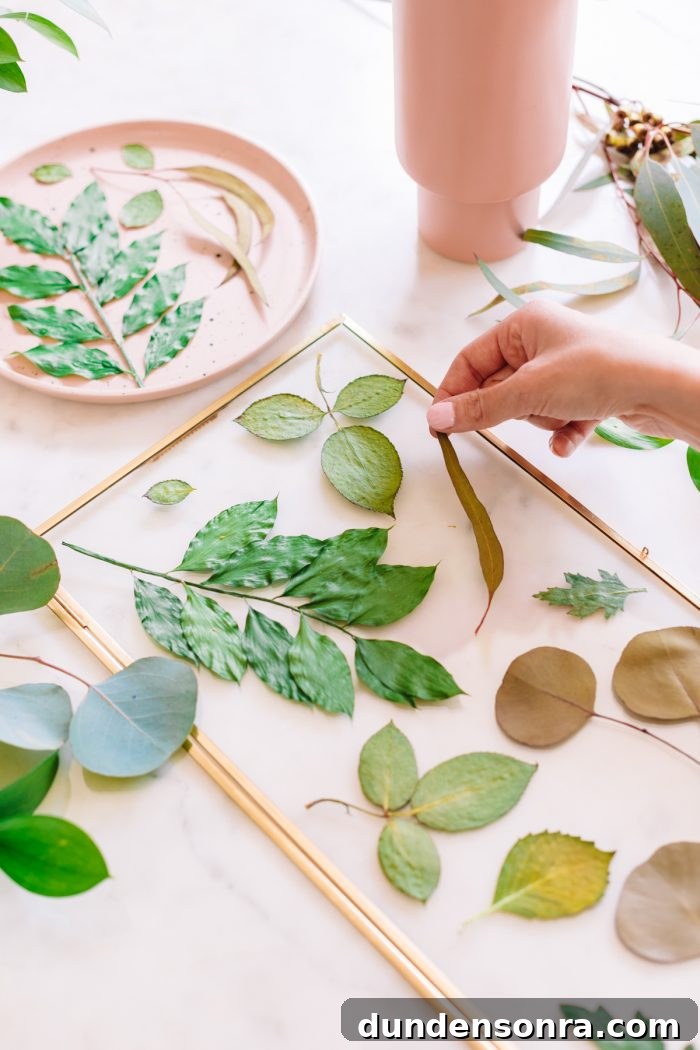
2. Focus on greenery: For a neutral, botanical look, arrange a variety of leaves with different shapes and tones. This creates a subtle, natural piece that works with many decor styles.
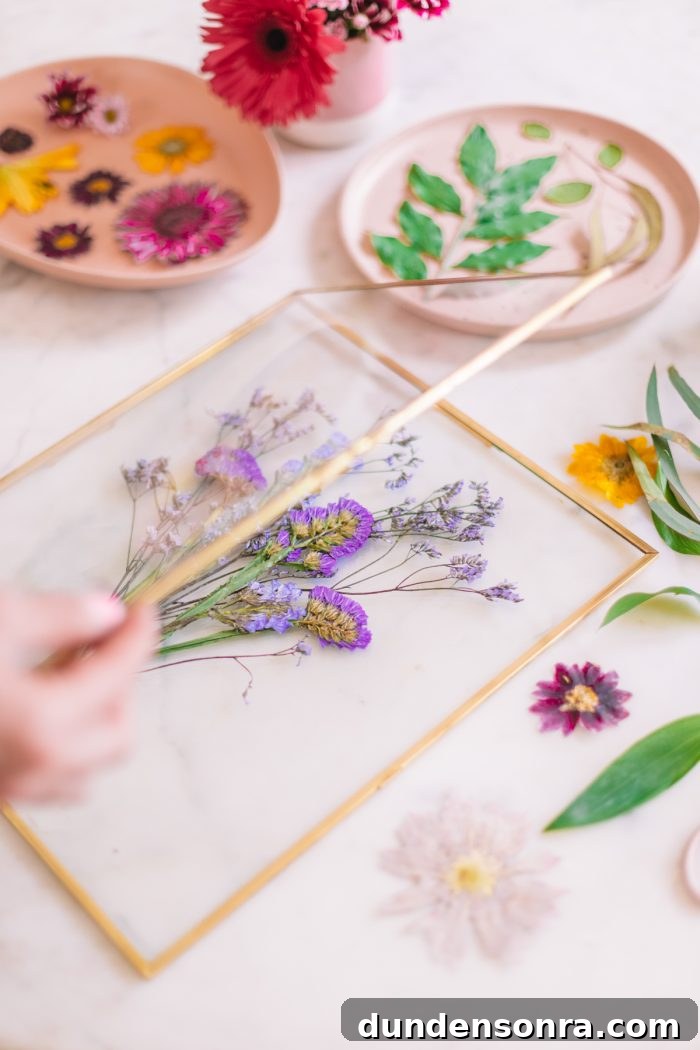
3. Create a bouquet composition: Keep stems intact and arrange the pressed pieces like a dried bouquet. Gather stems at the bottom and fan blooms upward to mimic a natural bouquet shape inside the frame.
How To Gift & Display Pressed Flower Art
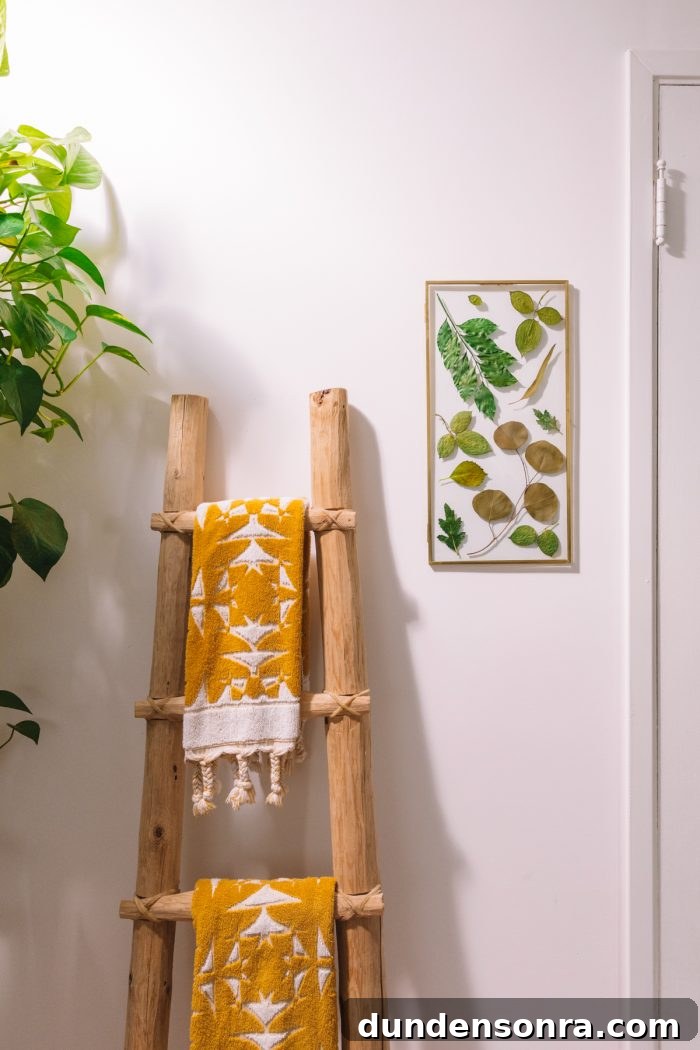
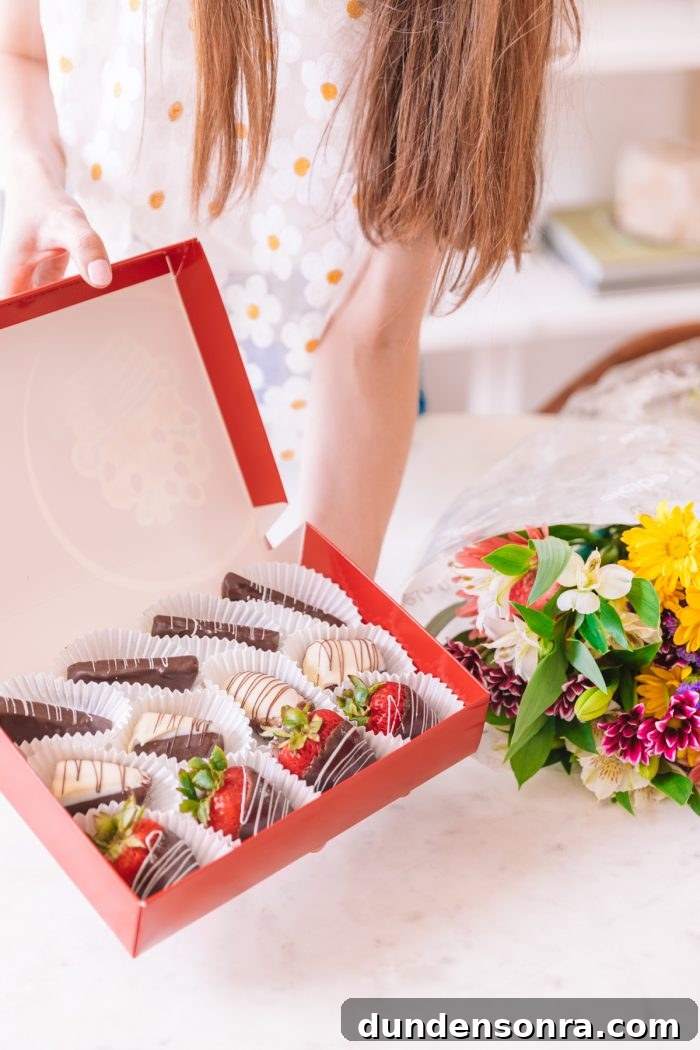
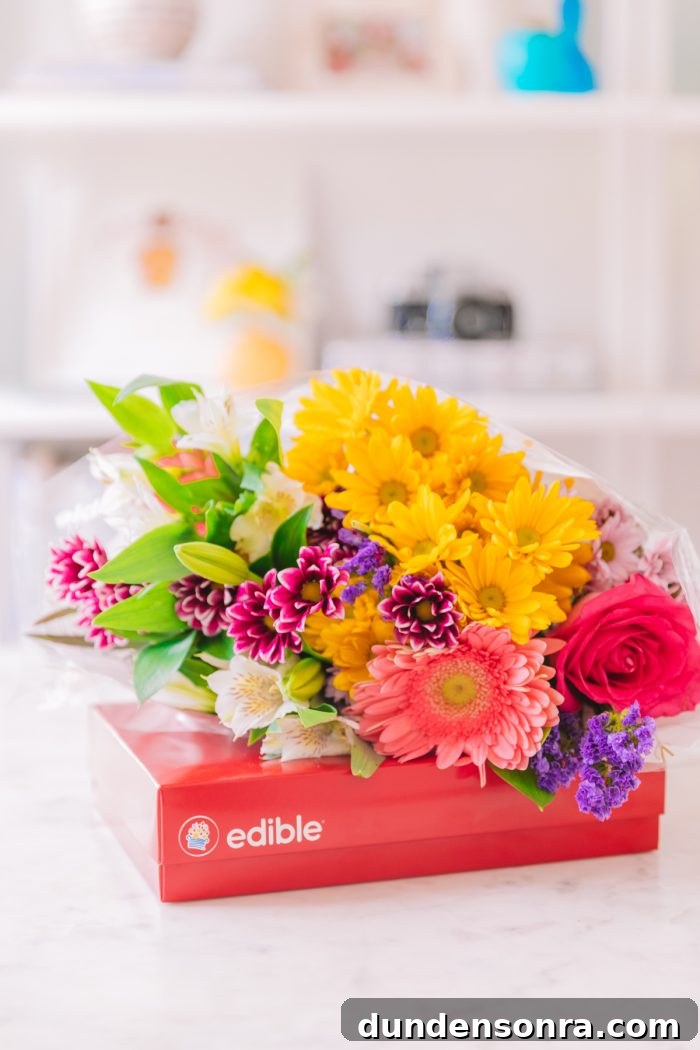
Display your finished pieces like any other artwork. They look lovely on a gallery wall, hung individually, or leaned on a shelf, mantle or dresser. A pressed flower frame also makes a meaningful gift—pair a bouquet with a frame so the recipient can preserve the flowers as a lasting keepsake.
Photos by Jeff Mindell