
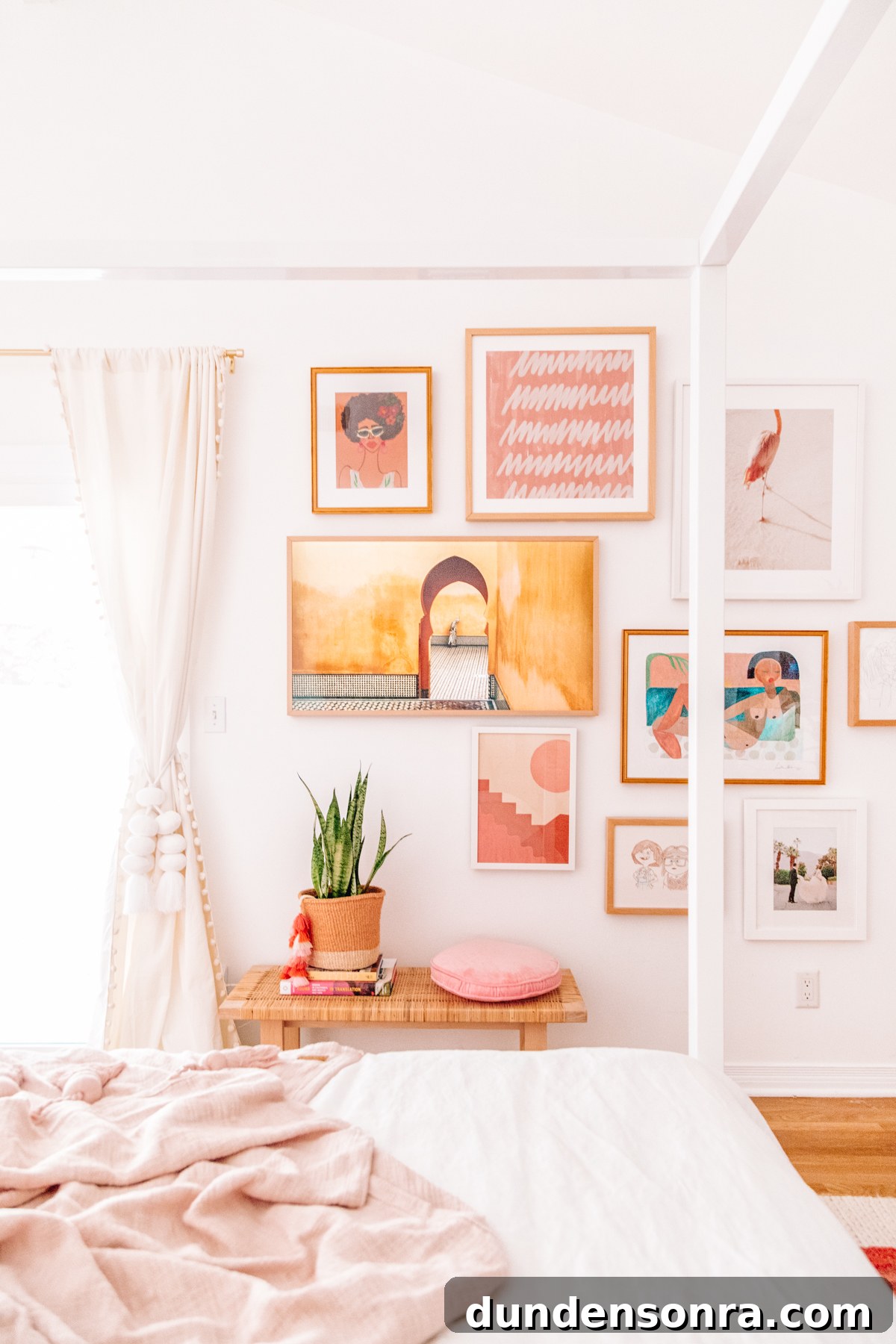
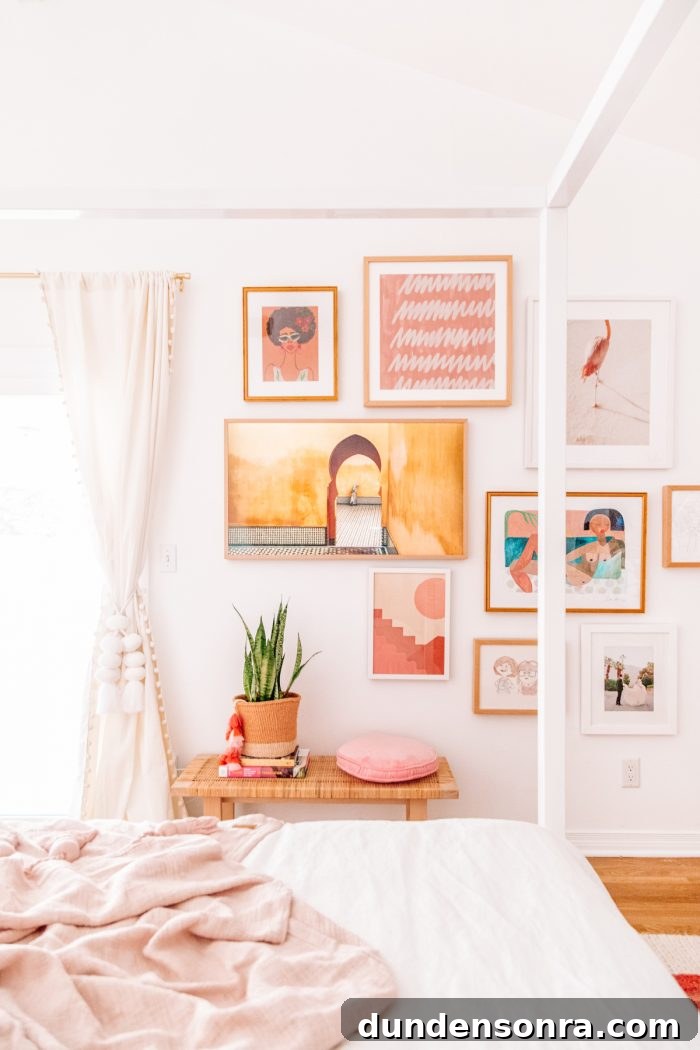
Let’s talk about framing art — specifically, how to frame artwork on any budget. Whether you have a stack of prints, photos, or original pieces waiting for the perfect frame or you’re hesitating because of cost, there are practical solutions for every price point.
I’m a self-proclaimed art collector and have tried everything from inexpensive store-bought frames to fully custom framing. Both approaches have merits. The right choice depends on your budget, the piece’s size, and your desired look — formal or relaxed, with or without a mat. Below I cover options from under $10 up to custom framing, plus a few free or nearly free hacks.
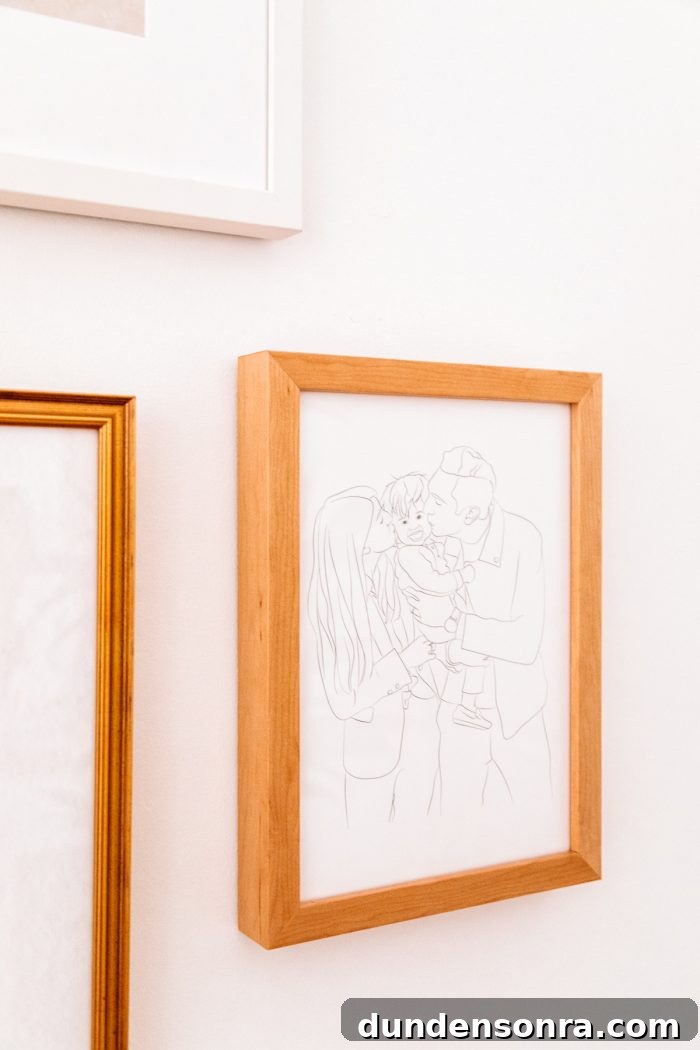
Overview: The Main Ways to Frame a Piece
Here are the primary approaches to framing two-dimensional artwork, prints, or photographs:
- Buy a frame that already includes a mat sized to your artwork. Insert the piece into the back and you’re done.
- Buy a frame that matches your artwork’s exact dimensions and frame without a mat. This “full bleed” look is clean and simple; discard any included mat if it doesn’t fit.
- Buy a larger frame and create a custom mat to fit both the frame and your artwork. This lets you use a standard or more affordable frame while achieving a tailored look.
- Opt for fully custom framing. This gives you a perfect fit and professional preservation, ideal for valuable or sentimental pieces but it’s the most expensive route.
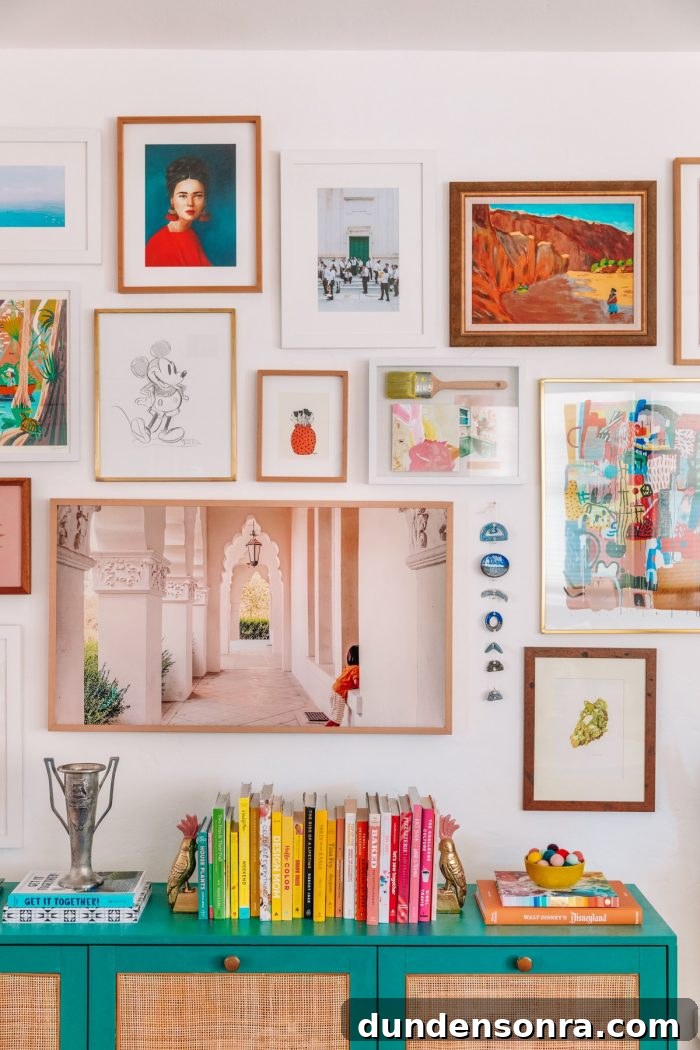
Your budget and the piece’s dimensions will guide the best option. If you’re building a gallery wall, decide whether you want a consistent framed look (matching mats or frames) or a mixed, eclectic arrangement.
Sizing Tips
Always check all dimensions before buying a frame. Three measurements matter:
- Artwork size: The maximum piece size the frame will hold without a mat.
- Mat opening size: If the frame includes a mat, this is the artwork size the mat accommodates.
- Frame size: The outer perimeter of the frame. Wider frame profiles increase overall dimensions and affect hanging placement.
Many frames are listed by the size of the art they’re intended for rather than the frame’s outside dimensions, so confirm measurements. For nonstandard pieces, look for a frame whose outer size suits the mat you plan to add so the mat proportions (top/bottom vs. sides) look balanced. Some frames come with oversized mats, meaning a small intended photo may be placed in a much larger frame.

Favorite Store-Bought Frame Sources
Store-bought frames are often the most budget-friendly place to start. If you can find a frame that fits exactly, you’ll save a lot. Here are reliable sources, roughly from most to least budget-friendly:
IKEA: Affordable and simple frames; watch proportions and materials (many use plastic glazing instead of glass). They’re great for straightforward, economical framing.
Target: Stylish, affordable frames in many finishes. Good balance of design and price.
Michaels: Wide selection and frequent sales. Quality varies; narrow solid frames often look more elevated. White tones can vary, so compare in person if mixing whites.
West Elm: Higher-end store-bought option with attractive wood and metal frames, pricier but well-made.
Crate & Barrel / CB2: Sleek, minimal metal frames in refined finishes for a modern gallery look.
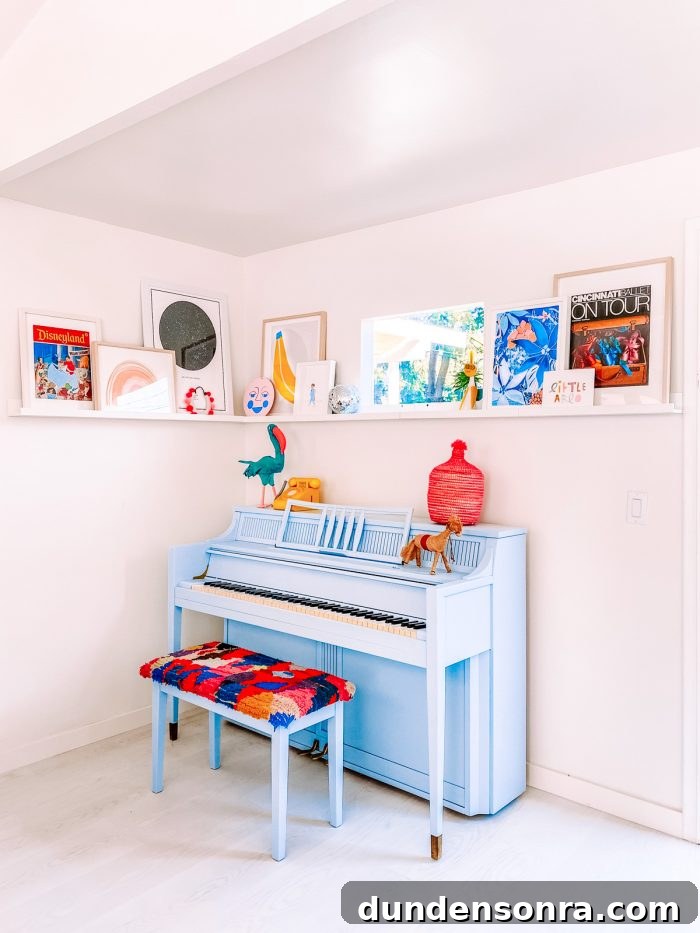
Where to Find Cheap, Unique, or Free Frames
Try secondhand and community sources for budget-friendly or one-of-a-kind frames:
- Facebook Marketplace: Search “frame” or “vintage frame” for great finds, often inexpensive or free.
- Buy Nothing groups: Local community groups offer items for free — great for bulk frame sourcing.
- Etsy and eBay: Good for vintage frames or lots of frames for gallery walls.
- Thrift stores and flea markets: Frequent visits often yield surprising gems without shipping costs.
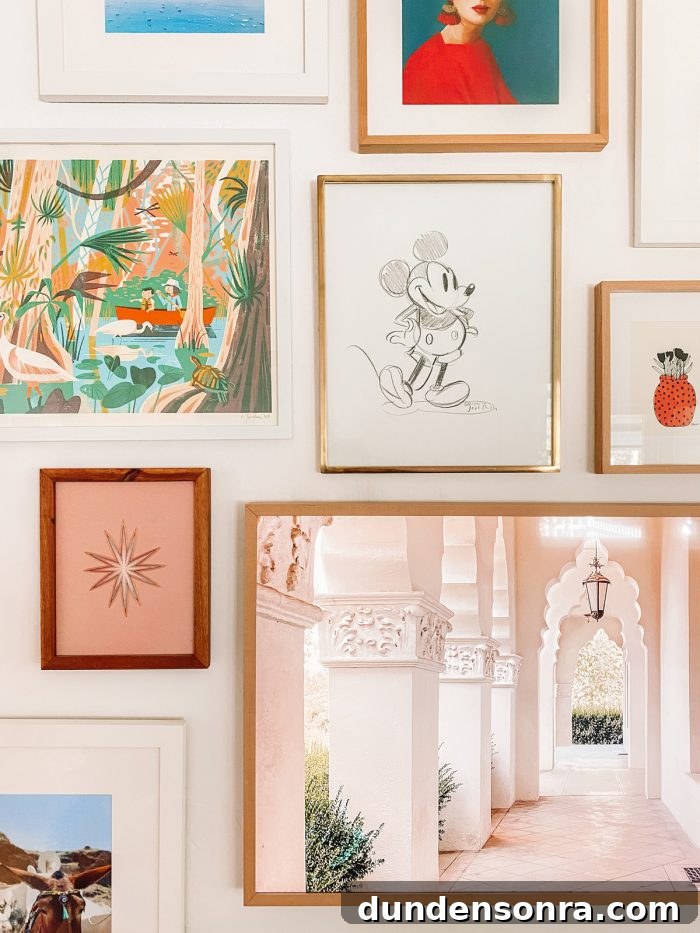
Affordable Large-Scale Frame Hack
Large frames are expensive. A clever hack is to buy a pre-framed large-scale artwork and swap the art for your piece. I replaced a Target pre-framed print with my own work and saved hundreds compared to buying the same-sized frame separately. Stores like Target, Marshalls, and HomeGoods are good places to look.
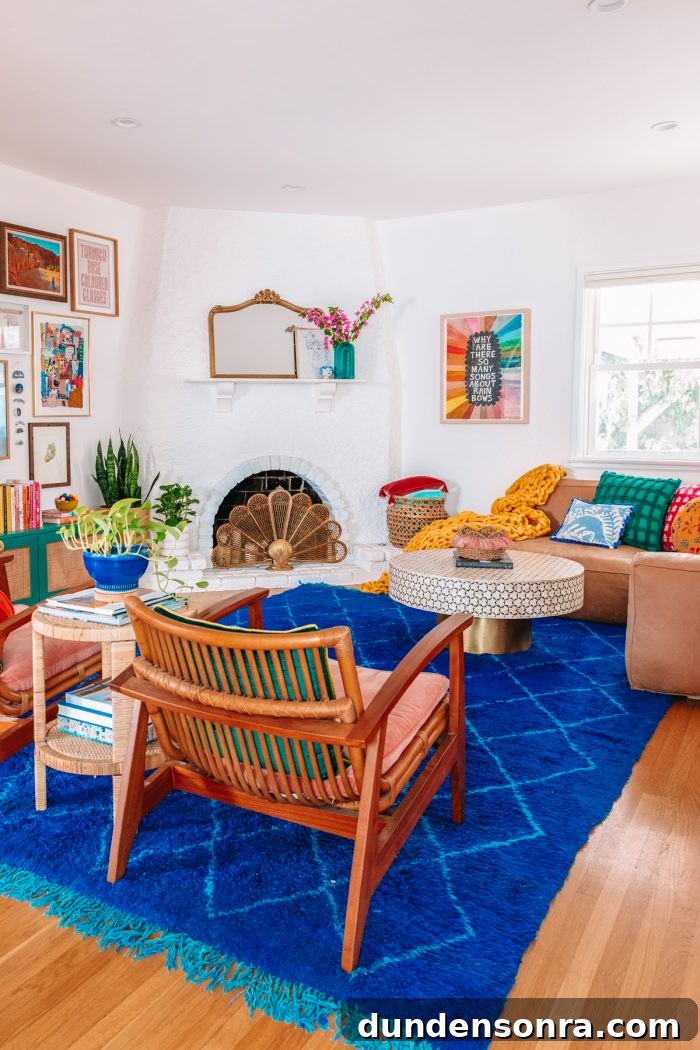
Floating Frames
If you don’t want a mat, consider floating frames. These hold the artwork between two panes of glass or acrylic so the piece appears to “float.” They work well for odd sizes, photo strips, or grouping small items.
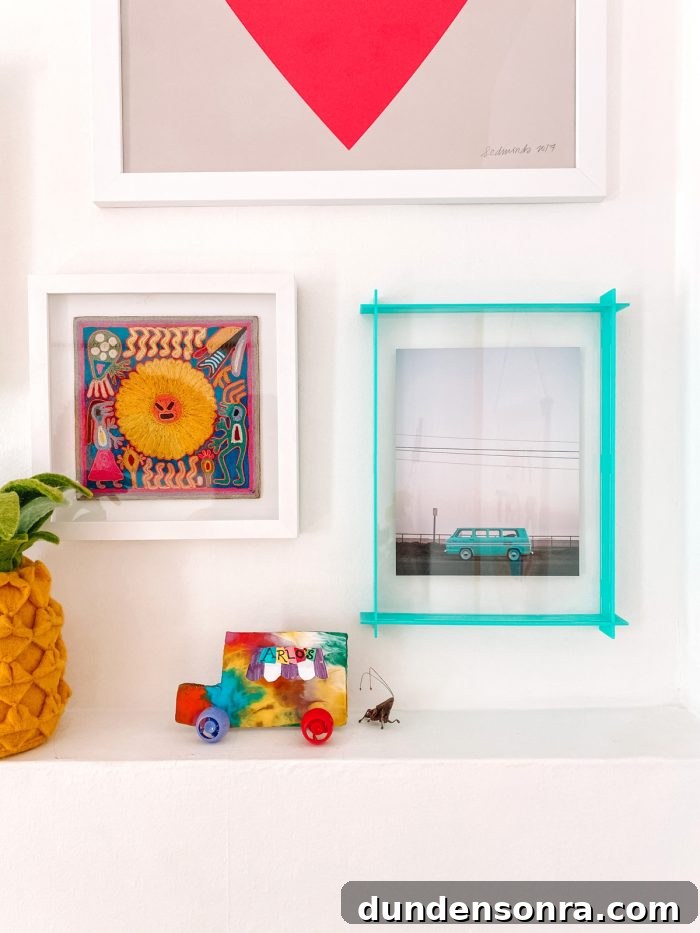
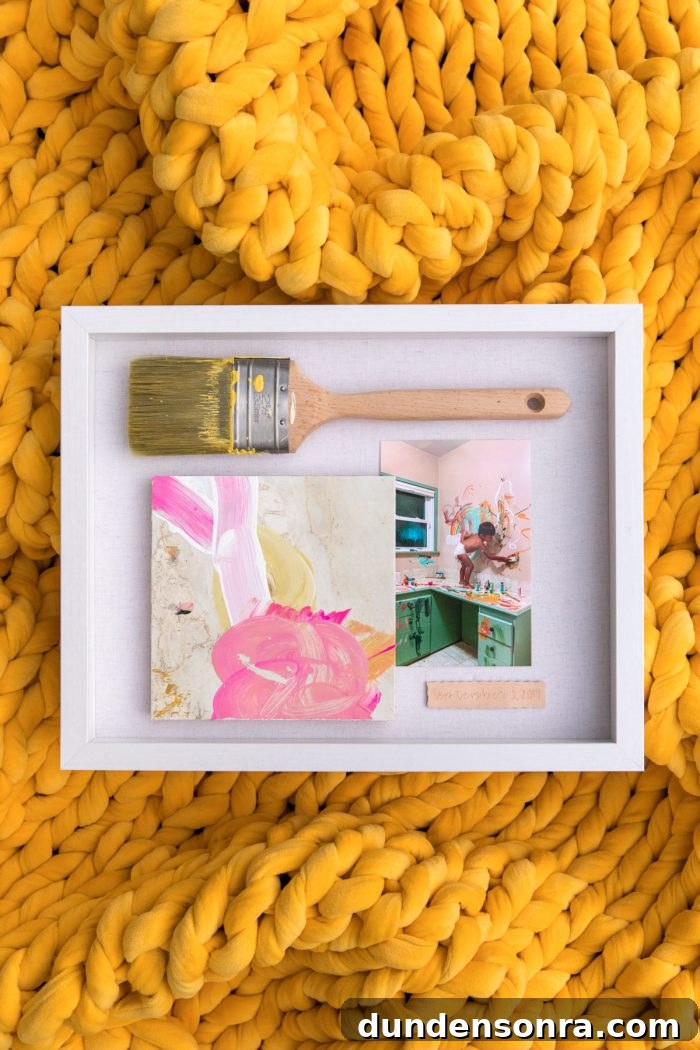
Shadow Boxes
For three-dimensional mementos, shadow boxes are ideal. They provide depth and allow items to be pinned or mounted against a backing, perfect for keepsakes paired with a photograph.
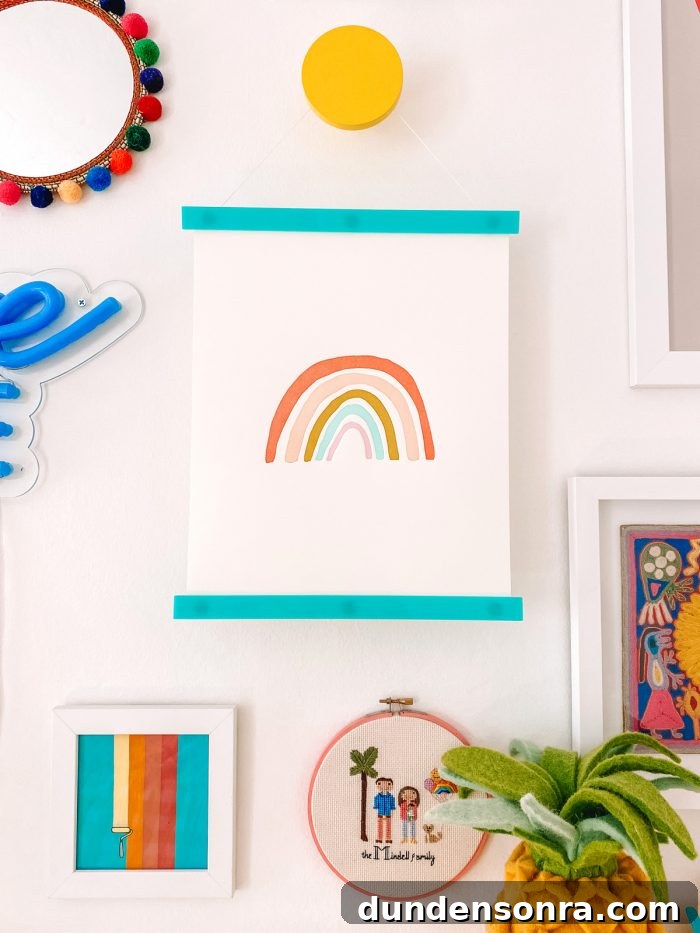
Poster Hangers as an Alternative
Poster hangers are magnetized strips that clamp the top and bottom of a print and hang by a cord. They’re inexpensive, allow easy swaps, and are forgiving with sizing. Available in wood, acrylic, and metal finishes, they’re especially good for large prints on a budget.
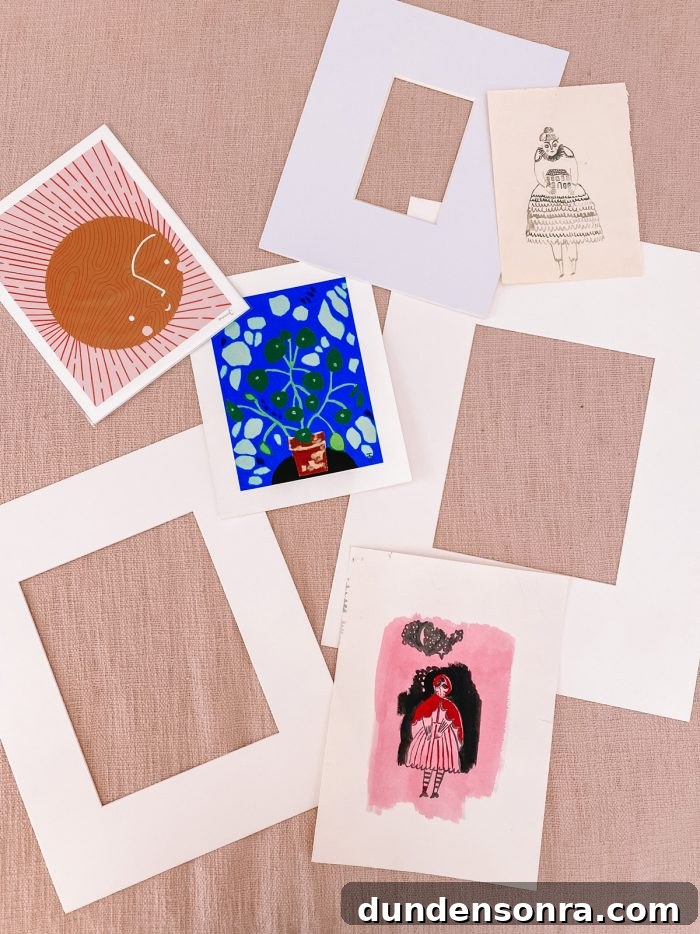
Custom Mats
Custom mats are a cost-effective middle ground between pre-cut mats and full custom framing. They let you use any larger frame and tailor the mat opening to your artwork. Two common routes:
Michaels: Their framing department cuts custom mats. Bring your artwork and the frame’s insert to match outer dimensions and white tones. Mat prices often run $8–$20 for small to medium pieces.
Independent frame shops: Local framers will also cut custom mats; supporting them is often worth a slight price difference and gives you in-person guidance.
Mat Cutters
If you frame frequently, consider a mat cutter and sheets of mat board to make your own. For occasional framing, custom mats or store services are more practical.
Recommended Mat Widths and Assembly
Allow at least two inches of mat on all sides as a starting point. The mat opening should be slightly smaller (about 3/8″–1/4″) than the artwork so the piece can be secured behind the mat. To assemble, tape the top edge of the art to the back of the mat, place the mat into the frame, replace the backing, and hang.
Cutting Down Prints
I generally don’t recommend trimming original art. If you must trim to fit a frame and the piece has border or white space, cut equal amounts from all sides to keep the composition centered. Use a paper cutter or an X-Acto and ruler for accuracy — never freehand with scissors.
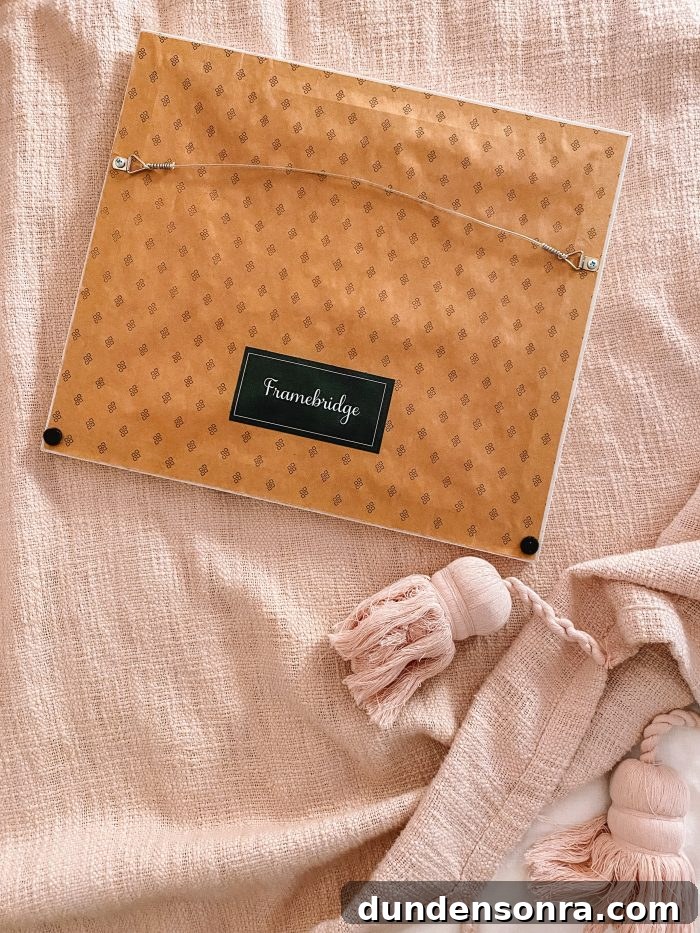
Custom Framing
Custom framing delivers a tailored fit and conservation benefits: museum-quality acrylic, professional backing, and precise mounting. Downsides include higher cost, permanence of some mounts, and potential need to mail artwork if ordering online. For irreplaceable or valuable pieces, custom framing is often worth the investment.
Options include local framers and online services that offer mail-in or digital upload options with professional results.
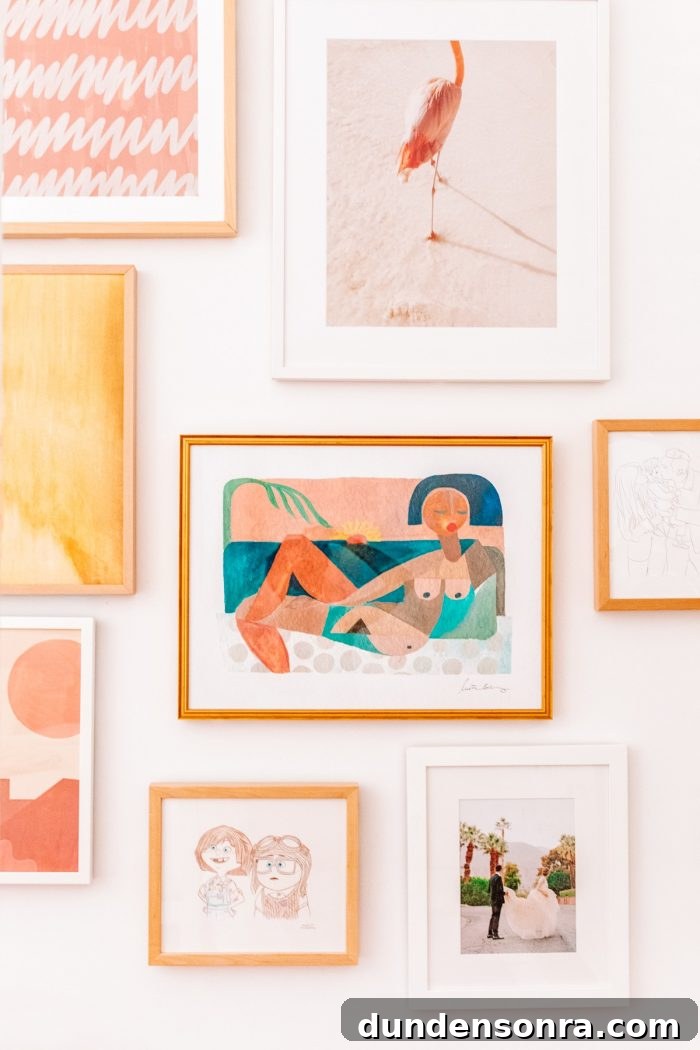
Framing Canvases
Canvas works differently but can be framed. Some services offer canvas framing, and there are pre-made canvas floater frames available in common sizes to get the finished look affordably.
Which Option Is Best?
Ask yourself a few questions before deciding:
- What is my budget? On a tight budget, choose store-bought or thrifted frames and add a custom mat if needed.
- Is the size standard or odd? Odd sizes may need custom mats or floating frames.
- How important is this piece? Sentimental or valuable art may deserve custom framing.
- Will I swap it later? If so, use an easily reusable store-bought frame.
- Are you aiming for formal or casual? Poster hangers and floating frames feel casual; mats feel more formal.
- Will it be in direct sunlight? Consider UV-protective glazing for important works.
- Is it part of a gallery wall? Decide whether you want uniformity or an eclectic mix.
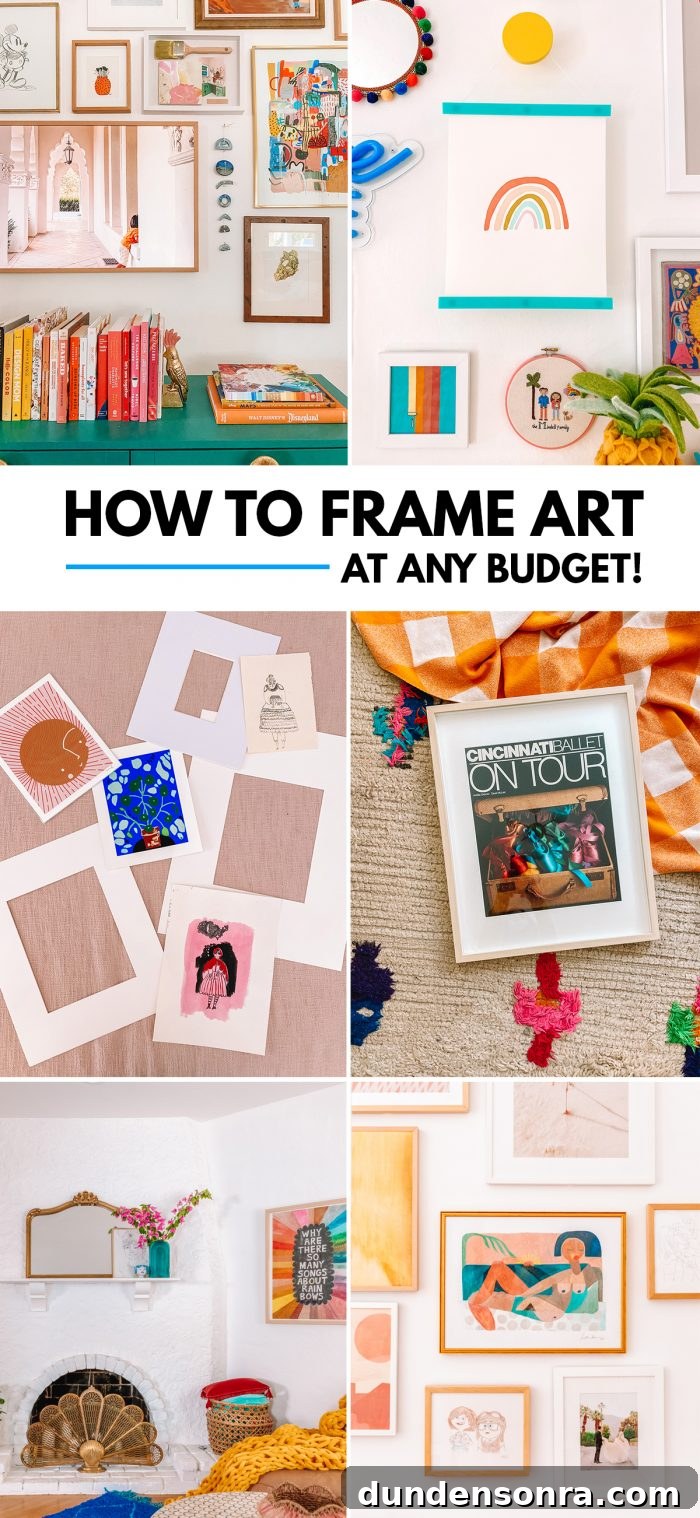
With these tips you should feel confident tackling that stack of unframed art. Framing personal photos and artwork transforms a house into a home and makes those pieces feel seen and cherished.