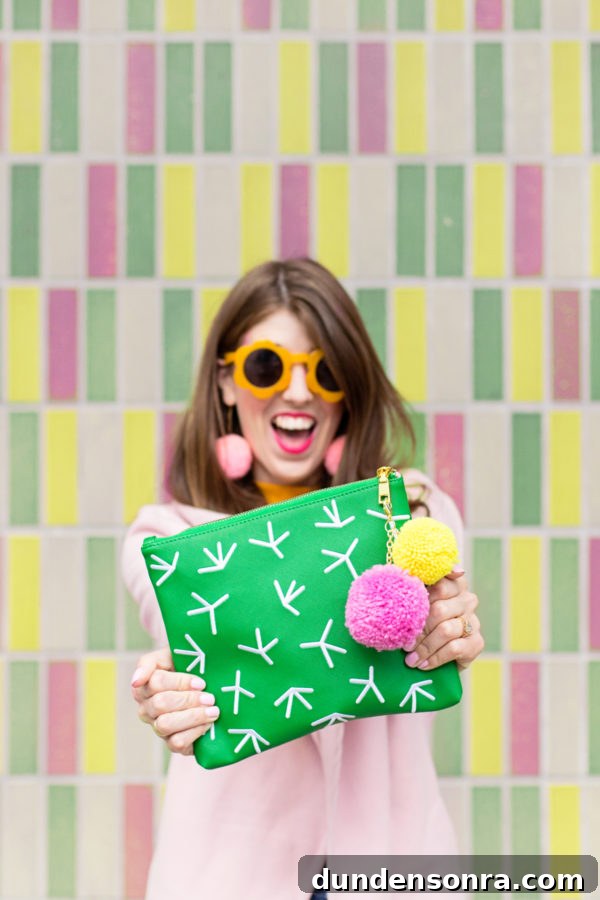
A few weeks ago I shared a behind-the-scenes look on the @shopstudiody Instagram account that showed our sampling process for clutches. The story got a great response, so we decided to start sharing more “making of” content—beginning with the cactus clutch you’ve been asking for.
After we launched Can’t Clutch This, so many of you requested a cactus design that we made it a priority. The cactus clutch went through many design iterations to get the look and durability right, which makes it an ideal example to show the full development process.
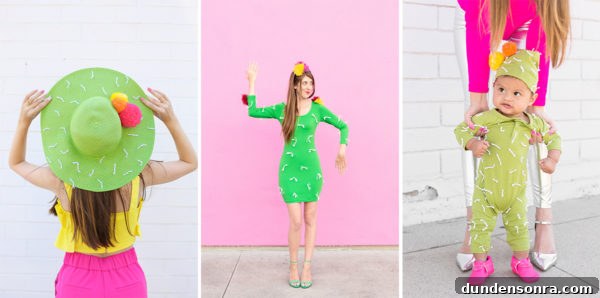
Every product begins with inspiration. Often we start with a blank slate and brainstorm trends, colors, and patterns, but for this clutch the theme was clear from the start: cactus. The key question became how to represent a cactus on a clutch. Would we use a repeating pattern, like our taco clutch? We decided a pattern might look too busy because cacti are detailed and textured.
Looking back at previous cactus projects on the blog—the costume and floppy hat—I thought: what if the clutch actually looked like a cactus, complete with spikes and a little flower-like keychain? That idea guided the initial concept.
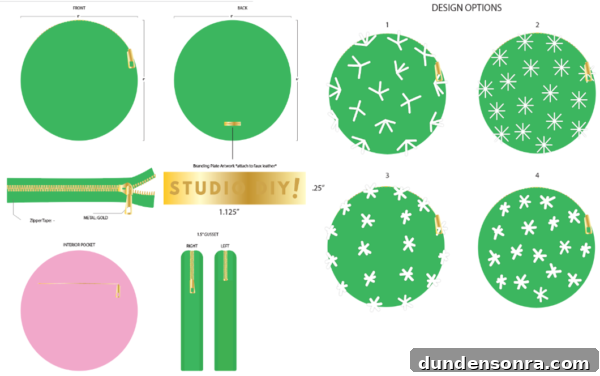
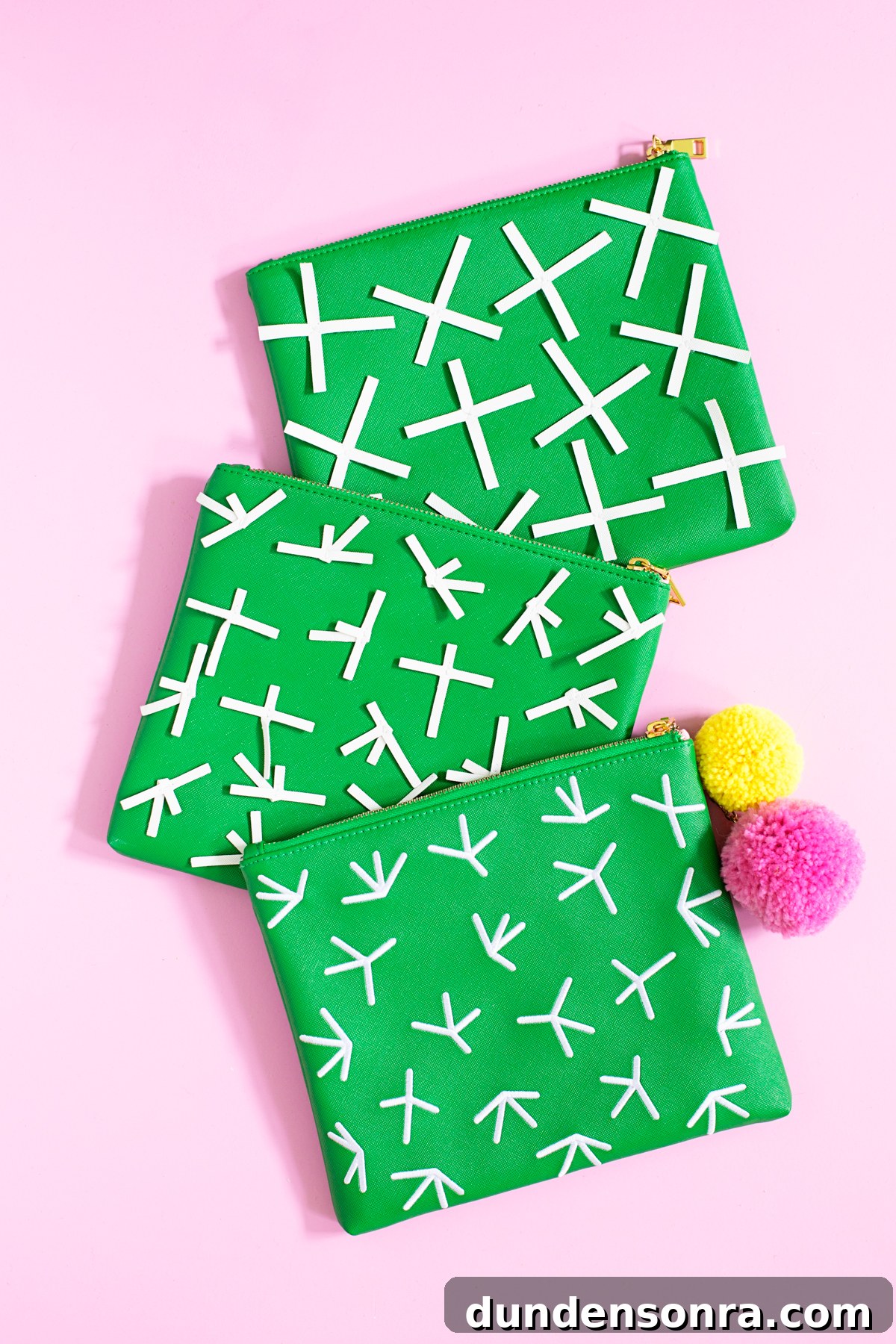
With a concept in hand, our design team asked for the “dream” clutch so they could create digital mock-ups and cost it against our budget. I described a green, round clutch with three-dimensional spikes and a pom-pom keychain, and I supplied Pantone color picks. For the spikes, yarn wouldn’t withstand everyday wear on a bag, so we suggested stitched small pieces of white leather instead.
The designer returned several mock-ups outlining size, zipper placement, nameplate location, and different spike layouts. We selected the option that felt most natural and organic rather than perfectly uniform.
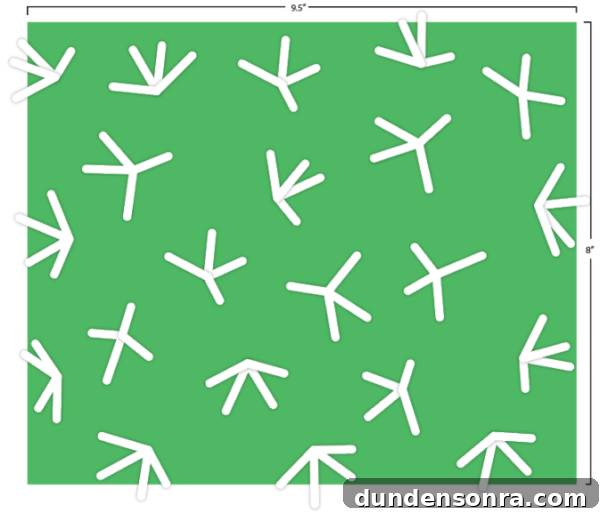
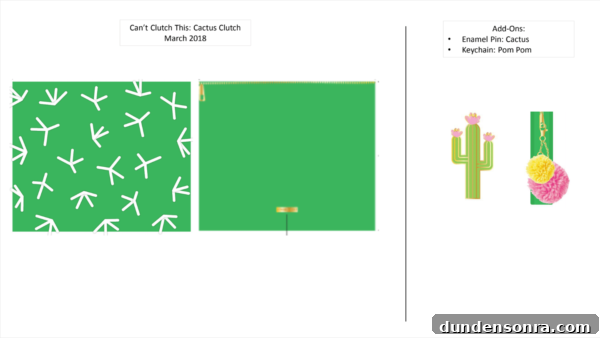
However, when our vendor priced the details needed for a true circle shape, they told us a circular clutch wasn’t feasible for the level of cactus detail we wanted. Because Can’t Clutch This is a subscription model with fixed pricing, we can’t change the cost per clutch, so we adapt designs to fit manufacturing constraints and budget. It’s like solving a creative puzzle.
We chose our most popular nearly square shape to maximize spike space and ordered a sample. The first sample showed how manufacturer limitations can lead to unexpected interpretations—this mock-up didn’t read like the cactus we envisioned.
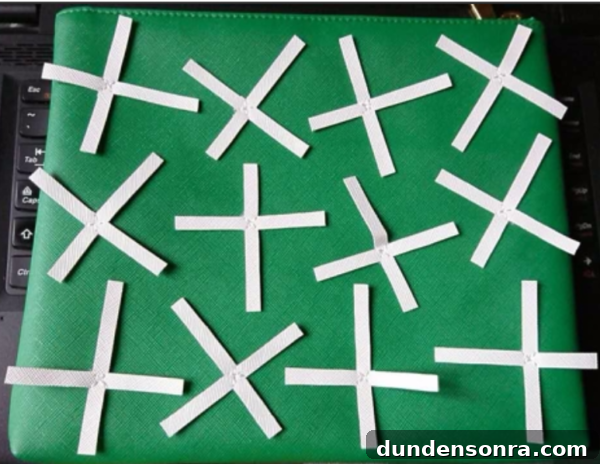
I tried a hands-on approach: using glue dots to adjust spike placement on a sample and making them smaller and less uniform so they read more like organic cactus spikes. We photographed the mock-up and sent it back to the manufacturer for another pass.
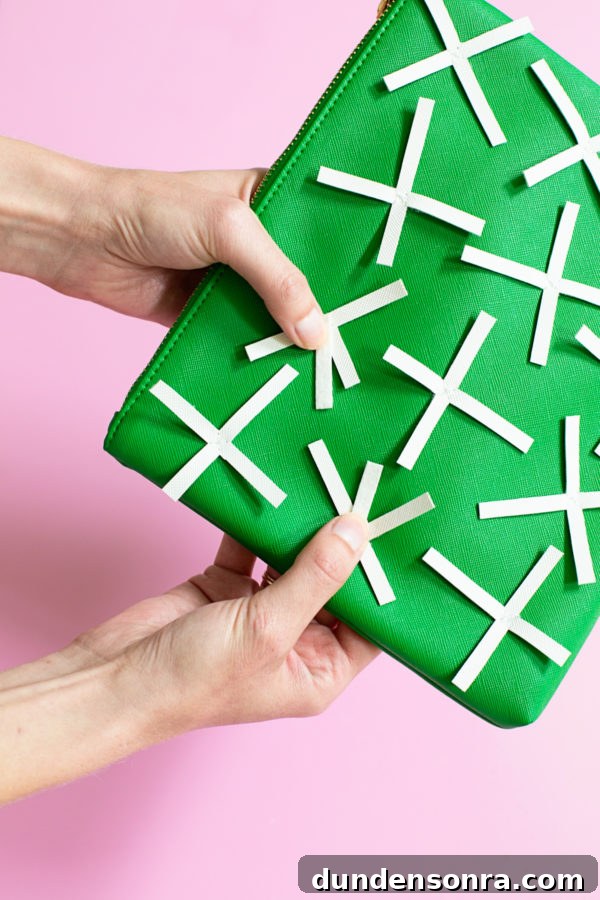
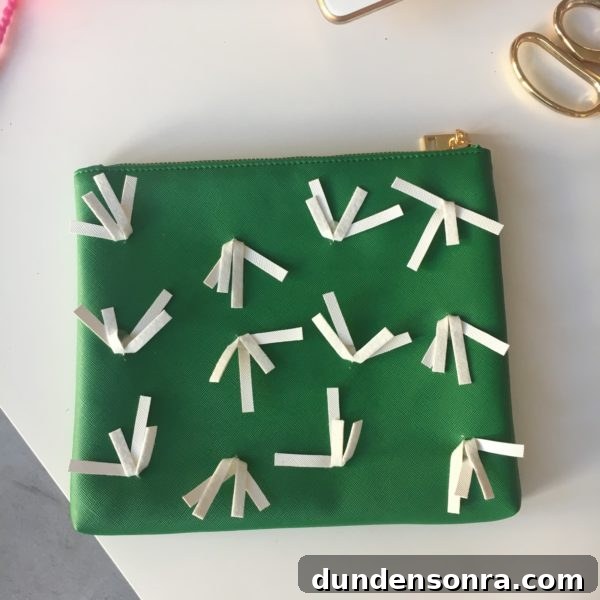
The next sample was closer but still didn’t read clearly as a cactus. At one point a teammate mistook it for a mock-up rather than a finished sample, so we revisited other execution options. Since our embroidered clutches are durable and popular, embroidery became an appealing solution: it allowed precise, varied spike placement without the fragility of three-dimensional pieces.
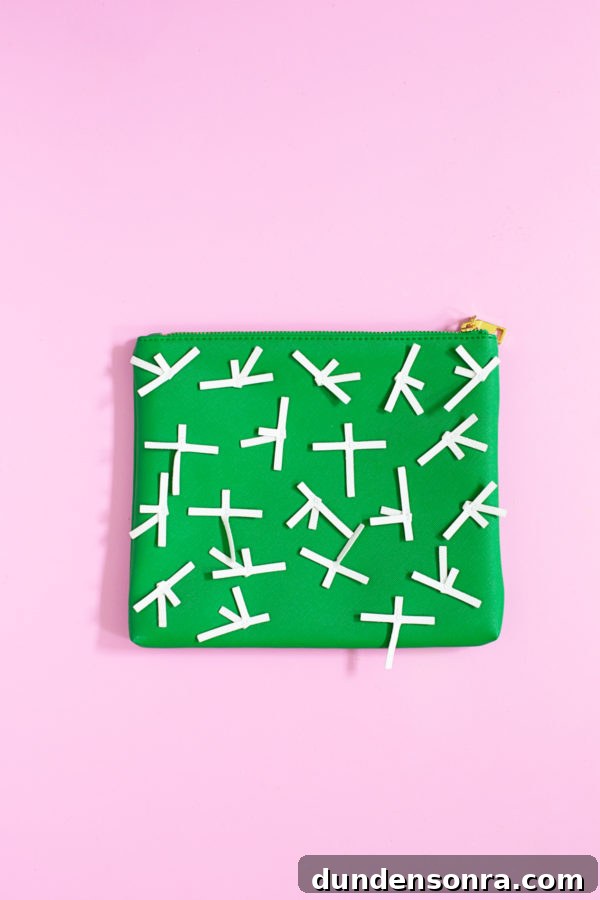
The embroidered version struck the right balance. Each spike varies enough to feel organic, the surface is clean and finished, and the construction will stand up to everyday use. Seeing the final prototype, we were pleased with how the concept translated to a durable, attractive clutch.
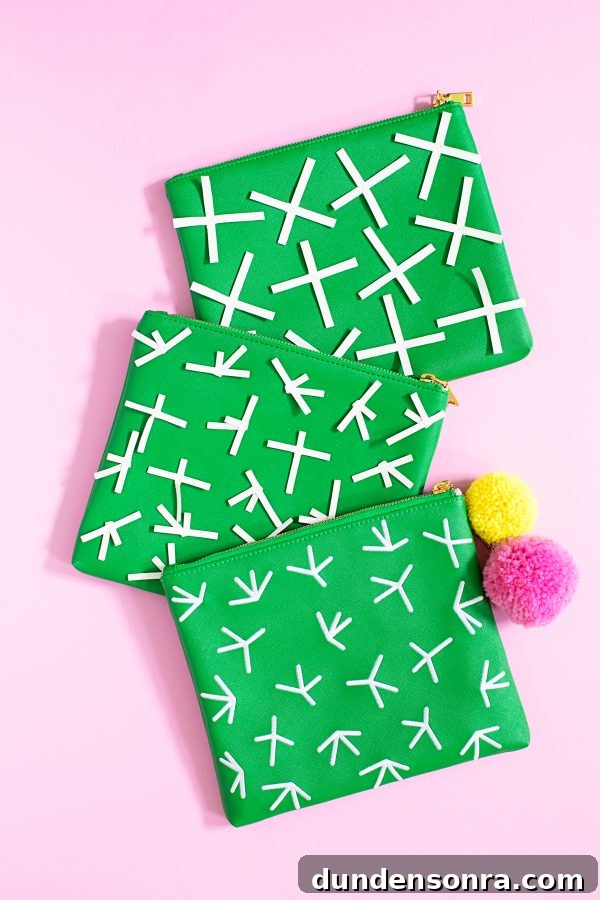
Photos by Jeff Mindell
That’s the journey from idea to finished cactus clutch. I love sharing the behind-the-scenes challenges and decisions—costs, manufacturing limits, and design trade-offs are all part of creating a product. We learned a lot experimenting with materials and techniques, and choosing embroidery was the best fit for this design.
If you enjoy these process posts, we’ll keep sharing more. And if you want to join the Can’t Clutch This subscription, we’re excited to welcome new members who’ll get to enjoy this cactus clutch and future designs. Thanks for following along—your requests and feedback help shape what we make next.