
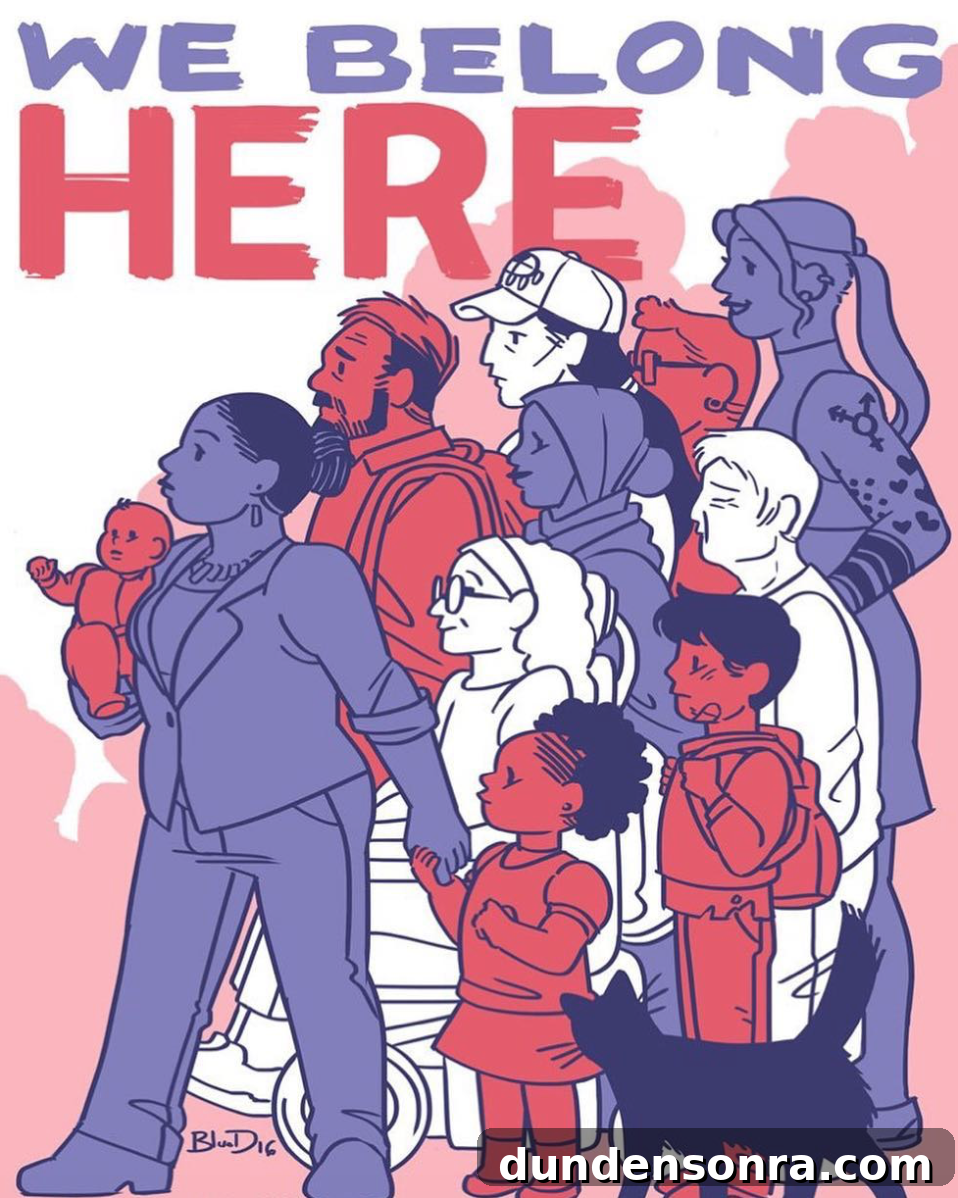

art by #BlueDelliquanti via @womensmarch
In April and May alone, more than 2,000 immigrant children were separated from their parents by ICE and Border Patrol. Babies and young children have been taken from families who were seeking safety. The images and reports coming from the border are deeply distressing, and many people are asking how to respond.
If you need context on how these separations began and where children are being held, seek reliable reporting that outlines the policies and facilities involved. Understanding the background will help you take more effective action and hold decision-makers accountable.
When I first learned about families being torn apart at the border, I felt physically sick. This policy — which forces parents and children apart, often as migrants seek asylum — is cruel and traumatizing. Working in media, my team and I paused our usual editorial agenda to focus on what readers could do to help. I’ve spent much of my life unaware of the full reach of systemic injustices; since becoming more informed, I’ve tried to act. As a colleague recently reminded me: when you know better, do better.
It’s easy to become numb or to look away. But this is happening to families who are people like you and me, and there are concrete steps we can take. Below is a clear, practical three-step plan: learn the legislation, contact your representatives, and donate when you’re able.

via @glennondoyle
Step 1: Understand the Bills on the Table
Keeping Families Together Act
The Keeping Families Together Act would prevent the Department of Homeland Security from separating children from their parents at the border, ensuring families remain together while their claims are processed. Supporters argue there is no legal requirement forcing these separations; rather, policy choices have led to this practice. The bill seeks to end that policy and restore humane treatment.
Fair Day In Court For Kids Act
The Fair Day in Court for Kids Act would expand access to legal counsel for children in immigration proceedings. Data shows that children with legal representation are far more likely to obtain relief and avoid deportation. Providing counsel helps ensure that vulnerable children can present credible asylum and humanitarian claims rather than navigate a complex legal system alone.
The HELP Children Separated Act
The HELP Children Separated Act focuses on protecting children affected by immigration enforcement. Among other provisions, it would require that detained parents have the ability to arrange care, maintain meaningful contact with their children, and participate in court proceedings affecting family custody. It also seeks to prevent children from being forced to interpret in legal or enforcement contexts and asks ICE to weigh children’s best interests in custody and transfer decisions.
Step 2: Call Your Representatives
Find where your members of Congress stand
First, check whether your representative or senators have cosponsored or publicly supported the bills above. If they have not, contact their office and urge them to back legislation that keeps families together, secures legal counsel for children, and protects children during enforcement actions.
- Look up your U.S. Representative at the official House directory and your U.S. Senators at the Senate contact page.
- Call their Washington or district offices and speak with a staffer. If calling feels hard, you can send a brief, polite email instead. State that you are a constituent, name the bill you want them to support, and explain why this matters to you.
What to say
Use a short script. For example: “Hello, I’m a constituent from [City, State]. I’m calling to urge Representative/Senator [Name] to support legislation to end family separation at the border and to back [name the bill]. Please speak out and vote to protect families and children.” If your representative already supports these bills, call to thank them and ask them to continue speaking up.
Other contact tools
There are services that make contacting officials easier. Many organizations provide scripts and phone numbers, and texting tools can deliver messages on your behalf if calling is difficult. Find resources that match your comfort level and use them to amplify your voice.
Step 3: Donate If You’re Able
Calling and advocating are critically important, and not everyone can give financially. If you do have the means, several organizations are working directly to provide legal aid, bonds, and other support to families and detained parents. Donating helps pay legal fees, bonds, and the essentials that detained parents and children need.
Examples of frontline work
RAICES (Refugee and Immigrant Center for Education and Legal Services) raises funds to provide legal services and help pay immigration bonds so parents can be released and reunite with their children. Many bonds are set at thousands of dollars, and legal representation can mean the difference between deportation and remaining in the U.S. while pursuing asylum.
The ACLU is also active in litigation and advocacy to stop family separation and protect immigrant rights. Civil rights organizations and regional legal projects provide essential courtroom representation and monitor detention conditions.
If you choose to donate, prioritize organizations that provide legal services, reunification support, and immediate relief to families in detention.
A Few Final Resources
Look for reputable reporting and civil-rights organizations to stay informed. Independent journalists, nonpartisan fact sheets, and legal aid groups provide updates on policy changes, legal developments, and how to help. Educate yourself, share verified information, and encourage friends and family to act.
It can feel overwhelming to confront such cruelty, but individual actions add up. Calling, writing, and donating where you can all contribute to reuniting families and stopping harmful policies. Together, collective pressure on policymakers and sustained support for legal and humanitarian aid can help reunite children with their parents and end unnecessary family separation.