
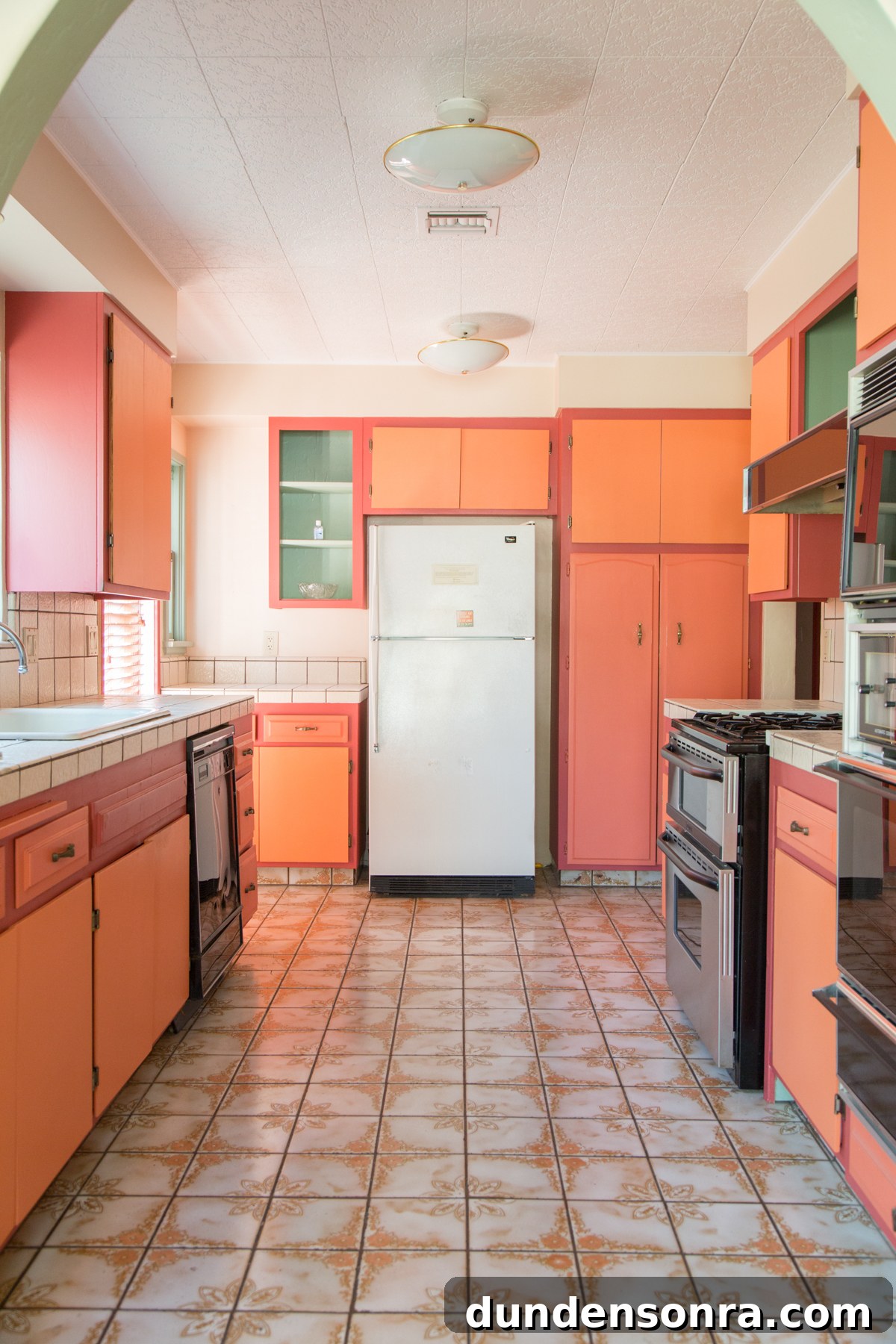
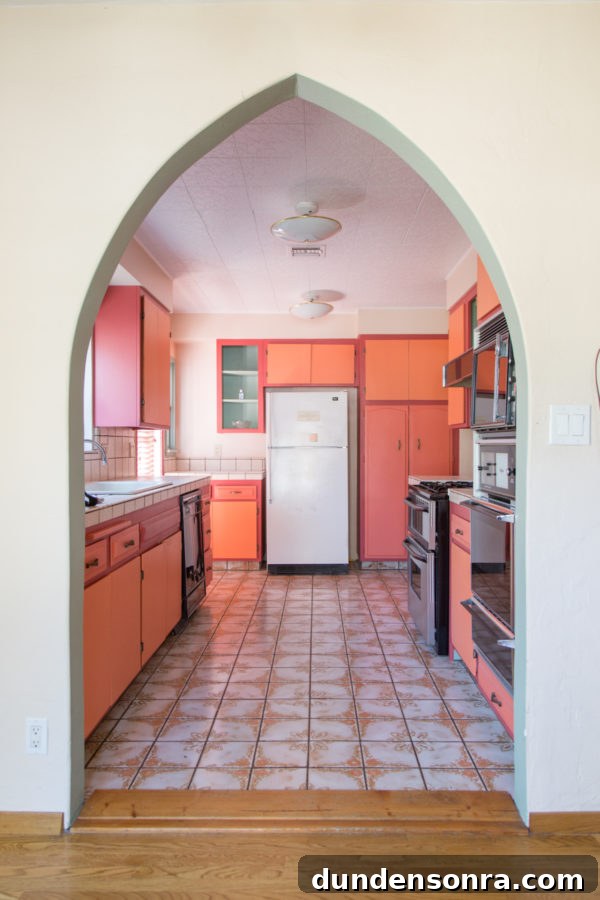
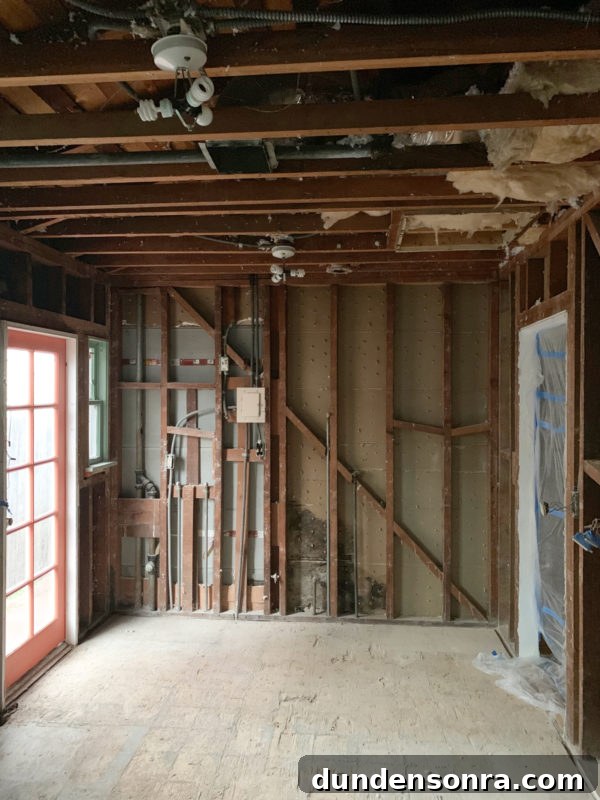
The kitchen pictured above is gone — completely gutted. When we bought this house we were excited to renovate the kitchen, and a few weeks ago we finally broke ground. The project is moving quickly, so I wanted to share our plans, the big decisions we made, and answers to renovation questions you sent on Instagram. First, here are some “before” photos.
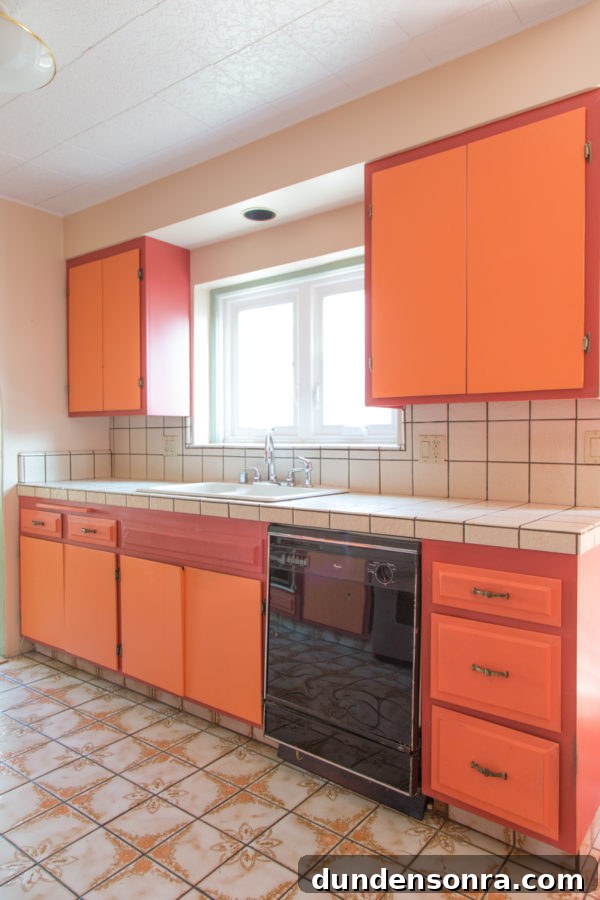
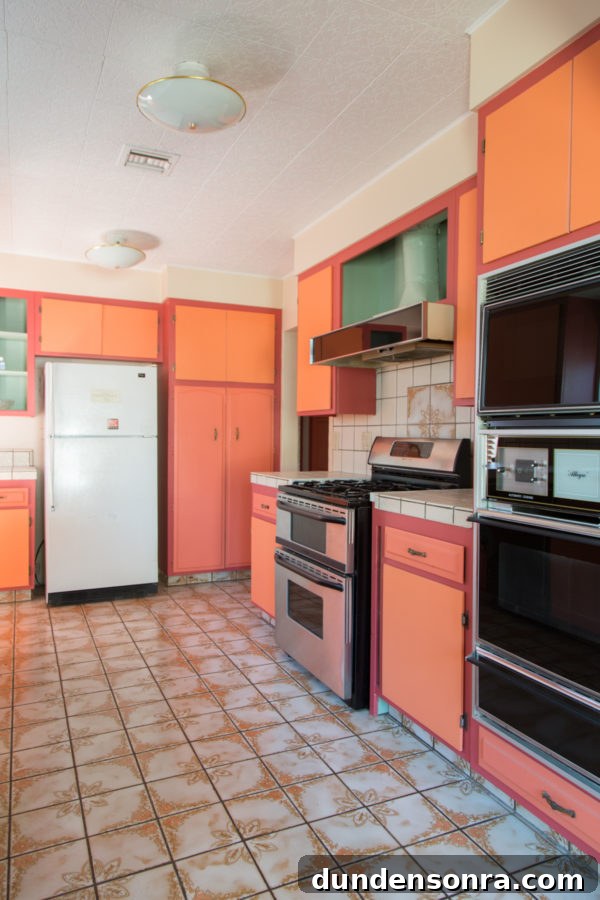
Our 1938 home had been updated in a patchwork way over the years: tiled counters, non-working wall ovens, crumbling cabinets and a coral/red/sage color palette. We were lucky the main appliances mostly worked (setting aside the wall ovens and a duct-taped dishwasher), so we were able to wait a bit before starting the renovation. Now that we’re underway, here are the guiding principles and key choices we made.
How to Modernize an Old House While Keeping Character
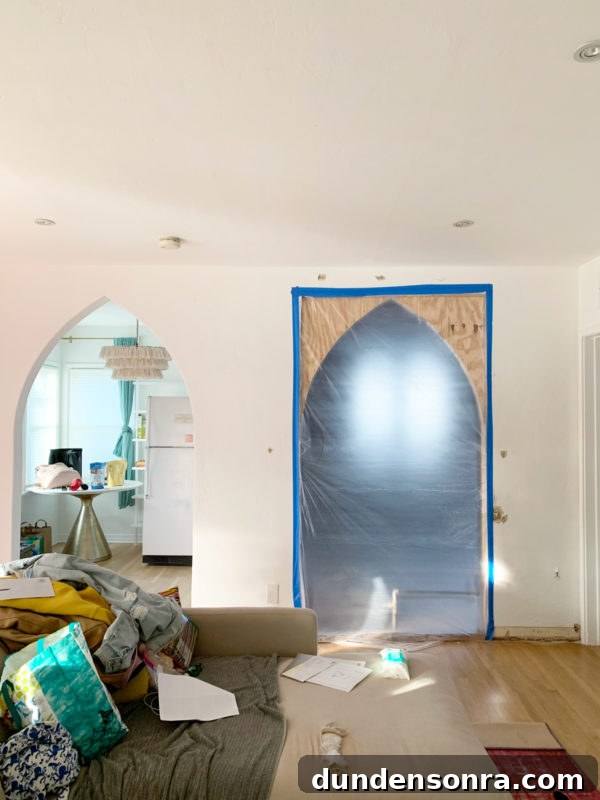
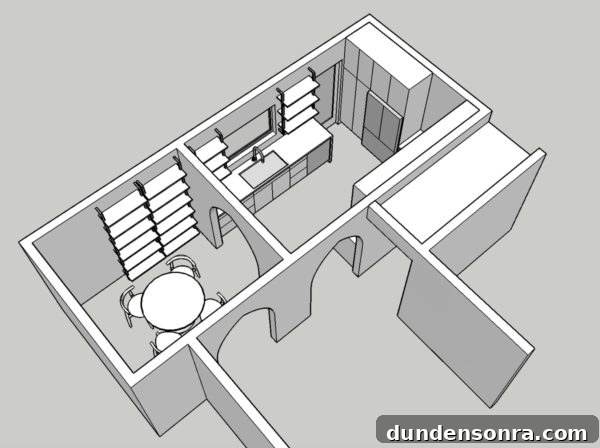
I’m a firm believer in preserving the original character of older homes rather than gutting everything. We loved this house for its 1930s arches and period details, and wanted to keep those features intact. The biggest design debate was whether to open the wall into the kitchen. Functionally, we wanted sightlines to the living area so someone cooking wouldn’t feel cut off and so we could keep an eye on Arlo. But we didn’t want to lose the architectural charm.
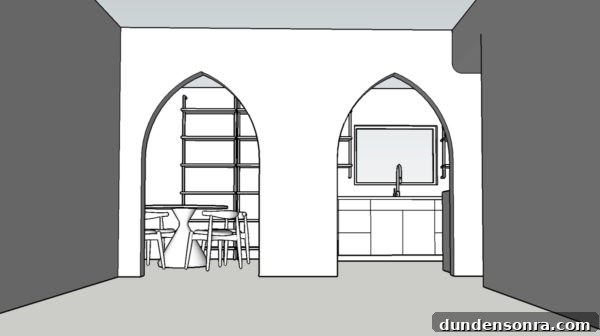
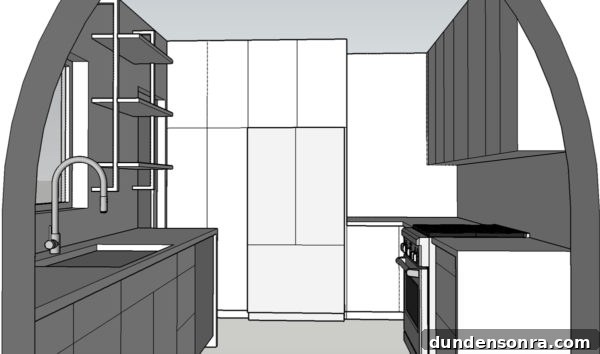
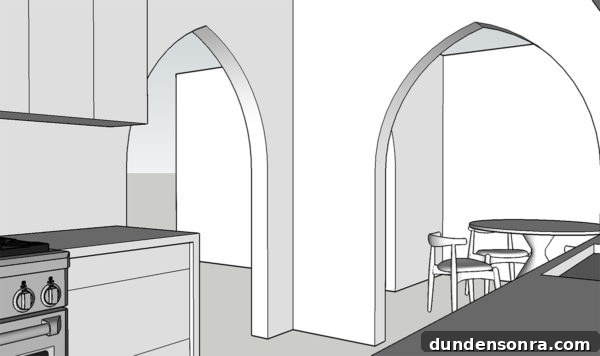
With help from an architect (a family member who joined us for dinner and then sketched solutions), we decided to replicate the existing arch to create a larger, more visible opening into the kitchen. This preserves the original arches and the vintage phone on the dining room wall, while improving sightlines and making the living area feel more open. The quick sketches below give a clear idea of the plan—shelves will be floating in places, a hood will be exposed, and cabinets will be adjusted, but the overall concept is faithful to the house.
Older homes rarely suit complete open-plan conversions without losing what makes them special. Instead of forcing an all-open layout, we built on the existing character to meet our functional needs. The single arch we opened up already makes the space feel much larger, and we’re thrilled with the result so far.
Custom Cabinets vs. IKEA Cabinets
After weighing options, we chose IKEA cabinets primarily for speed and cost. Custom cabinets would have taken six-plus weeks and we had a tight timeline, so IKEA’s faster delivery and good fit for our layout made the decision straightforward. We used IKEA’s kitchen planning resources and booked an appointment with an expert to finalize the layout.
To elevate the look, we’re adding Semihandmade fronts to the IKEA boxes. Their fronts are designed to pair with IKEA cabinet systems and they offer a “DIY Shaker” option that can be painted any color. That flexibility will allow us to get a custom appearance while keeping the project on budget and on schedule.
The Best Flooring for a Kitchen
Choosing between hardwood and tile produced a lively debate. Hardwood is kinder to feet and reduces the chance of dishes shattering when dropped, but it’s more vulnerable to water damage from leaks. Tile is more water-resistant and can provide a bold, graphic look, but grout maintenance and hard surfaces that make dishes more likely to break are downsides.
We ultimately chose hardwood for several reasons. First, the tile styles I love aren’t very resale-friendly, and since we already chose bold tile in the bathroom, we wanted to be more conservative in the kitchen. Second, hardwood is more forgiving for our daily life—cleaning feels easier and it’s more toddler-friendly for Arlo, who falls a lot. Third, choosing wood eliminated one more major decision on a tight schedule, which helped keep the renovation moving.
Tips for Saving Money on a Kitchen Renovation
Our contractor advised that the most effective way to save money is to keep the layout as close to the original as possible. We were fortunate to have a practical galley layout, so we kept major appliances in nearly the same locations. The main change is removing the non-functioning wall ovens to create the opening at the arch. We’ll close the existing doorway to the hall and shift the range slightly to maximize counter space.
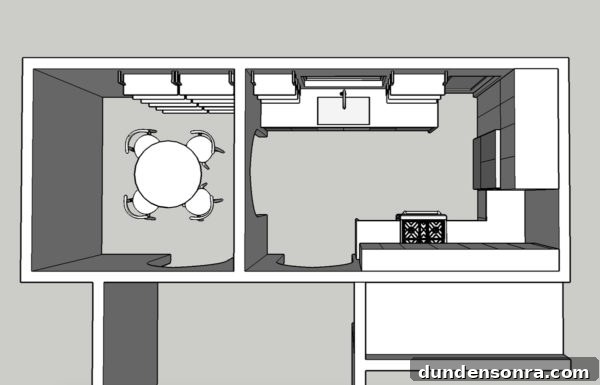
To save costs and maintain character we’re keeping the original large window, the exterior door, and the main arch. We’ll close a small window to relocate the pantry to the other side of the fridge and convert many lower cabinets to drawers for better functionality. Because the space is compact, we made choices to increase the sense of roominess: removing non-structural soffits so we can install taller cabinets, taking down the drop ceiling, and adding two large skylights to bring in abundant natural light. We also opted for open shelving at the sink wall so the kitchen reads more open from the living room—provided we keep the shelves organized.

That’s the plan: floors go in today and cabinets are scheduled for next week. Follow along on our Instagram Stories and our house hashtag #themindwelling for real-time updates.
I’ll publish another post in the coming weeks showing the finished design and decor plan — I’m still finalizing a few details. I’m also considering a post about how we’ve managed without a functioning kitchen during the renovation. If that interests you, let me know!