
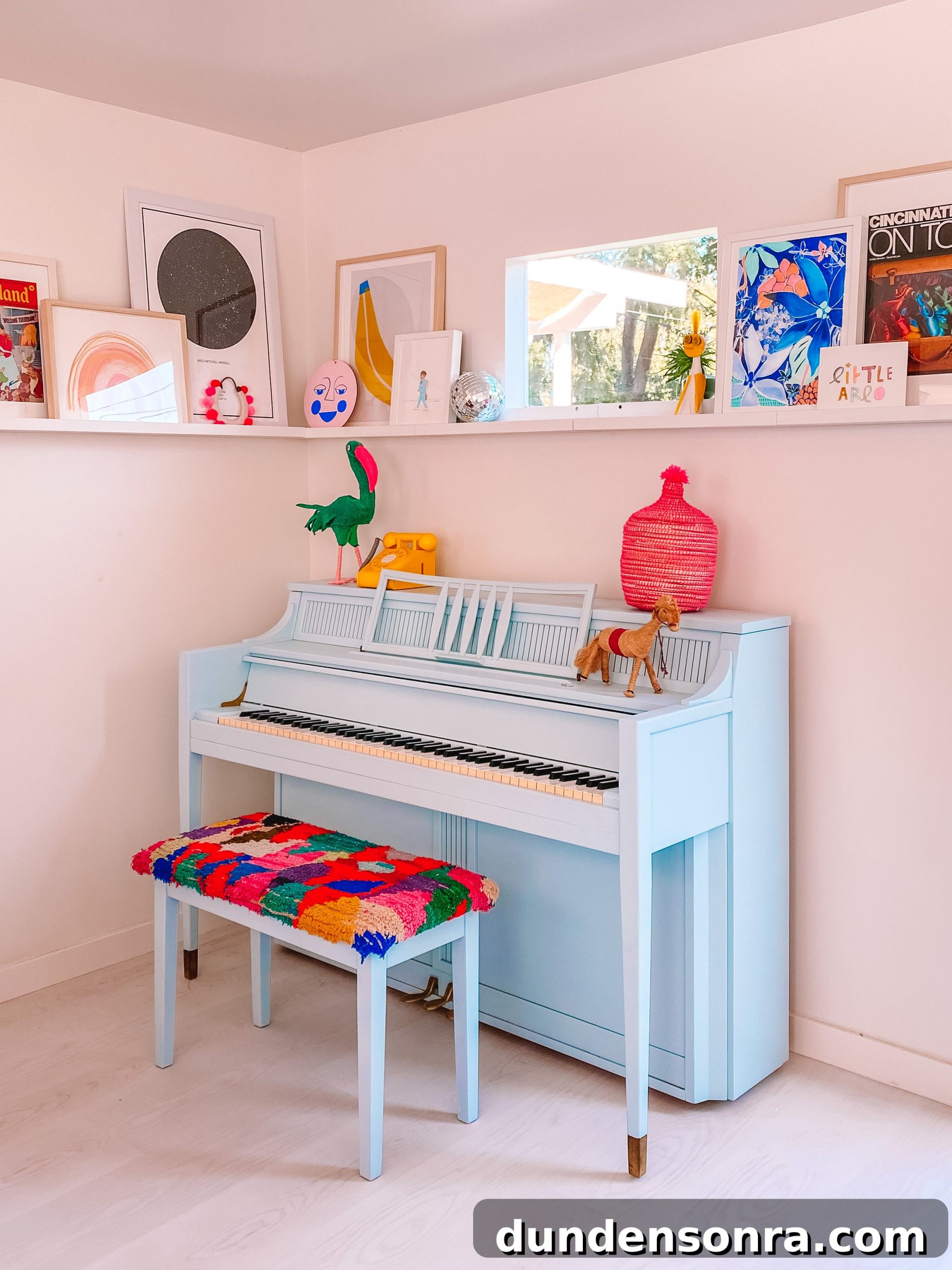
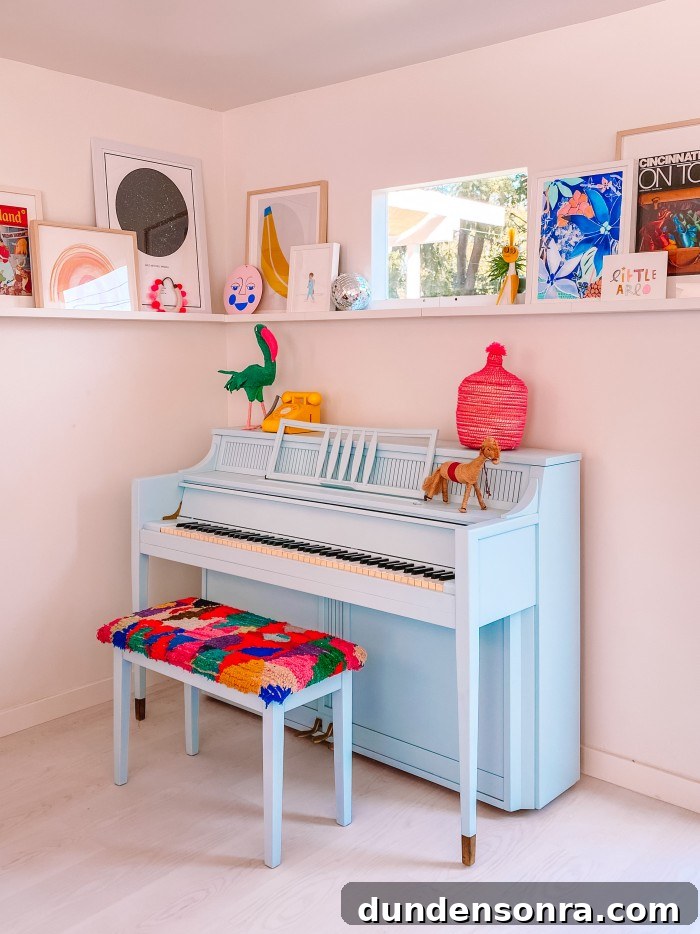
Some of my fondest childhood memories involve gathering around the piano and singing with family. I always wanted a piano in my own home, so I searched online until I found a beautiful used one at a great price. It needed a bit of TLC, so I started looking through painted piano ideas for inspiration. Painting the piano turned out to be the perfect solution. Below I’ll walk you through how I painted mine so you can do the same.
I used regular latex paint with a satin finish and didn’t need a separate primer—the key to success was thorough prep. Spend the time preparing the piano and choosing a color, and the painting itself becomes straightforward. The best part is you can choose any shade, from subtle neutrals to bold hues.
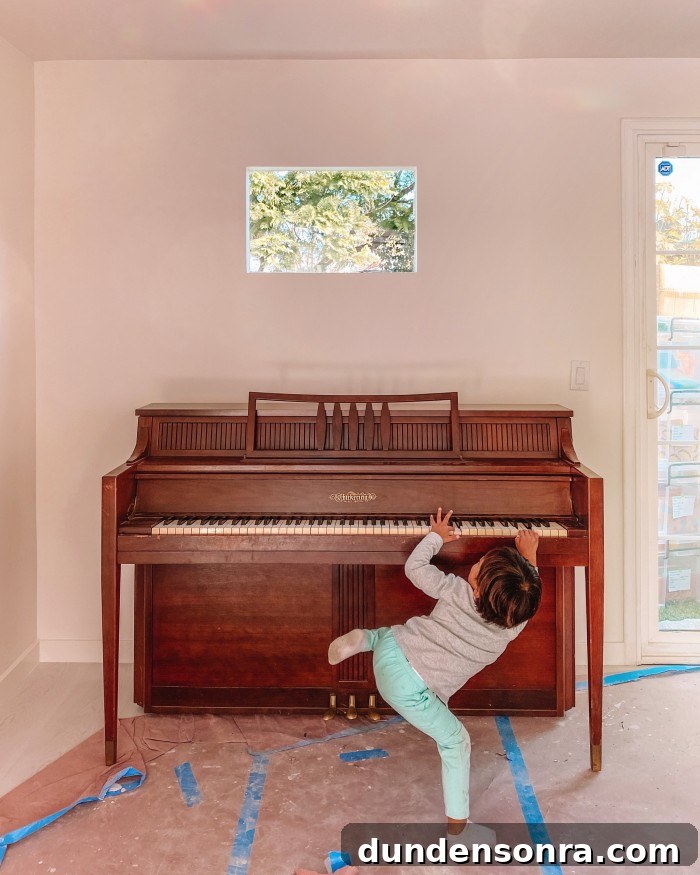
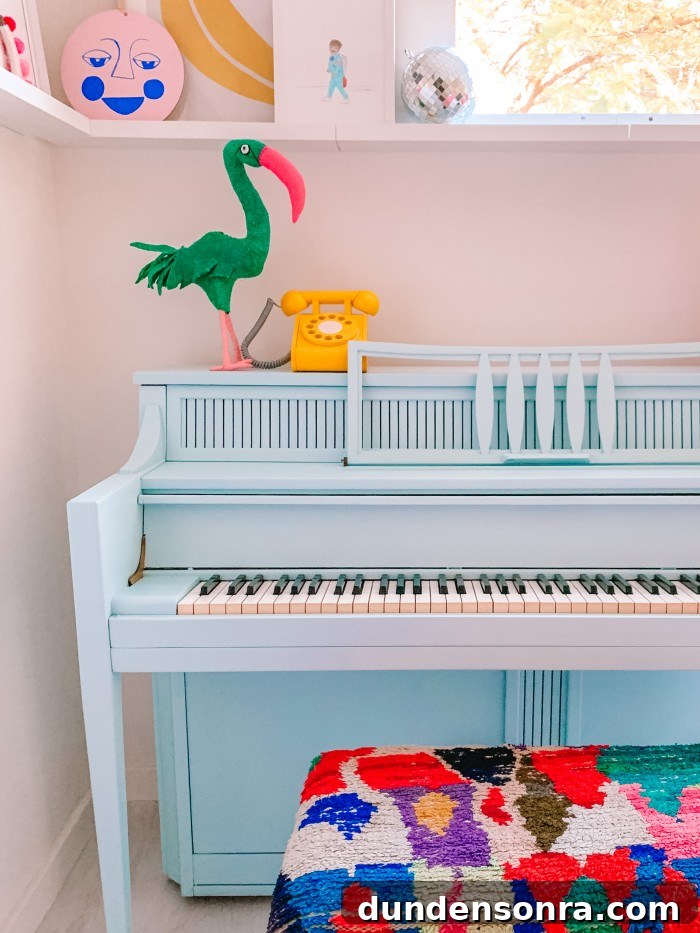
This is the piano we started with—found on Facebook Marketplace for $150. Below you can see how it turned out after painting.
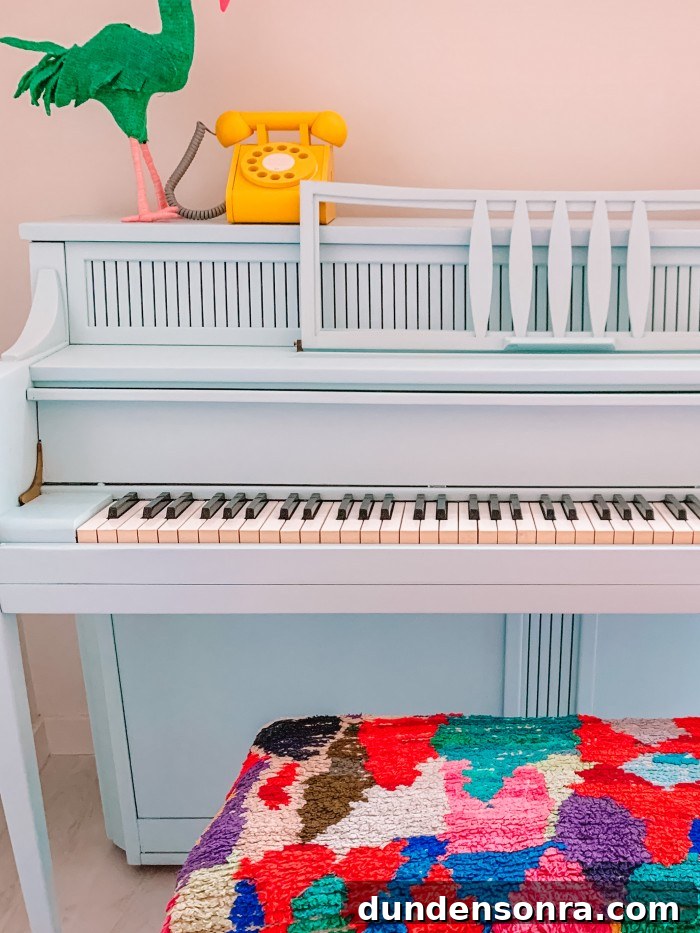
What kind of paint do you use on a piano?
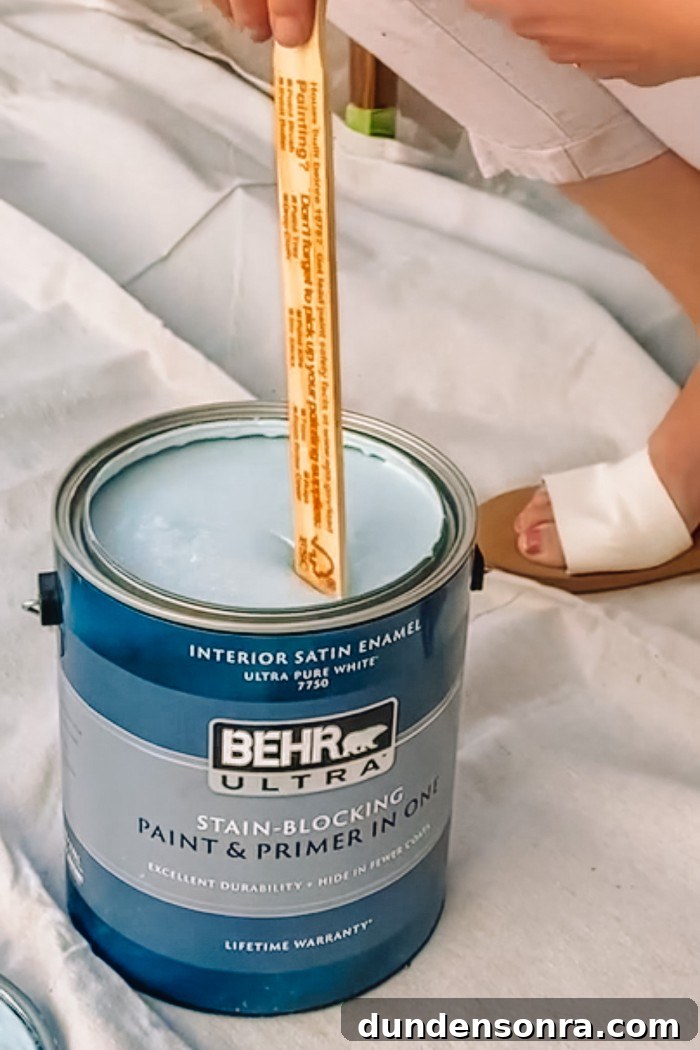
There are several paint options for pianos. Chalk paint is popular because it often requires less sanding. I chose a standard latex paint for a wider color selection—specifically a Behr satin finish with primer included. It provided excellent coverage and a smooth finish without a separate priming step.
Supplies Needed for Painting A Piano
You’ll need the following to paint a piano:
- One gallon latex paint, satin finish (paint and primer in one recommended)
- Optional paint sprayer for a faster, smoother application
- Quality paint brushes (for detail work and unreachable spots)
- Painter’s tape (1–2 rolls, depending on how much you need to mask)
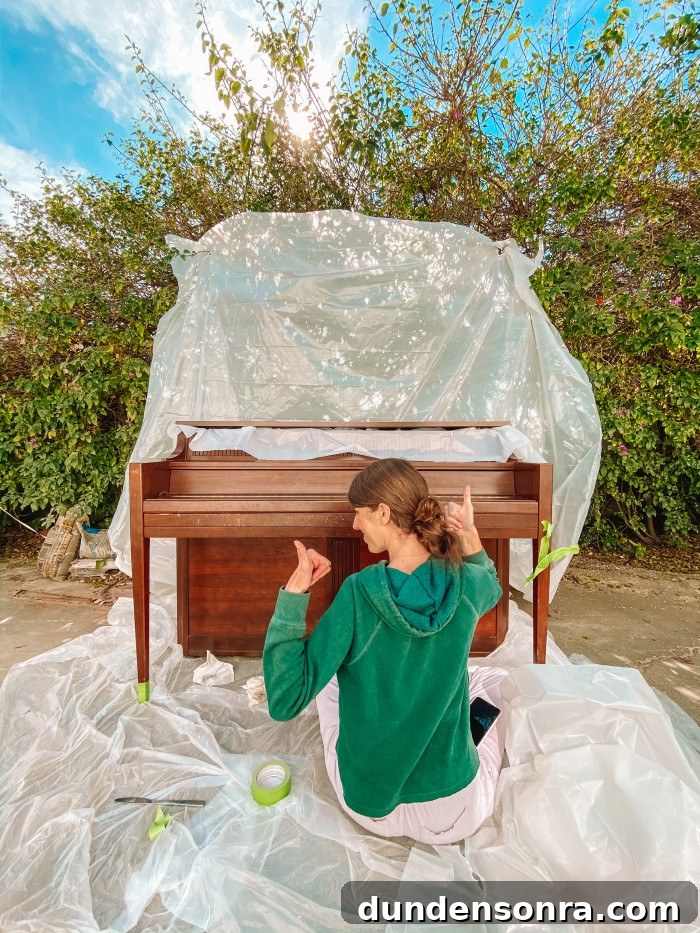
- Plastic sheeting to protect exposed internal parts from overspray
- 80 grit sandpaper for removing the old finish
- 400 grit sandpaper for smoothing between coats
Note: A paint sprayer is not required—you can brush or roll the paint by hand—but a sprayer makes the job quicker and helps achieve a more even finish. If you use a sprayer, protect the surrounding area to prevent overspray.
Step-by-Step Instructions for Painting a Piano
Below are photo-backed steps to guide you through the process of painting a piano.
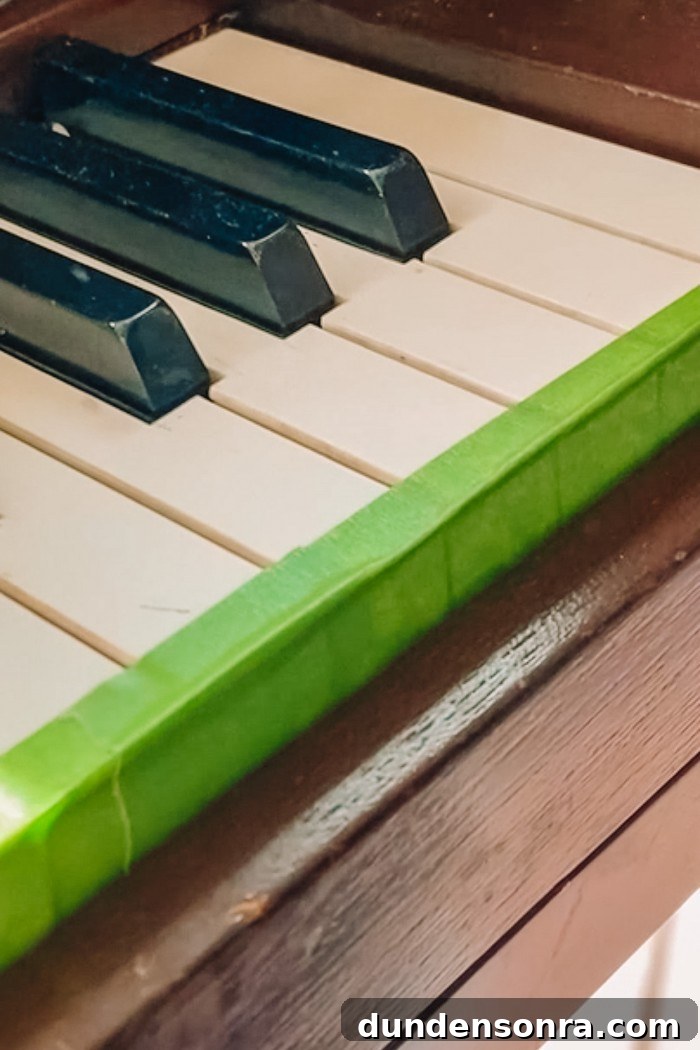
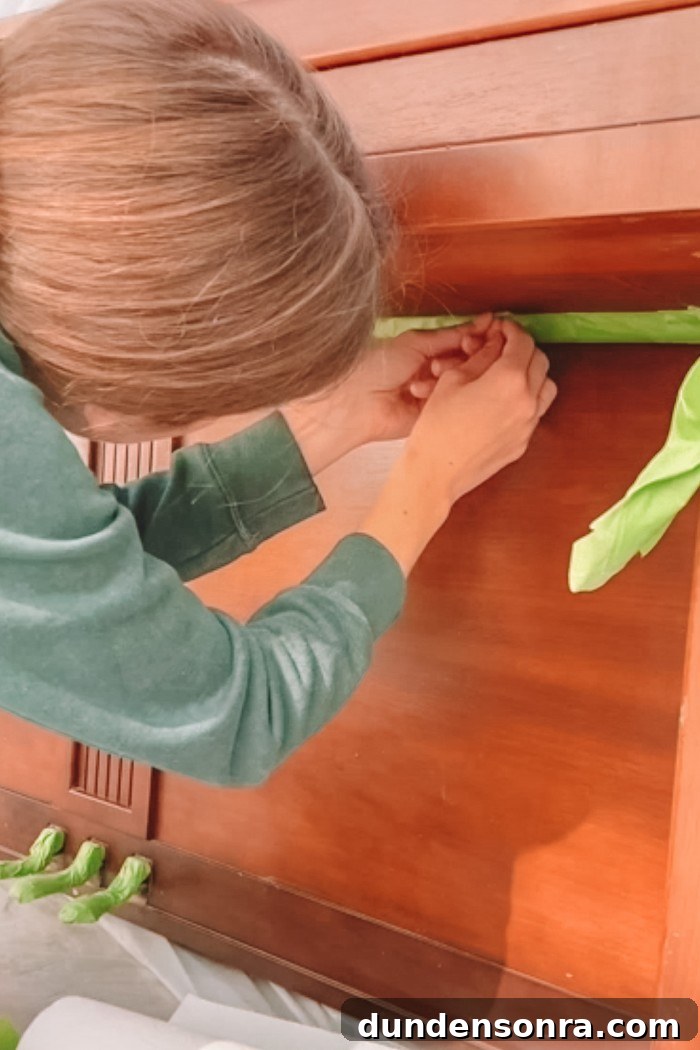
Taping is the most important part of the project. Every piano is different, so adapt your masking to protect all functional elements. Consider taping plastic sheeting over exposed internal parts. Key areas to protect include:
- Piano keys
- Pedals
- Hinges and opening mechanisms
- Metal parts on the music stand or key cover
- Areas under the keyboard between keys and base
- The inside of the piano lid
We removed the music stand and painted it separately to ensure a clean result.
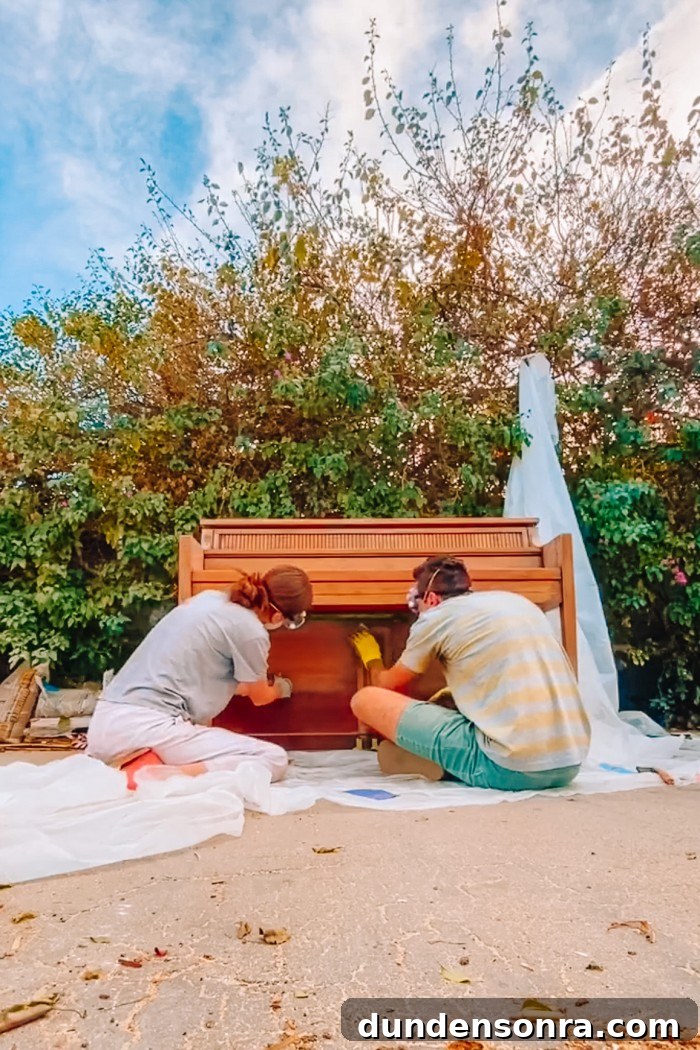
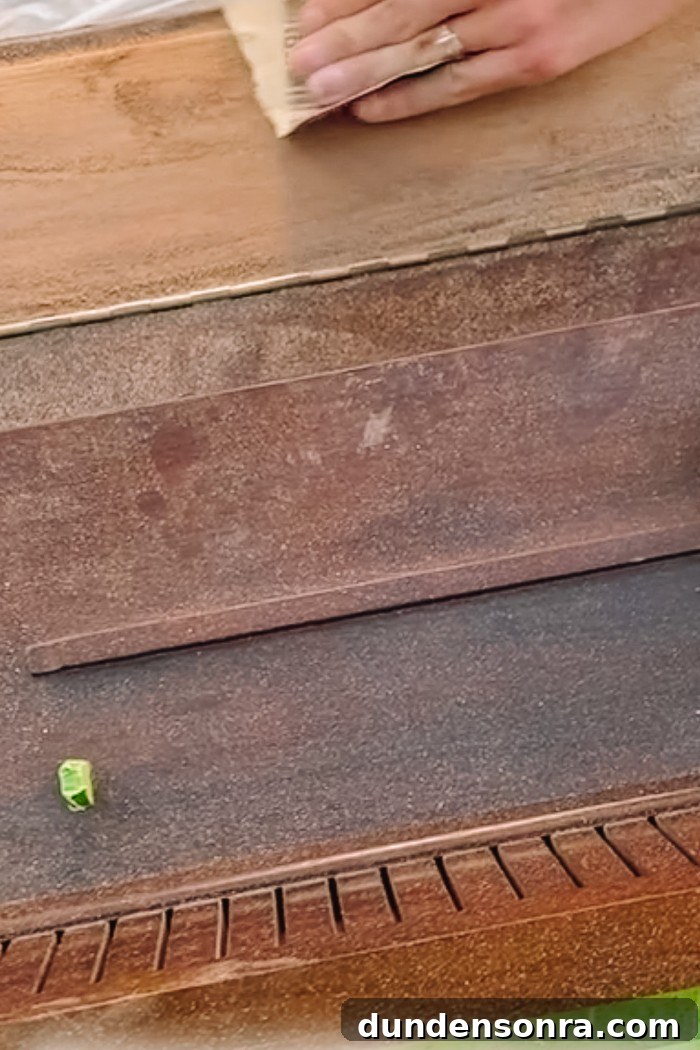
If your piano has a shiny wood finish, begin by sanding with 80 grit sandpaper to remove the gloss and create a surface the paint can adhere to. This step takes the most time. After sanding, wipe the entire instrument down to remove dust and debris.
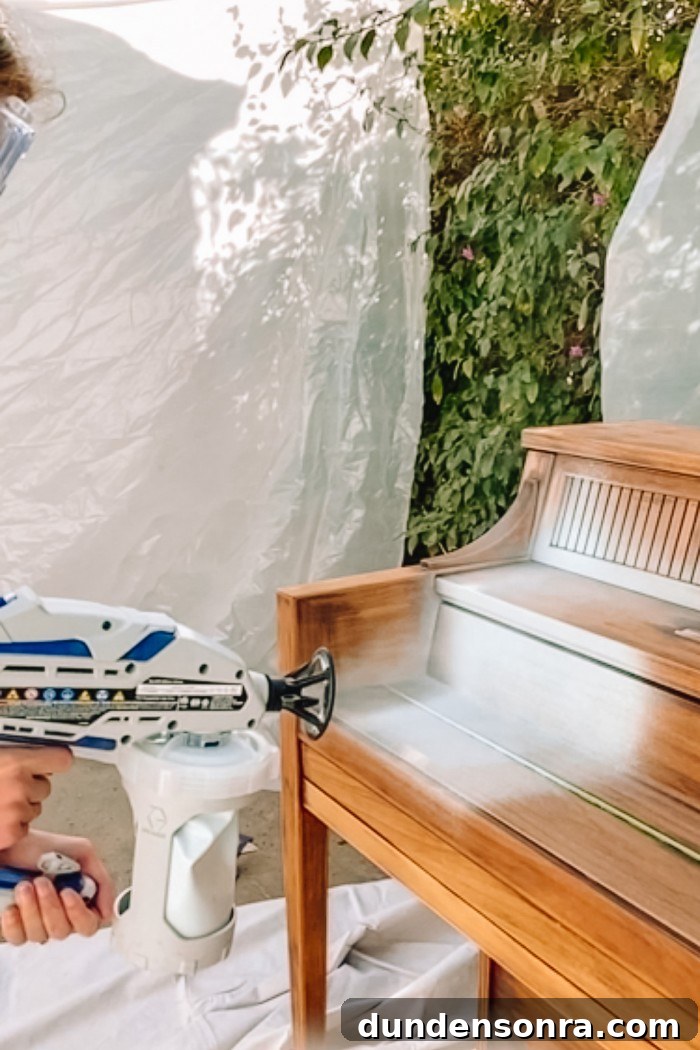
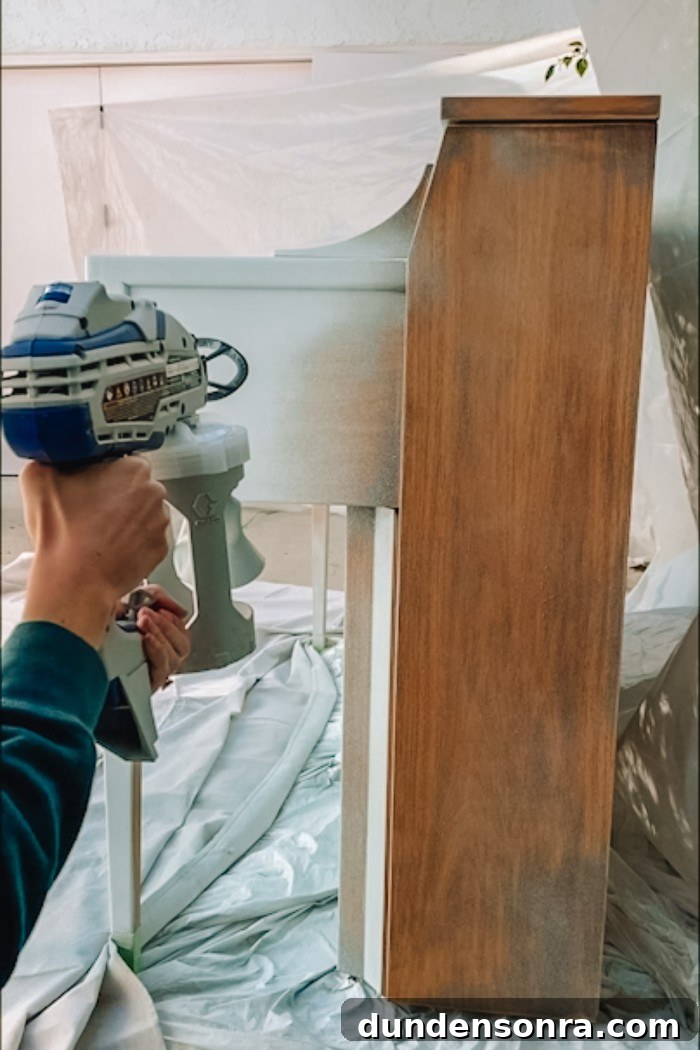
Open and stir your paint thoroughly. If using a sprayer, follow the manufacturer’s instructions to load and adjust the sprayer. Apply a thin, even first coat—when spraying, use steady, overlapping passes to avoid drips and achieve an even finish. If some areas are hard to reach with the sprayer, use a brush or small roller for those spots.
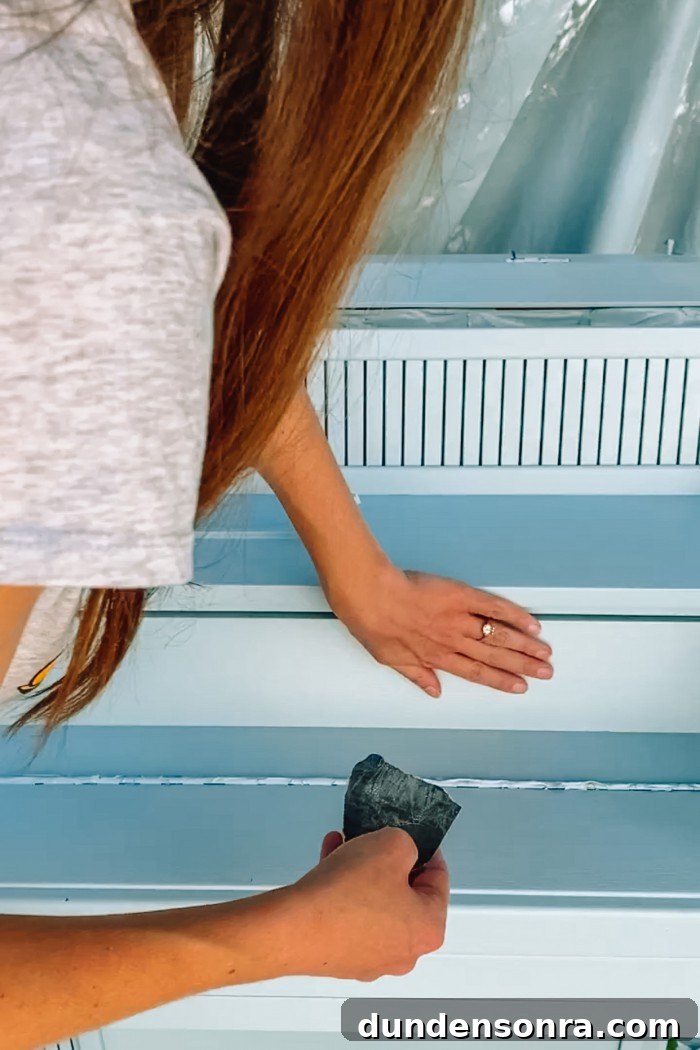
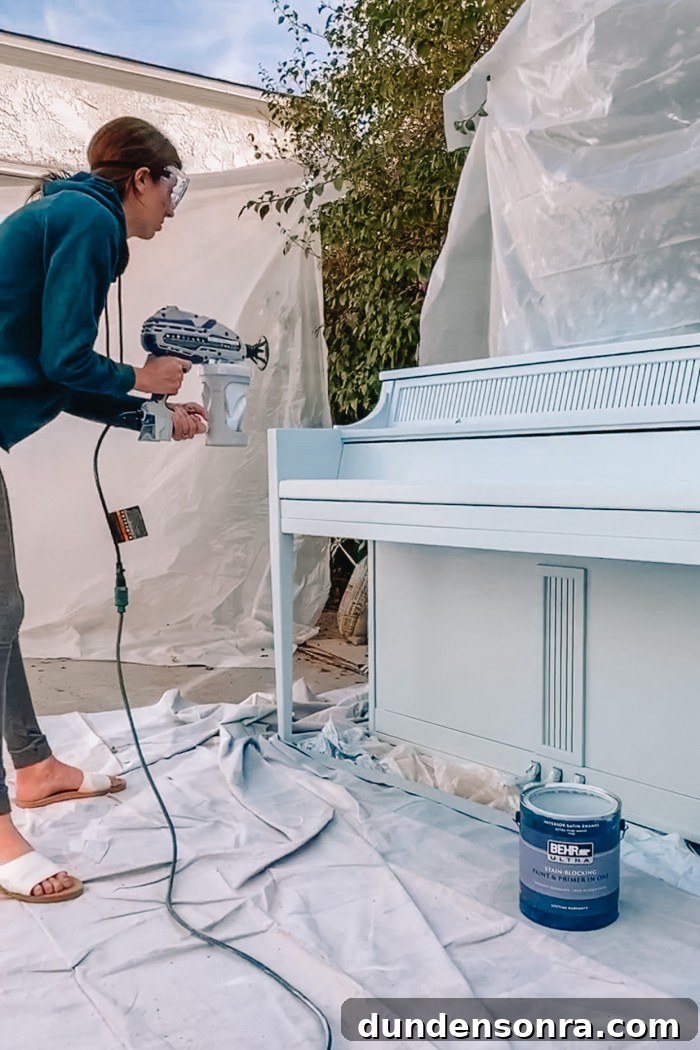
Allow the first coat to dry completely. Then lightly sand with 400 grit sandpaper to smooth any texture or imperfections. Wipe away dust before applying the second coat. Repeat the process—paint, dry, sand—until you achieve full, even coverage. Two to three coats are typical, depending on the color and your desired finish.
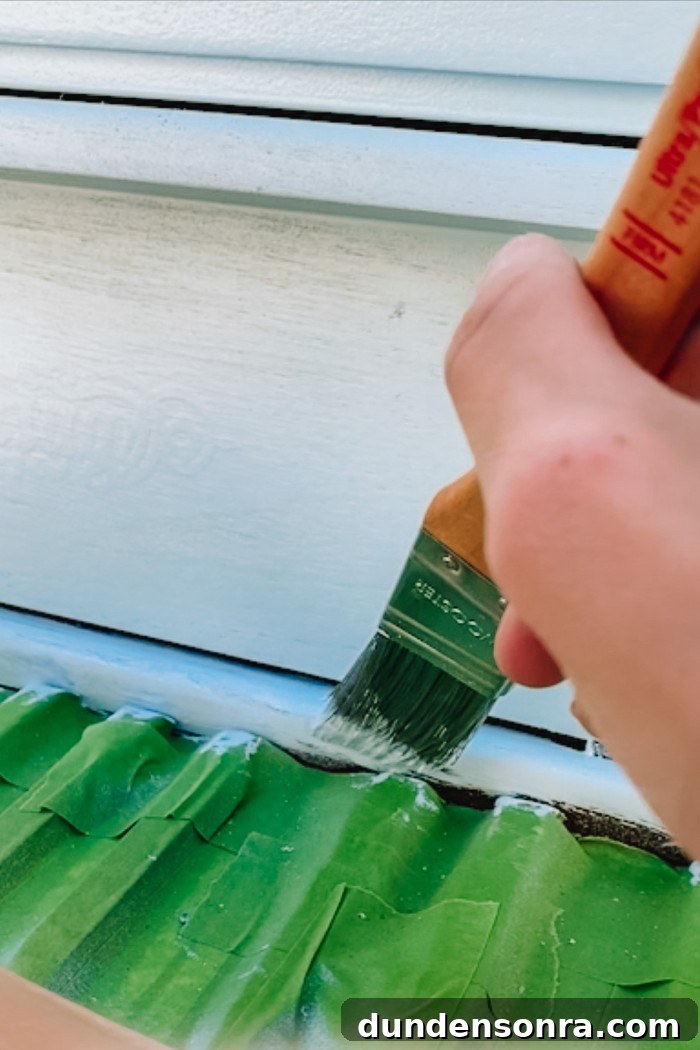
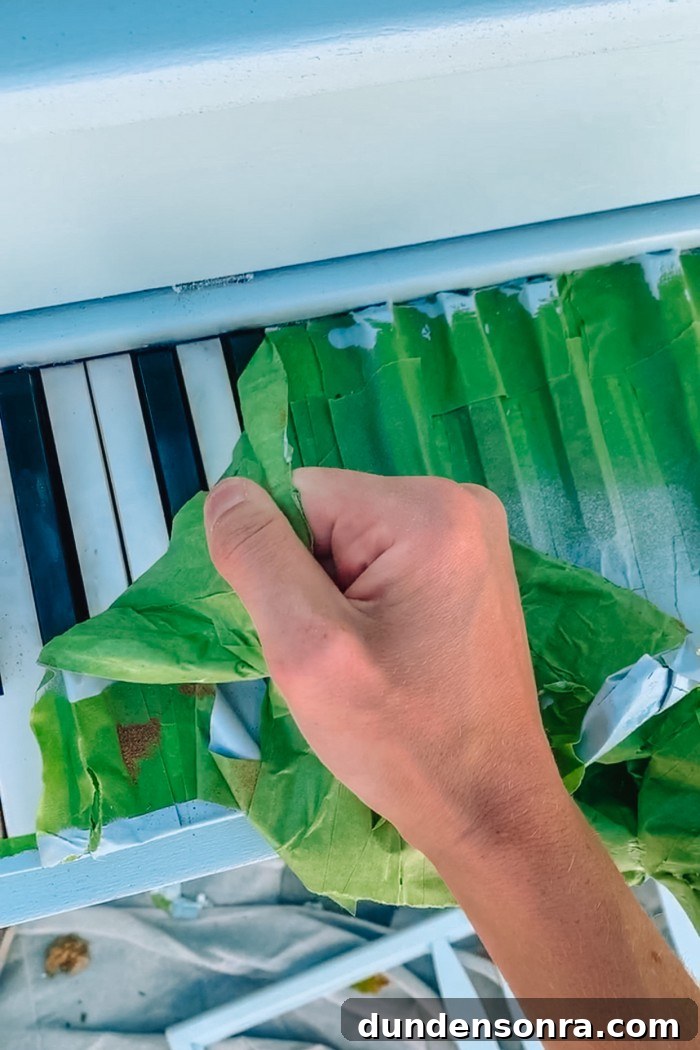
After the final coat has dried, touch up any small areas by hand with a brush. Carefully remove all painter’s tape and plastic sheeting, taking care not to peel paint. Make final touch-ups where tape coverage prevented full painting and allow everything to cure fully before returning the piano to regular use.
How much does painting a piano cost?
Here’s a simple breakdown of what I spent on this project, including the used piano:
- Second-hand piano – $150
- One gallon of paint – $38.98
- Paintbrush – $11.97
- Painter’s tape – $9.38
- 80 grit sandpaper – $4.97
- 400 grit sandpaper – $4.97
Total cost including the piano: $220.27. If you also purchase a new paint sprayer (roughly $250), expect the total to be around $470.27.
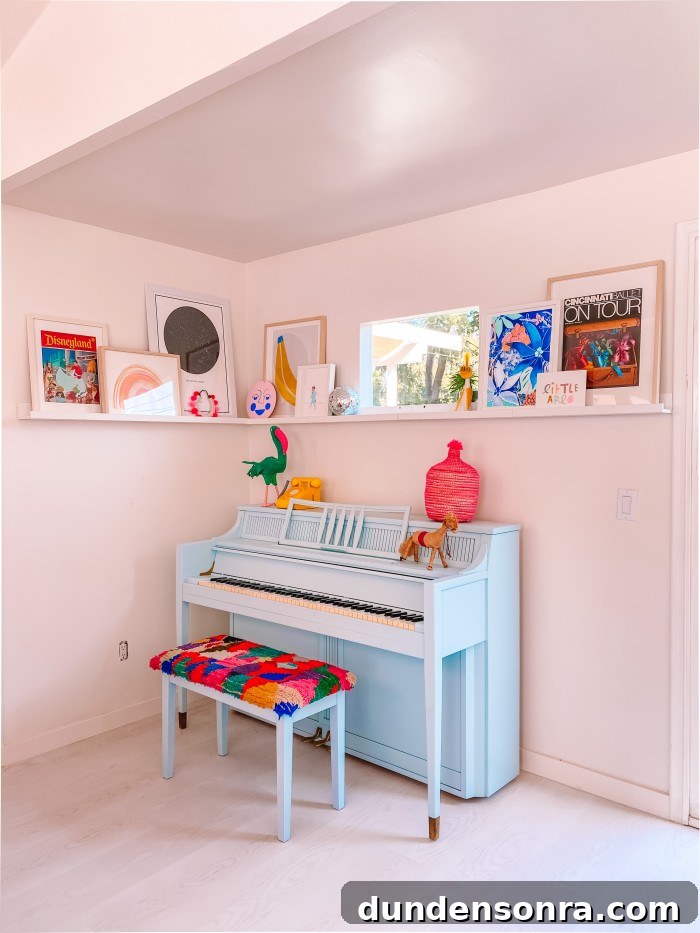
Painting a piano is a rewarding project that can transform a second-hand find into a cherished centerpiece. With careful preparation and patience through sanding and masking, you can give a piano a fresh, personalized look your family will enjoy for years.