Hello! Time for a proper, detailed update. Last year I wrote about my background and how Studio DIY began, and I’ve had many requests to share what happened next—how the site grew and changed. Below I pick up where that story left off and walk through the early days of Studio DIY, hiring the first team members, finding a studio, and the milestones that followed. If you haven’t read “The Road to Studio DIY” yet, consider reading it first, then come back here.
At the end of 2012, I left my last major freelance gig to focus on Studio DIY full-time.
I had been contributing to a wedding blog, but I realized I needed to leave that steady work to give Studio DIY the attention it deserved. I continued some paid contributor work under the Studio DIY name for income, but those gigs didn’t significantly grow traffic or the brand for me.
In February 2013, I signed with an advertising network.
That partnership meant a larger company began managing banner ads on the site. The display ad landscape has changed a lot since then—I no longer run ads on the site—but at the time this provided a consistent, passive income stream that helped stabilize things.
2013 became a year of hustle.
I started reaching out to brands and pitching ideas, using social media and direct outreach to build relationships and secure sponsored posts. Leaving my stable freelance job motivated me to hustle, make new contacts, and pursue more consistent partnerships.
In January 2014, I rented a studio.
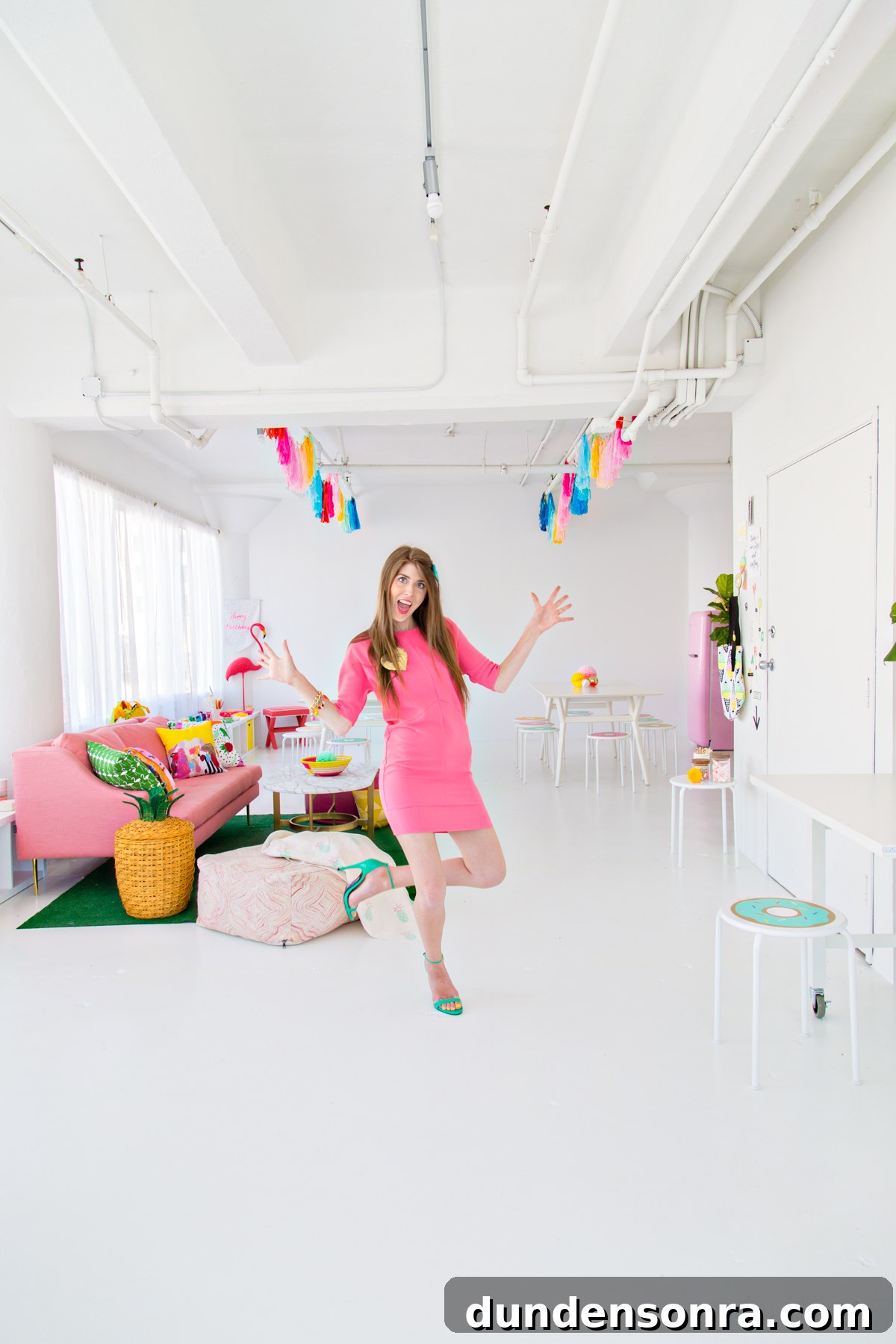
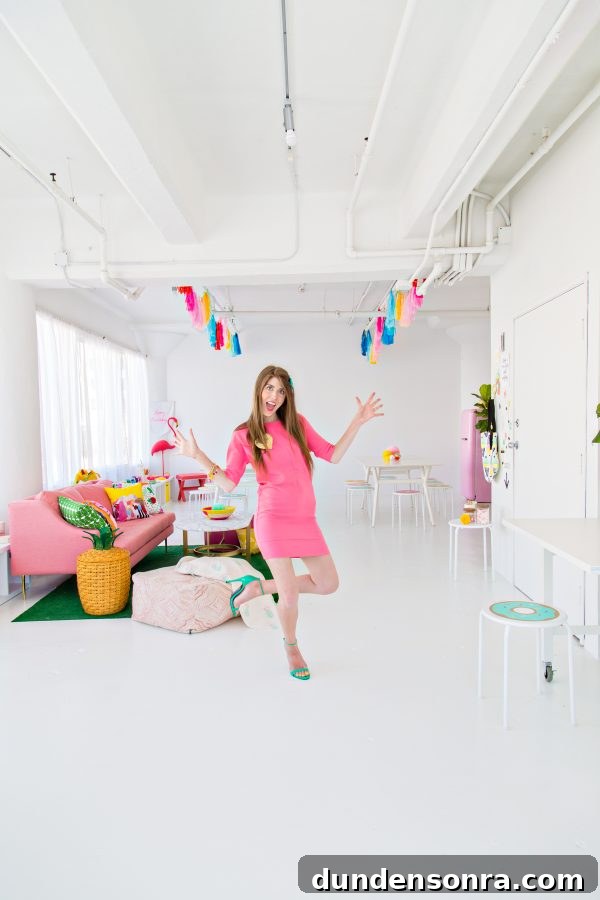
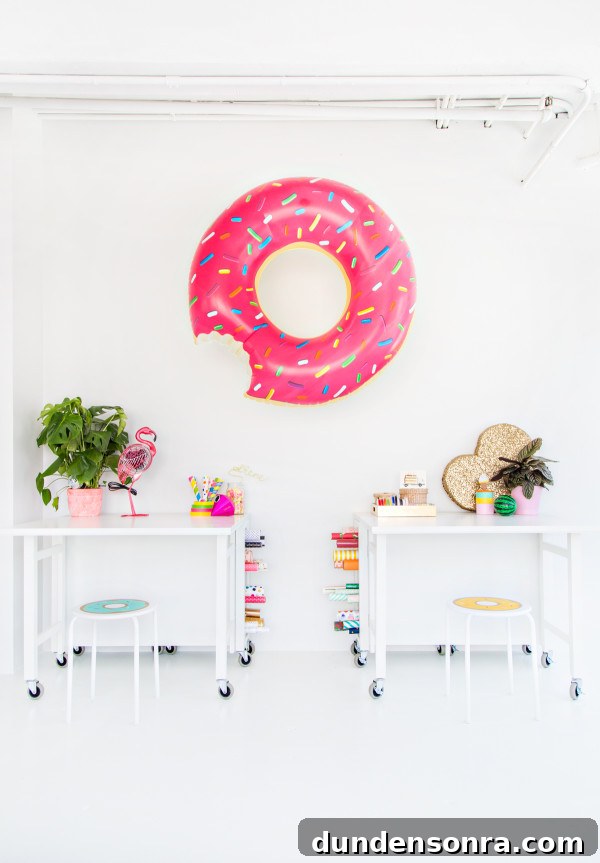
By early 2014 my apartment had become overrun with supplies, props and projects. Running a DIY blog meant accumulating a lot of physical items, and it had reached the point where we could barely move. I began searching for an affordable studio and found a building being converted from sewing factories into creative offices. I took a spot on a factory floor because it fit my budget.
Signing that lease felt like both a celebration and a terrifying leap—taking on that overhead was scary, but it was a turning point for Studio DIY. The space had great light and we painted it white, but it had limited bathroom facilities and awkward access to a sink, which made daily shoots and prep challenging.
For the first few months I didn’t actually spend much time in the studio—I was used to working from home and had trouble forming the habit of showing up. As the workload and volume of emails grew, it became clear I needed help.
In April 2014, I hired my first employees.
After signing a long-term sponsorship in January, I had the financial confidence to hire assistance. I asked myself what I was worst at and what I needed help with most—email topped the list. I hired an operations assistant, Annie, to go through my inbox daily and sort messages into folders that required immediate responses or could wait. This system improved response times, though it didn’t eliminate my tendency to avoid certain emails.
Annie worked remotely at first, managing emails, helping with events, and later taking on Pinterest. I also brought on a project-by-project craft assistant. During this period, Jeff and I shot many of the tabletop photos ourselves, often in rushed evening sessions, which was stressful but necessary.
As sponsorships and emails continued to grow, having remote help proved limiting. I also began to consider whether Jeff should leave his job, since his photography work was increasing.

In January 2015, I hired an Operations Manager.
Samantha joined part-time and worked in the studio several days a week. Initially I dictated emails to her, and she used templates for routine replies. She also handled invoicing and began managing the calendar—scheduling had never been my strength. Annie continued to handle Pinterest and some graphic tasks.
In February 2015, we moved to a larger studio.
After Samantha started, it became obvious we needed a functional kitchen and bathrooms for regular use. We moved to a larger Studio DIY HQ that doubled our space (and our rent). The light wasn’t quite as ideal, but having proper facilities—especially a sink—was transformative for day-to-day work.
In March 2015, I signed with a manager.
Signing with a management company was another major turning point. They negotiated contracts, handled sponsor invoicing and brought opportunities to the table. That relationship revealed how much I had been undercharging, and helped me value the Studio DIY brand appropriately.
In April 2015, Jeff left his job.
With more work and better revenue from management deals, it made sense for Jeff to pursue photography full-time. He left his job and went freelance, and together we launched Can’t Crop This Class to provide an additional income stream while he built his client base.
We also brought on a part-time baking assistant, Theresa, to help expand our food content—she quickly became an invaluable resource in the kitchen.
In July 2015, I hired my first full-time employee.
Samantha moved to full-time, which was a huge step for the business. Having someone fully committed to Studio DIY changed everything—she now handles the majority of emails independently and manages much of the day-to-day operations. We created a “KELLY!” folder for messages I must reply to personally.
Also in July, we hired a bookkeeper and set up payroll.
Hiring a bookkeeper was a major relief—tracking expenses, reconciling accounts and ensuring taxes are paid freed me from financial stress. We implemented a payroll system to manage employee pay and required filings, which made running the business much more scalable and professional.
In September 2015, we added a Creative Development + Styling Assistant.
Annie transitioned into a creative role, helping execute DIY projects and styling shoots. Her familiarity with the brand made this a natural fit and allowed us to expand our production capacity.
We also developed a weekly schedule.
To stay organized we adopted a routine: Mondays for prep and brainstorming; Tuesdays and Wednesdays for shooting (Jeff usually handles photography those days); Thursdays for administrative work, calendar review and meetings; and Fridays reserved for writing the following week’s posts. The structure has made us far more productive than our previous ad-hoc approach.
In November 2015, we redesigned the website.
Studio DIY received a long-overdue redesign and mobile-responsive update. Working with a focused design and development team modernized the brand and improved the user experience.
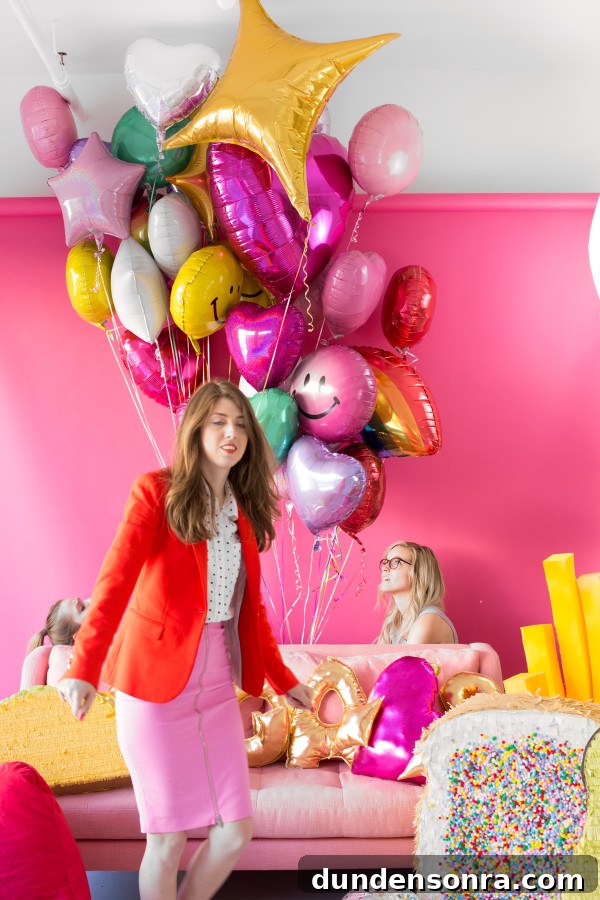
In February 2016, we hired a Social Media + Blog Intern.
As responsibilities continued to grow, we brought on Chelsea to help manage social platforms and draft posts by prepping images and inserting them into drafts before I finalize the content.
That brings us to the present. In under two years the team grew from a solo operation to seven team members plus a bookkeeper and management company. It’s been intense—exciting, terrifying, and a tremendous learning experience for this introverted control-freak—but incredibly rewarding. We have more plans ahead and expect the team to keep evolving.
If you run a small business too, I’d love to hear about your struggles and successes—sharing experiences helps. If you have questions about anything above, I did a Q&A on Snapchat where I answered some reader questions, and I’ll continue to share updates as we grow.