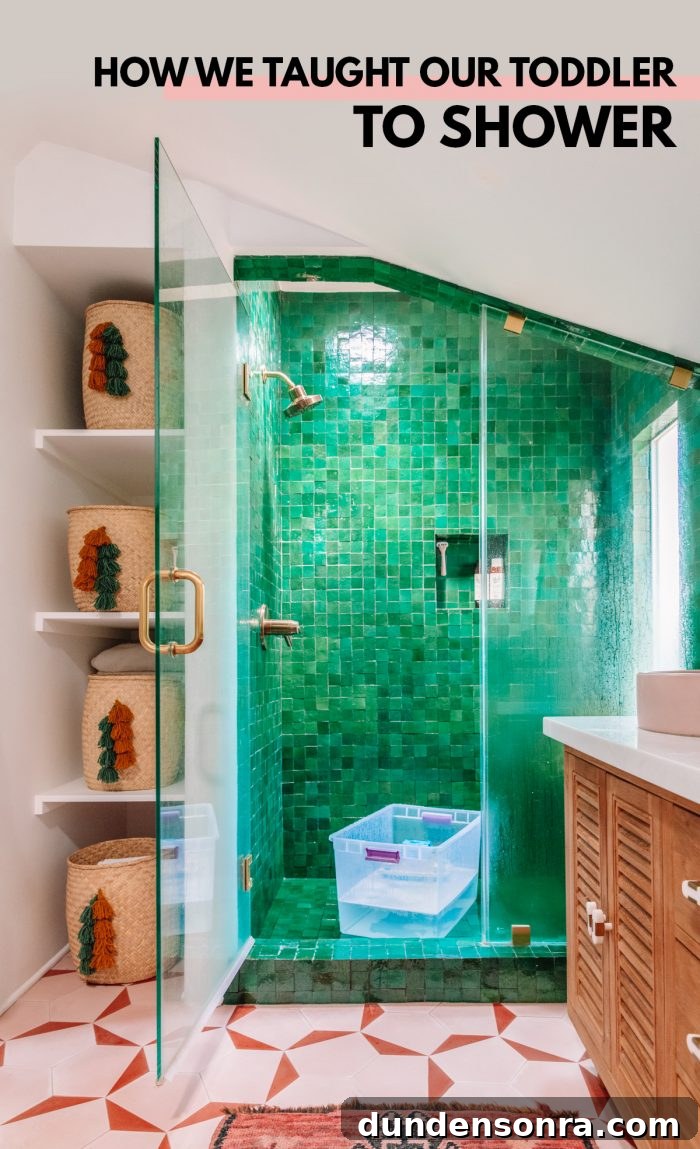

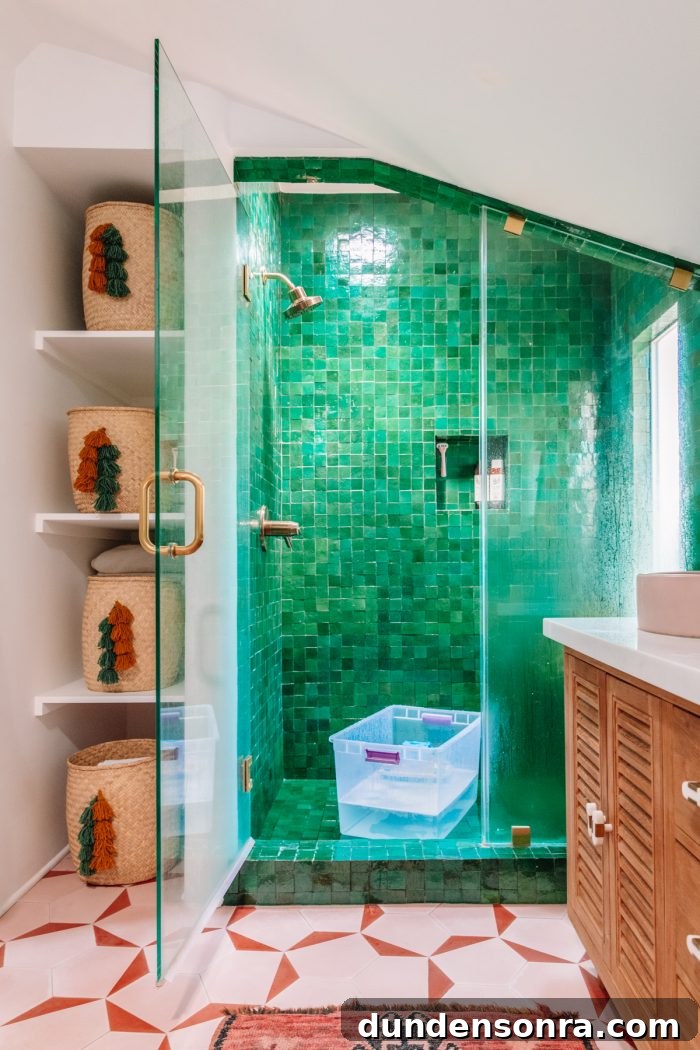
This is the story of how we taught our toddler to shower while renovating our home—and how a few careful steps made the transition calm and successful.
When our son was about 18 months old, we removed the only bathtub in the house during a bathroom remodel. We planned to add a tub to the kids’ bathroom eventually, but until then the shower became our only bathing option. Our son was also a bit wary of water, so we needed a gentle, gradual approach to get him comfortable with a full shower stream over his head. We took it slow and had great results.
If your child already loves water you may not need these steps. But if you’re temporarily bathtub-less—or you want your child to be confident in the shower—this is a practical, parent-tested progression that helped us move from tub bathing to independent showers with minimal tears.
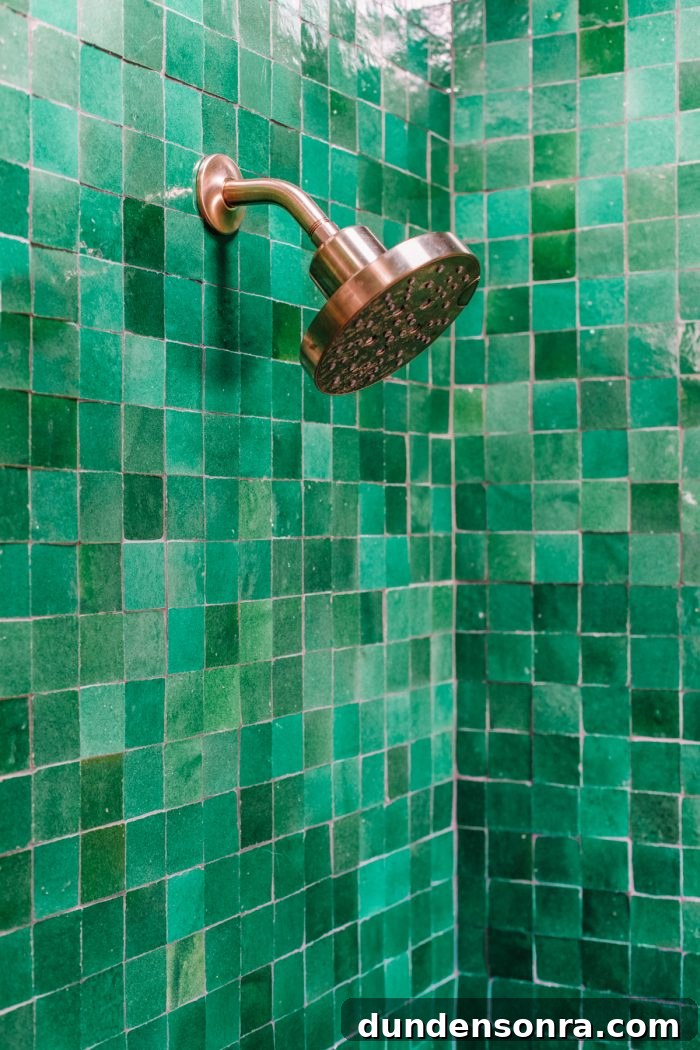
At what age can a toddler shower?
We began around 18 months because we no longer had a tub and he no longer fit comfortably in the sink. You could introduce showering earlier for some kids, but they need to be steady on their feet—so timing varies by child.
Keep in mind this is about getting a young child comfortable being bathed in the shower, not about them bathing themselves. That a skill comes later. Everything described here should be done while a parent or adult is supervising.
Can toddlers shower alone?
Short answer: no. Young children should always be supervised while bathing.
For roughly the first year, one of us often showered with our son. That meant two things cleaned at once, but it also removed the solo-shower quiet time you might crave, so we alternated. Approaching age three we began letting him shower “alone” while one of us stayed in the bathroom to supervise and help with washing. Eventually he handled much of it on his own, but a grown-up remained nearby.
Also, make sure the shower floor has adequate traction—good grout, a non-slip mat, or other measures—to reduce slipping risk.
Our toddler shower transition timeline
Every child is different, so use these steps as a flexible roadmap. Move forward only when your child feels comfortable enough.
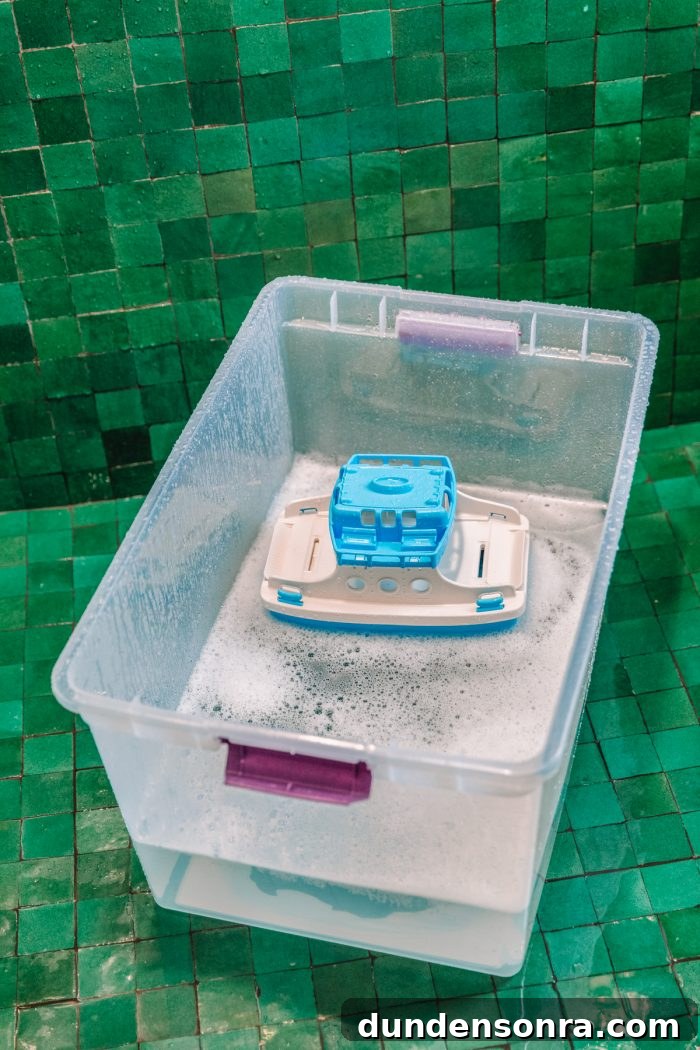
Create a fake “tub” inside the shower
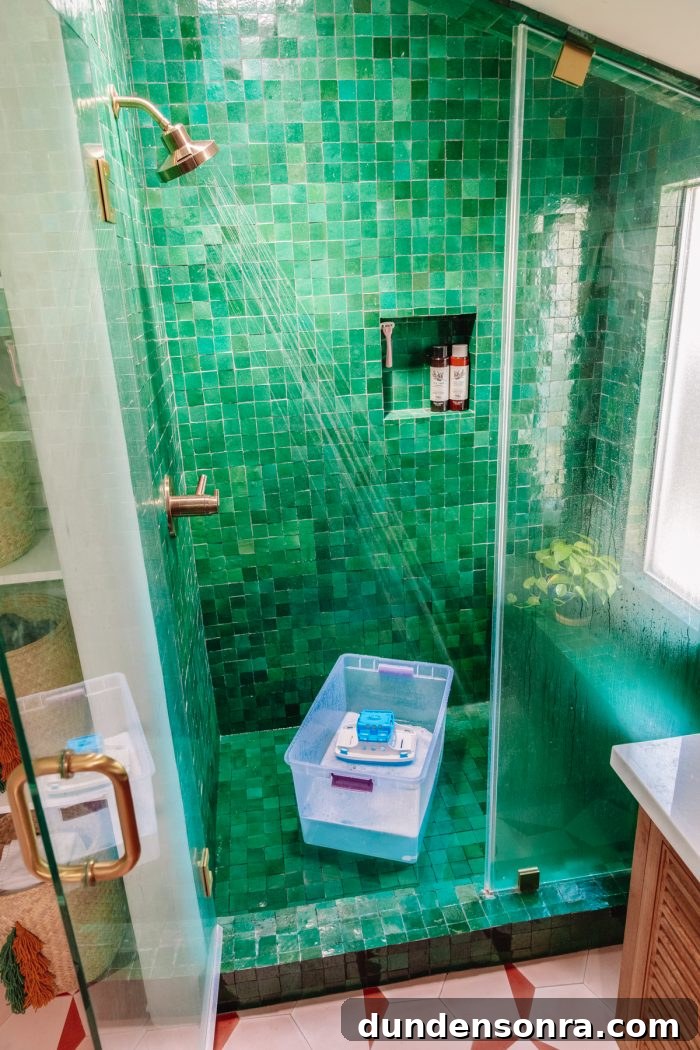
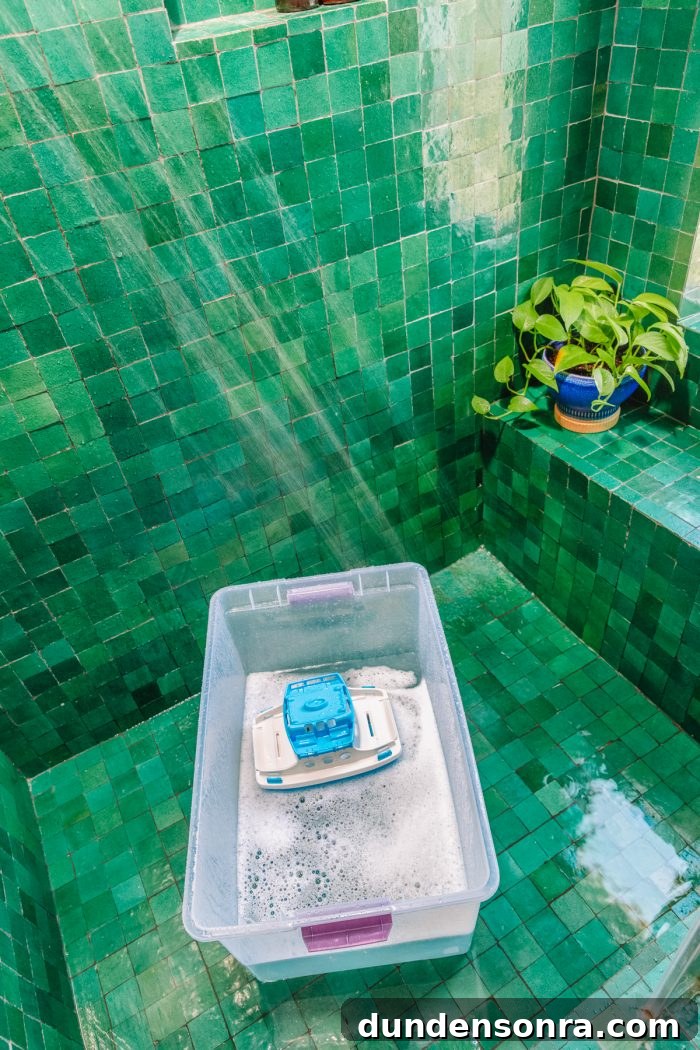
First, create a bathtub inside the shower to help your child get used to the shower environment without standing directly under the water. We used a plastic storage container placed in the stall and filled it partway with water so our son could sit and play. Let them see the container fill so they become familiar with the shower sound and stream.
Add water-safe toys and treat it like a small bath—don’t turn the shower on directly over them yet. This step lets the child experience being in the shower space while the experience still feels like a familiar bath.
Turn on the shower head during the “bath”
Next, run the shower head but aim it at the wall so your child hears and sees the water without standing directly under it. If you have a removable shower head, you can bring it closer to them at a lower pressure to make it less intimidating.
Gradually increase the amount of time the shower runs while they sit in the container. Work toward having it on for the entire “bath” so the child acclimates to the noise and pressure while still feeling secure in the container.
Practice pivoting the shower head
Once they tolerate the shower running, slowly pivot the head so the stream brushes over them while you rinse soap away. Because they’re in the container, you don’t need to keep the water directly on them the whole time. Short spurts of being under the stream help them get used to the sensation while retaining the comfort of the bath environment.
Remove the “bath” container
When your child seems ready, take the container out. Toss their toys onto the shower floor so they still have familiar distractions to play with. Angle the shower head between pointing at the wall and straight down so the pressure is less intense while they get used to moving in and out of the stream.
Many kids resist getting water on their face at first, so keep a cup or rinsing container on hand for washing hair and faces gently. Early showers may involve lots of playing beside or partially in the water while you assist with rinsing. Over time they’ll begin rinsing their body themselves, then eventually tolerate having their head under the water to wash hair.
Teaching toddlers to shower or bathe themselves
For the first year using the shower, one of us often showered with him and used that time to teach basic washing skills—how to scrub arms, legs, and hair with help. Progress is gradual; expect imperfect attempts but celebrate each bit of independence.
Now we can leave him to shower with one parent in the room to supervise and assist with any missed soap or hard-to-reach spots. He’s learned to do most of it himself and only needs occasional help.
Photos by Jeff Mindell
We’ve since regained a bathtub in the house, yet our son still prefers showering most days. This gradual, reassuring method transformed his fear of the shower into enjoyment. He can splash freely without soaking the whole bathroom, and we avoid the stress baths sometimes brought. If you’re teaching a toddler to shower, whether out of necessity or convenience, these steps can help make the shift smoother for everyone.