What to Register for When Adopting a Child: Essential Checklist
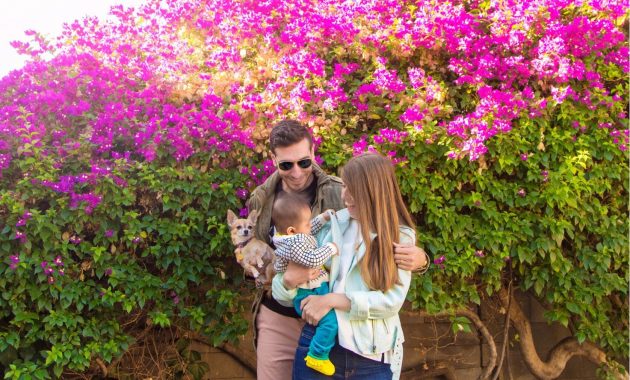
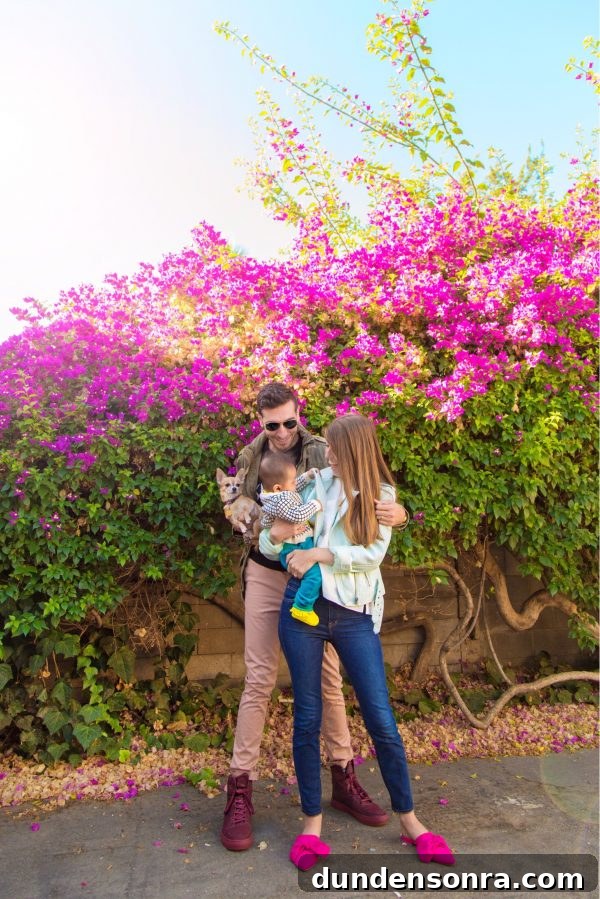
November is National Adoption Awareness Month, and in honor of that I want to share a practical registry specifically for people adopting a newborn. Adoption journeys look different for everyone. Some families eagerly prepare a nursery and buy everything up front. Others, like I was, find the waiting period so uncertain that filling the home with baby items feels painful. We wanted only the essentials we needed to welcome a baby quickly and then tuck everything away until the child was truly home.
This list is designed for those who prefer a minimal approach and for friends or family who want to give a helpful, meaningful gift when they learn you’re adopting. It focuses on the must-haves to get through the first days and weeks with a newborn.
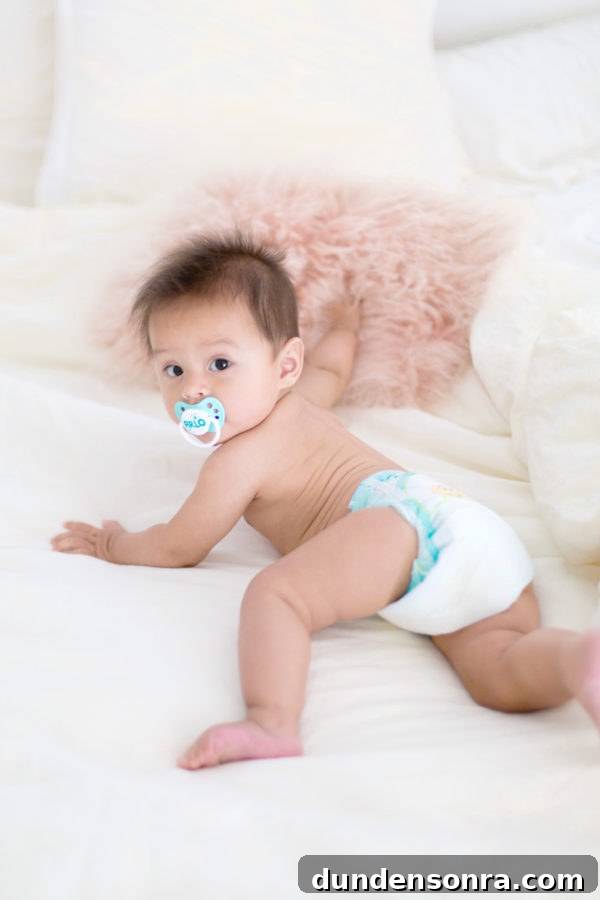
Side note: look at that tiny baby below and now the much bigger teenager he is—cue the tears.
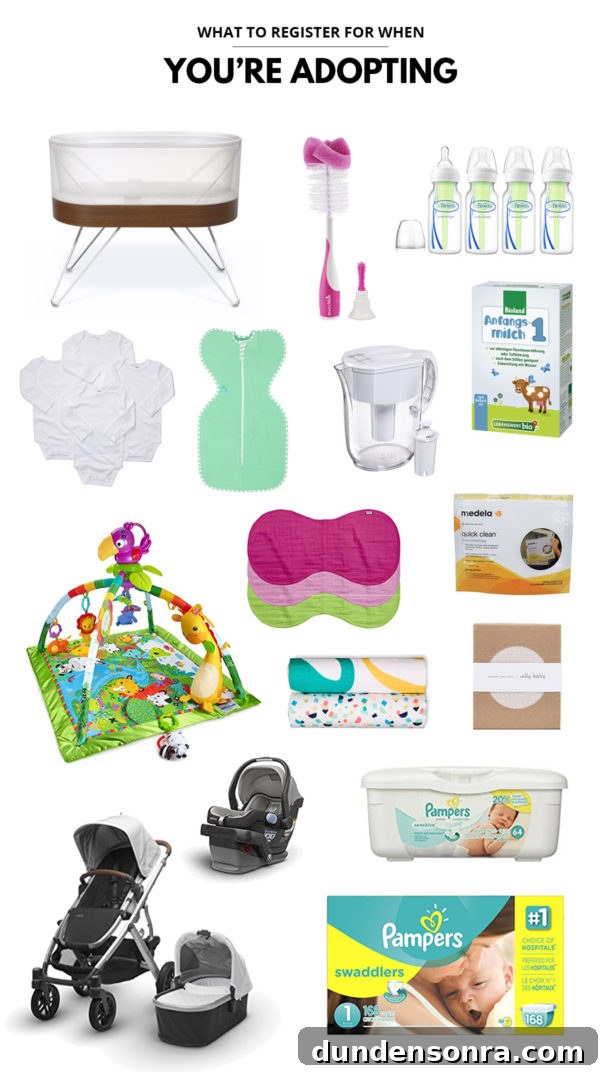
Essentials to Register For When Adopting a Newborn
Car seat + stroller base: A car seat was the only item our home study required to be present in the house (in its box) before approval. One with a stroller-compatible base is ideal. If you need something quickly, a basic model will do and you can upgrade later. Lightweight travel models are useful to keep for trips.
Diapers: We used Pampers Swaddlers and received them at the hospital—many parents recommend them. If you have an idea of the baby’s size you can start with Newborn, otherwise size 1 is a safe bet. Having a box waiting at home when you bring baby home will ease stress.
Wipes: Gentle, sensitive wipes are handy to have on hand. A couple of packages will cover those first weeks.
Bottles: We had six bottles so we could wash and prep several at once. Some families prefer fewer bottles to force regular cleaning; choose the number that fits your routine.
Formula: If bottle feeding is your plan, pick a formula you prefer and buy one container to start. Hospitals often provide some, but having your chosen brand at home prevents late-night store runs. Keep in mind babies sometimes switch formulas, so avoid purchasing excessive quantities until you see what works.
Water filter or pitcher: A countertop pitcher with filtered, room-temperature water saved time when preparing bottles. Check with your pediatrician about whether boiling is required for your water source.
Bottle brush: A good brush reaches the small nooks and ensures bottles get thoroughly clean.
Steam sterilizer bags: Microwave steam bags are convenient for sterilizing bottles and small accessories after washing, especially in the early weeks.
Burp cloths: Newborns spit up frequently—having several burp cloths on hand is essential.
Place for baby to sleep: If you’re not setting up a full nursery, a bassinet is a compact, portable option that fits beside your bed for those first months.
Swaddle sack and swaddle blankets: Swaddle sacks simplify the swaddling process. A few lightweight swaddle blankets are versatile for warmth, car rides, stroller covers, or quick clean surfaces.
Baby wrap / carrier: Especially important if you travel home by plane, a soft carrier is also invaluable at home: it soothes many babies and gives you hands-free bonding and skin-to-skin time.
Play gym: Not strictly essential, but a small play gym provides a safe, engaging place to set baby down during short awake periods.
Long-sleeve white onesies: Simple onesies are practical and comfortable for the first weeks. Babies outgrow newborn clothes very quickly, so basic white onesies are an efficient choice.
Adoption fund: Adoption can be expensive. For friends and family who want to help, contributing to an adoption fund or crowdfunding page is an impactful option to support fees and related costs.
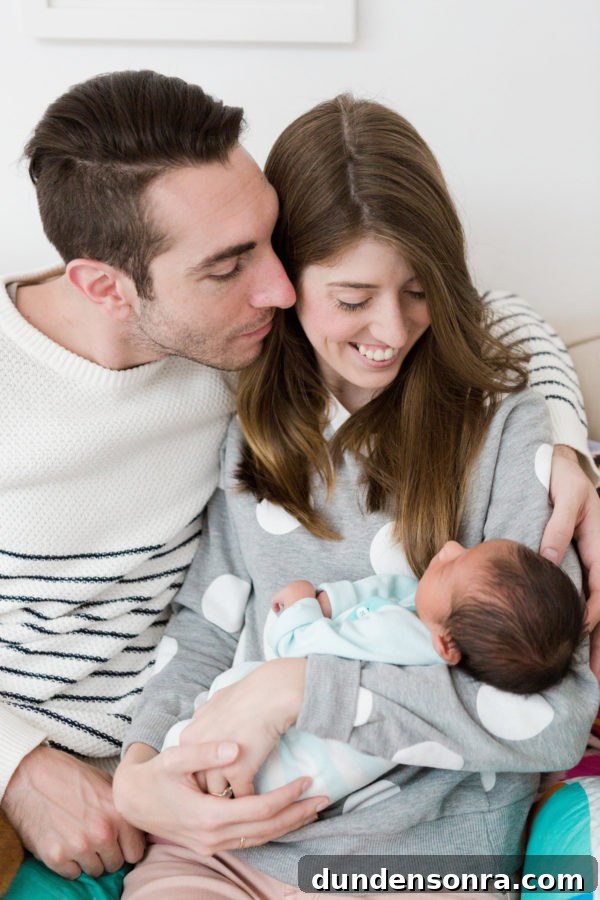
Couldn’t resist one more photo of how small he was.
Final Thoughts
Keeping things minimal allowed us to learn more about our baby before investing in many larger items. This pared-down registry helped us face a quick arrival with confidence and avoided clutter during a long wait. Every adoption is unique, but these basics are a reliable starting point for bringing a newborn home.
For those who’ve adopted: did you prefer to prepare the home early or take a minimal approach like this? I’d love to hear what worked for you.