
This year I committed to reducing my environmental footprint with simple, practical changes that add up over time. The idea of living more sustainably felt intimidating at first — maybe it does to you too — and the “all or nothing” approach can be discouraging. Instead of letting guilt stop me, I made a realistic list of swaps to work through gradually. Sharing it here in case it helps you, and in case you have tips to share back. Small consistent steps from many people create real impact.
Sustainable Swaps + Changes I’ve Made
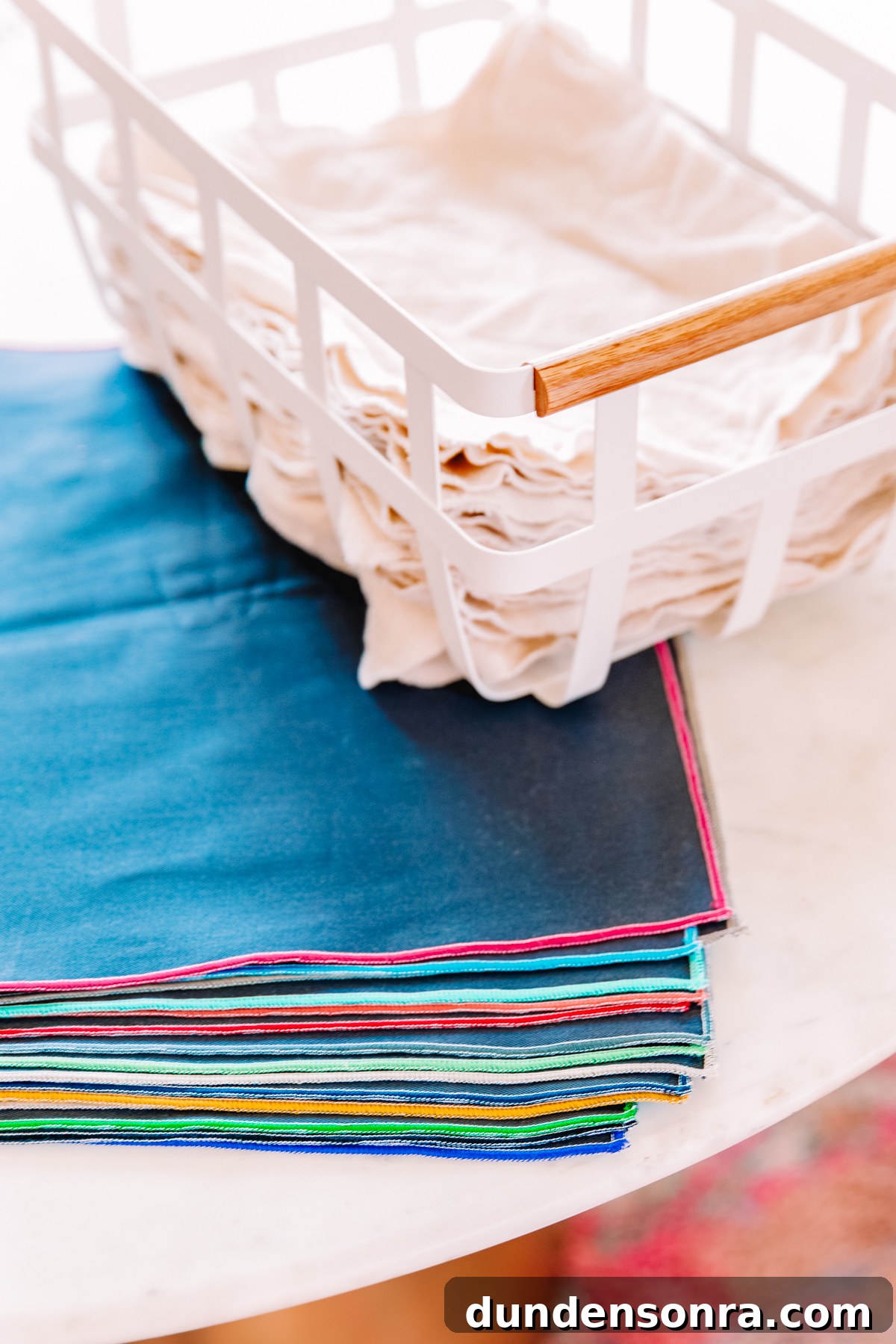
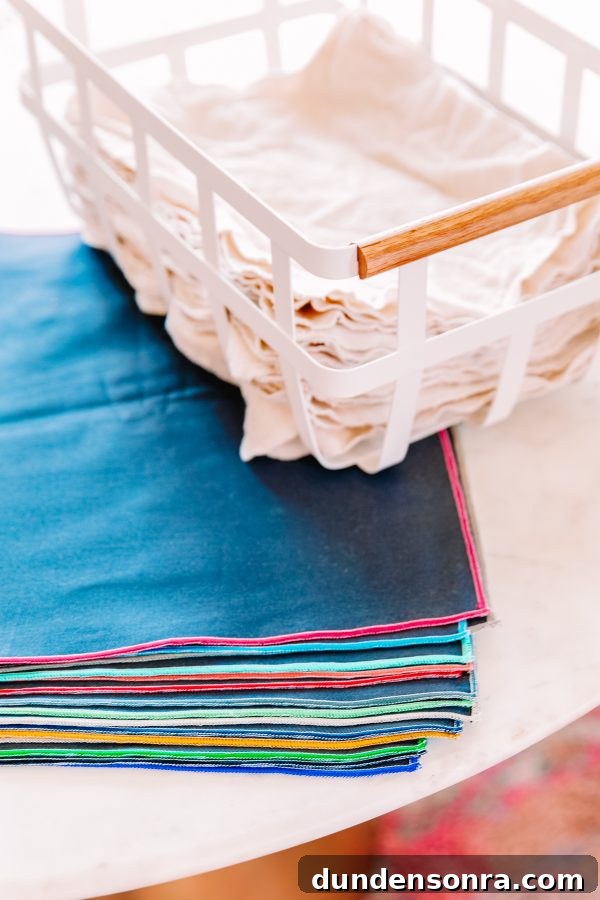
Reusable Towels: In February 2020 we replaced disposable paper towels with reusable “unpaper” towels. The change was far easier than expected and has saved a lot of waste and money. We keep clean and dirty towels in separate kitchen drawers, rinse major stains before storing the dirty ones, and wash the collection once or twice a week on hot. It’s efficient and sustainable.
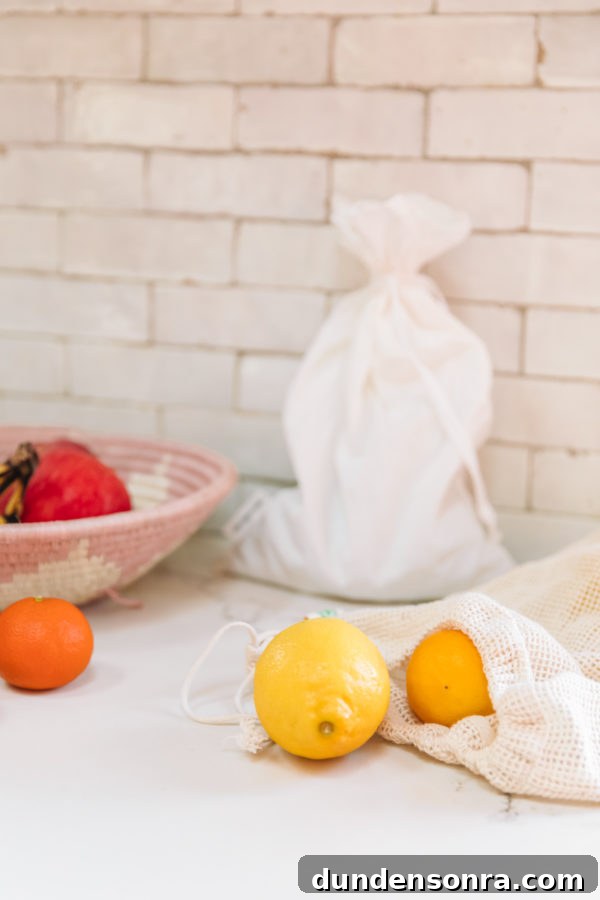
Reusable Bags: We keep reusable grocery and produce bags in the car for shopping. It’s not perfect, but having dedicated bags for large trips and smaller produce/bulk bags has cut down on single-use plastic significantly.
Food Containers & Storage Bags: Glass food containers and silicone zip bags replaced many disposable options for everyday storage. I’m still exploring durable freezer replacements for zip bags, but for most food storage these reusable options work well.
Lunch Containers: Nearly all of my child’s school lunches use reusable containers instead of disposable wrappers. The school appreciates the reduced cleanup, and it’s a simple habit that keeps waste low.
Cotton Swabs: Switching to washable, reusable cotton swabs eliminated a common single-use item from our bathroom waste. They clean and dry easily and last a long time.
Dryer Balls: Wool dryer balls replaced disposable dryer sheets in our laundry routine. They reduce static and drying time without added chemicals or single-use waste.
Water Bottles & Coffee Tumblers: We replaced disposable drink containers with reusable water bottles and a coffee tumbler for on-the-go use. Bringing them out reduces the temptation to buy single-use cups and bottles.
Sustainable Swaps + Changes I’m Working On Right Now
Cutting Single-Use Plastic: Becoming aware of how many items are unnecessarily wrapped in plastic has changed my shopping habits. I try to choose produce and snacks with minimal or no packaging. Berries are a particular challenge because they often come in plastic clamshells; I’m looking for durable, reusable containers that fit berries so we can avoid taking home plastic packaging.
Eating Fewer Animal Products: Animal agriculture has a big environmental footprint, so I’m intentionally choosing more plant-based meals. We have at least one vegan night a week and several vegetarian meals. I still enjoy cheese and eggs, but reducing animal products even modestly — for example one meal a day — seems like a meaningful, achievable step.
Cleaner Beauty & Hygiene: When skincare or makeup products run out I try to replace them with cleaner alternatives. I’ve switched mascara, eyeliner and deodorant so far and will continue updating products when the old ones finish. I’m currently exploring cleaner options for toothpaste, powder and concealer.
Less Overall Waste: I’m working on bringing fewer short-lived items into our home and reusing products whenever possible. The goal is to reduce clutter and the volume of waste we generate.

Sustainable Swaps + Changes I Want To Make
Shop the Farmer’s Market: We often visit the farmer’s market and don’t buy much. I want to plan better — bring bags and cash and a shopping list — so we actually buy local produce more often. Supporting local farmers reduces food miles and packaging.
On-the-Go Flatware: I want a portable flatware set to avoid single-use utensils when eating out. It’s a small addition that can cut down on a lot of disposable plastic waste.
Replace Makeup Wipes: I rely on disposable makeup wipes for convenience but plan to switch to reusable cloths or other non-disposable makeup removers, like micellar water with a reusable cloth, to eliminate that frequent waste stream.
Composting: We plan to set up composting at home. It feels a bit daunting, but composting food scraps will greatly reduce household waste and return nutrients to the soil.
Learn Proper Recycling: I want to take a recycling course or class to understand what can be recycled, how to prepare items correctly, and how to avoid contamination. Proper recycling keeps more materials in circulation and reduces landfill waste.
Bulk Buying: Buying staples like cereal, flour and nuts in bulk reduces one-time packaging. I already buy some items in bulk and want to expand this practice for many pantry staples.
Refill Stations & Stores: I’m planning to try refill stores that let you bring containers for household cleaners, shampoos and other products. Refilling avoids single-use bottles and lets you try concentrated options.
Silicone Baking Mats: We used to have silicone baking mats and need replacements, including options that fit a small toaster oven. Reusable mats reduce the need for parchment paper and disposable liners.
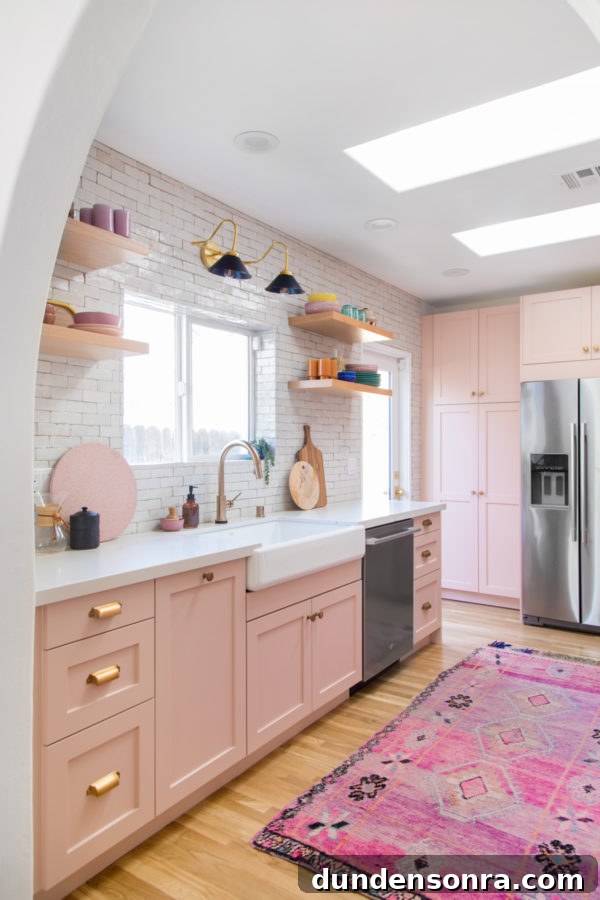
Photos by Jeff Mindell
I’ll update this list as I adopt more changes. I’m excited to keep improving our habits and would love to hear what changes you’ve made or plan to make. Sharing tips helps all of us move toward more sustainable daily routines.