Color has a huge impact in any room, and it’s especially influential in a child’s space as they learn and explore every day. Rainbows are a joyful symbol of hope and acceptance, and they’re particularly meaningful for families welcoming a rainbow baby.
A rainbow-themed nursery can take many forms: bright and bold, or soft and muted. Depending on your aesthetic, you can go all-in with color on multiple walls or choose a few statement pieces that make the room pop.
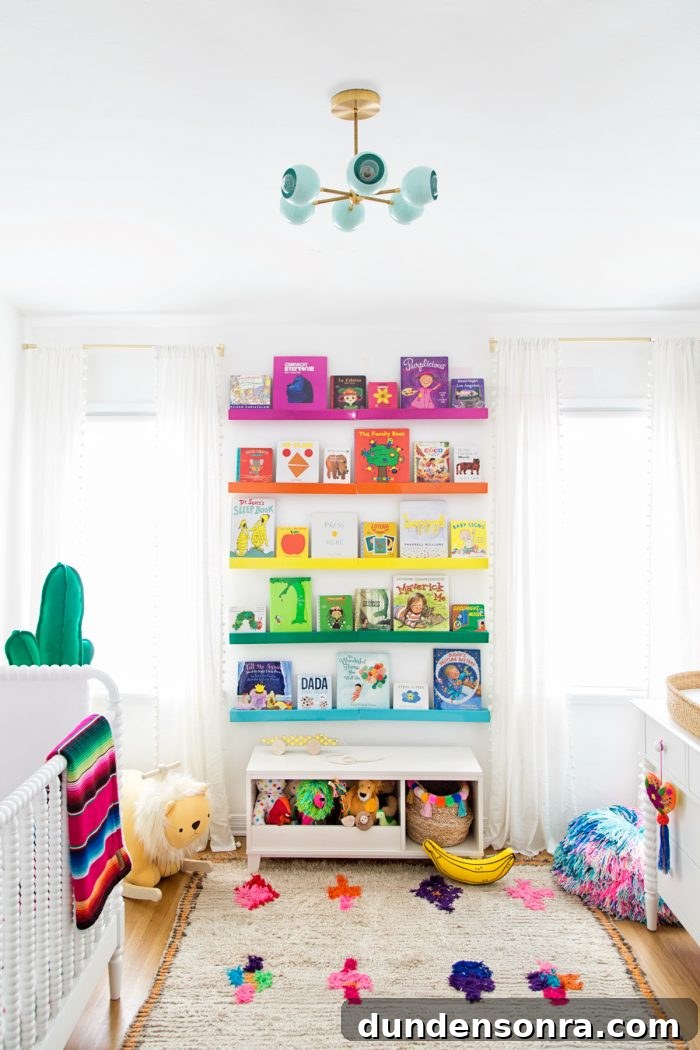
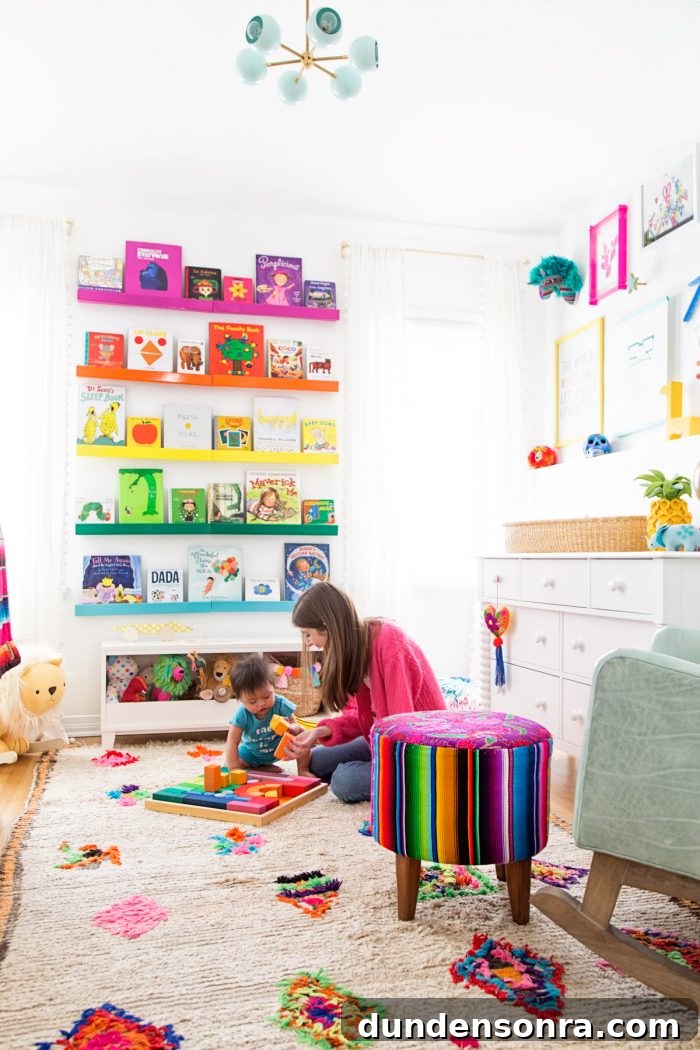
This rainbow nursery is inspired by my son’s room. It’s filled with color, culture, and playful details. Keep reading for practical ideas and sources of inspiration if you’re planning your own rainbow nursery.
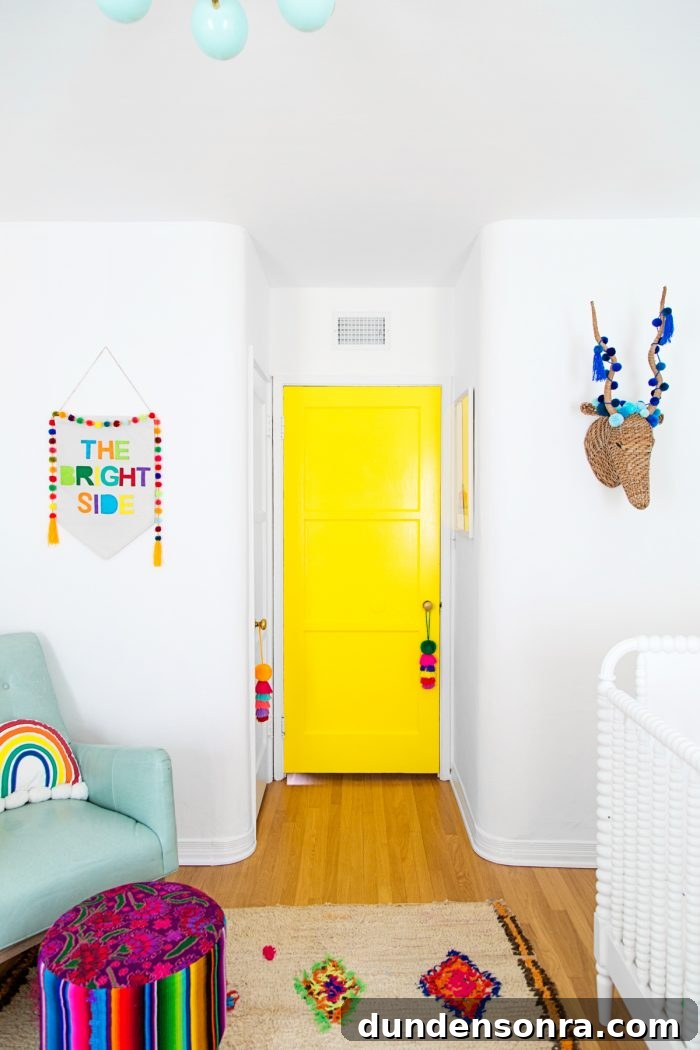
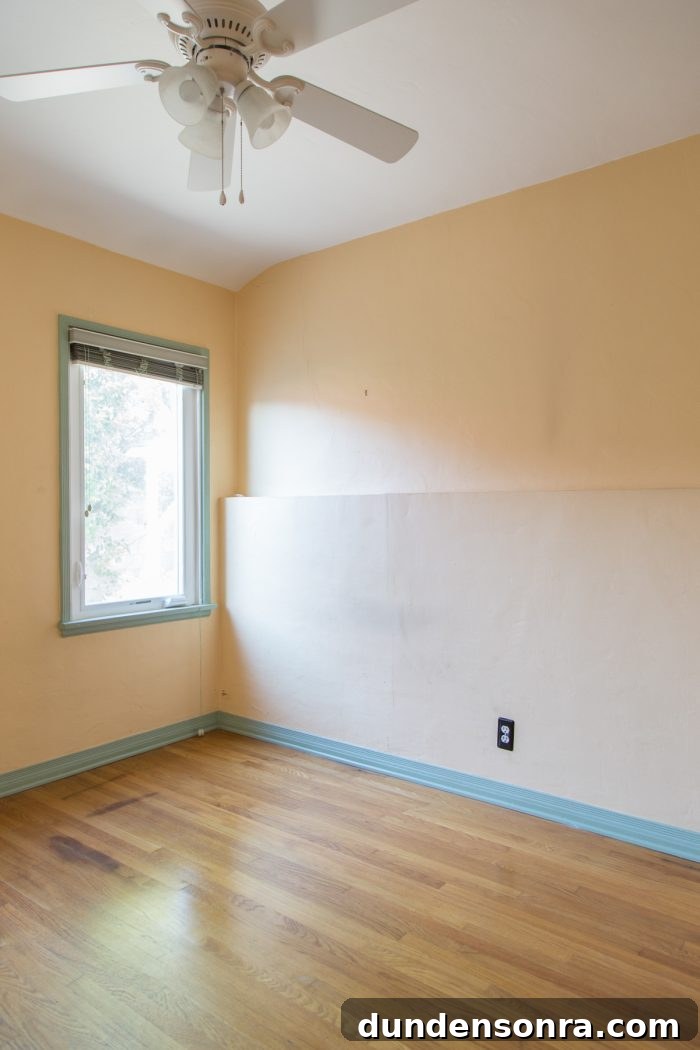
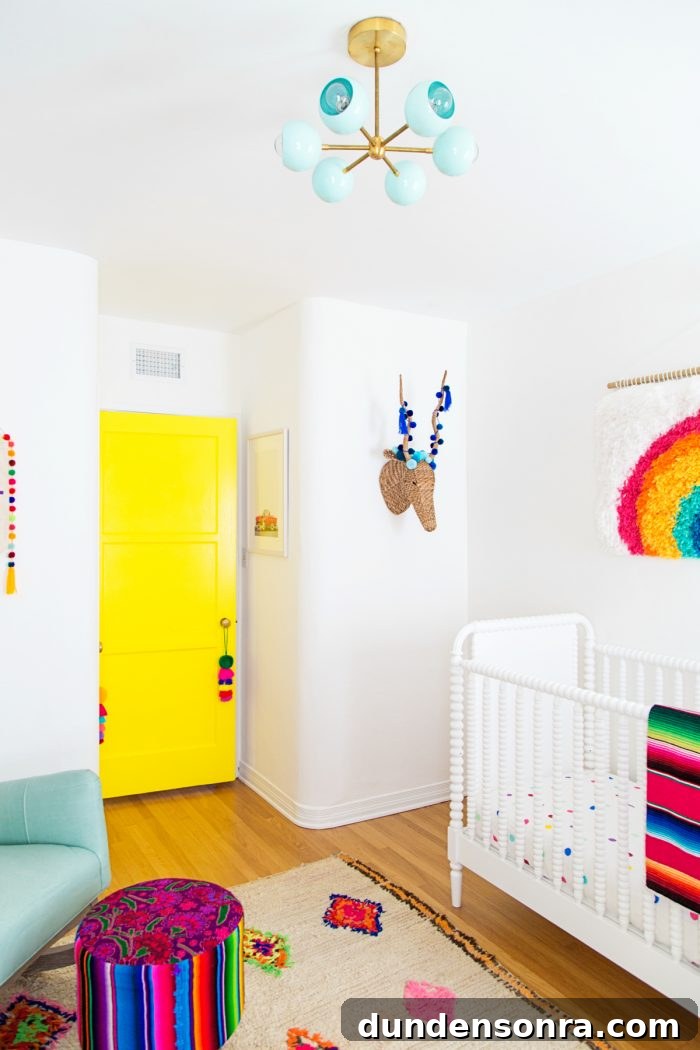
I started with bright white walls to create a blank canvas for color. The door is painted a cheerful yellow called “Highlighter,” which brings warmth and an immediate sense of cheer to the room.
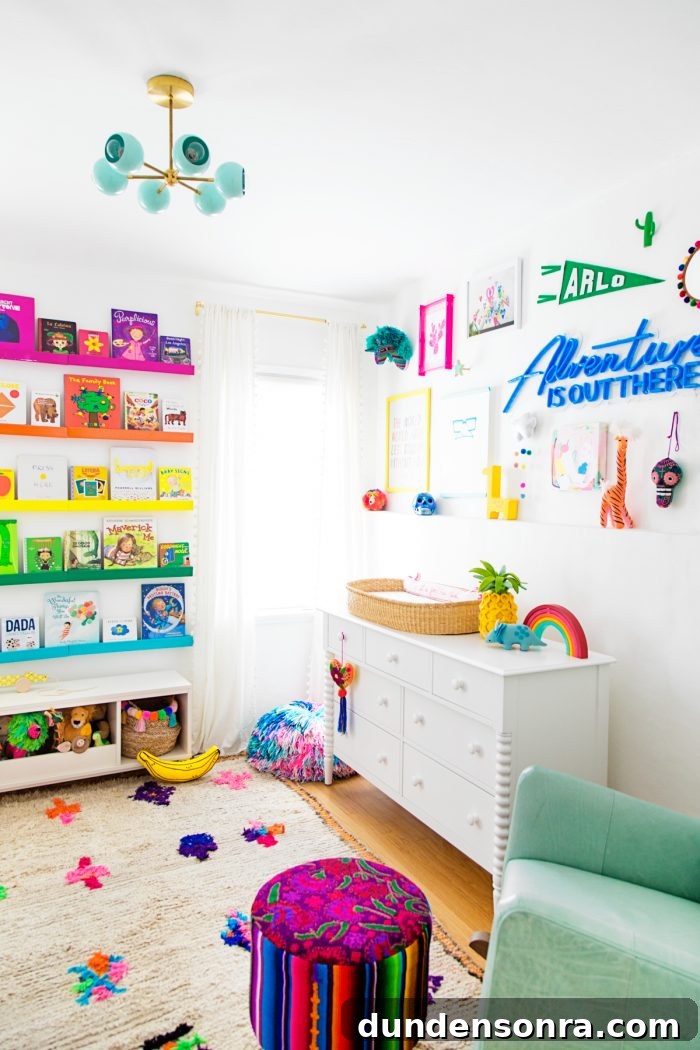
How do I set up the perfect nursery?
The perfect nursery is one that suits your family’s needs and feels comfortable for both you and your child.
For smaller rooms, avoid overcrowding. Keep the space open and airy, then add a few colorful pieces to create personality without making the room feel cramped.
For larger rooms, plan the layout and create a mood board. Start with essential furniture, then layer in decorative elements until the room feels balanced and complete.
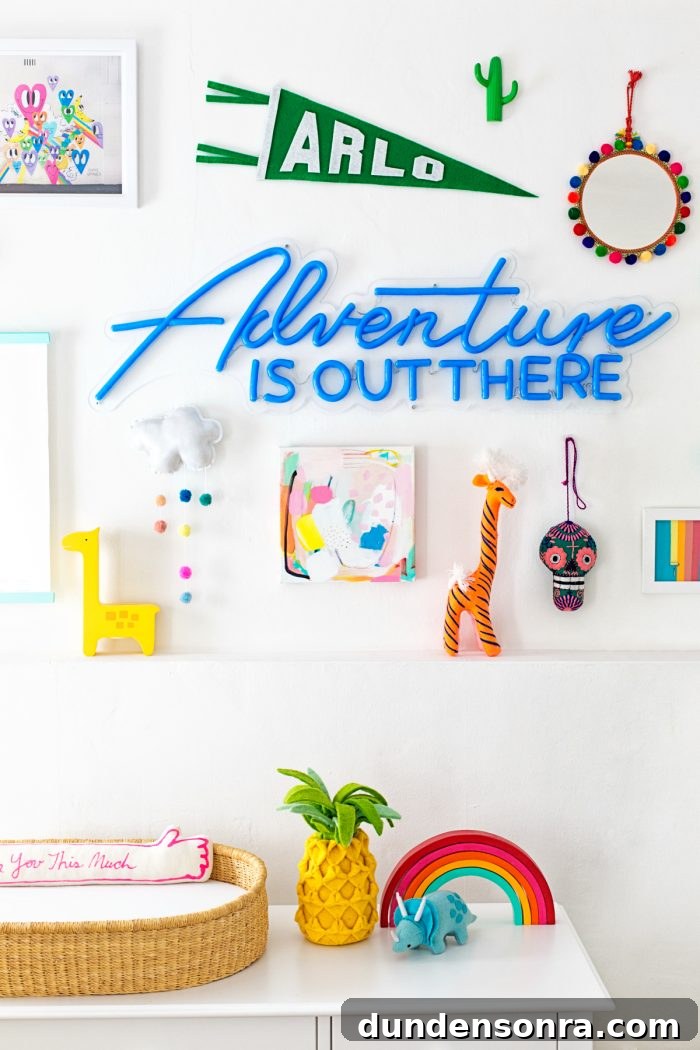
Rainbow Art
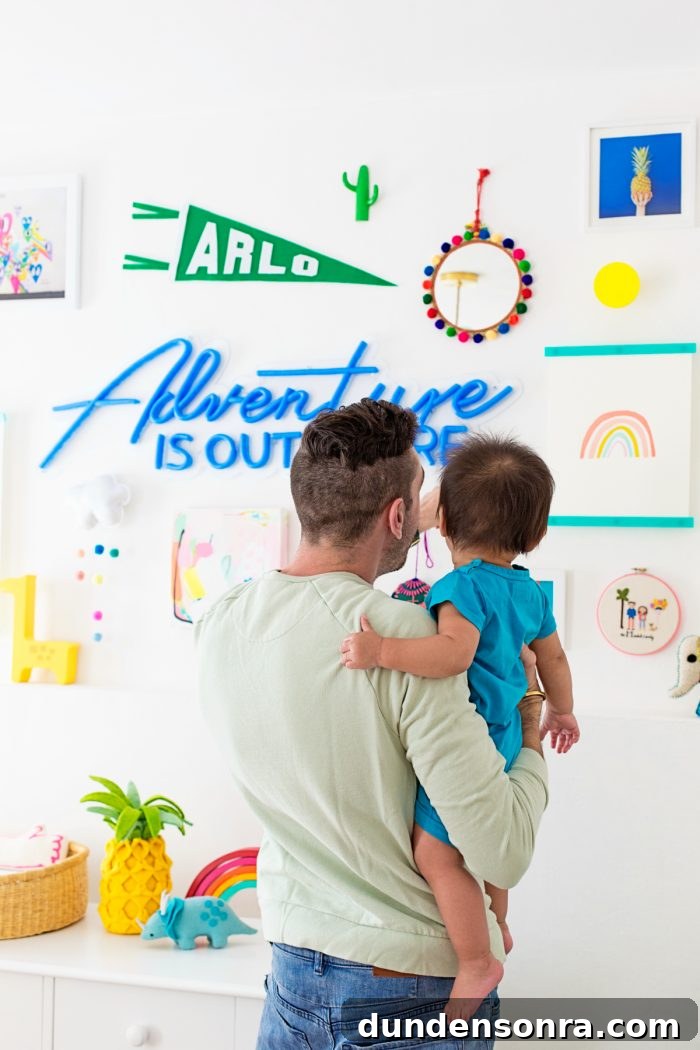
Art and gallery walls are an excellent way to add color and showcase sentimental items. Use different styles, but repeat a few key colors across pieces so the display feels cohesive.
A gallery wall in a kid’s room can be centered around a special item like a neon sign or a favorite print. Choose pieces that reflect your family’s taste and experiences for a personal touch.
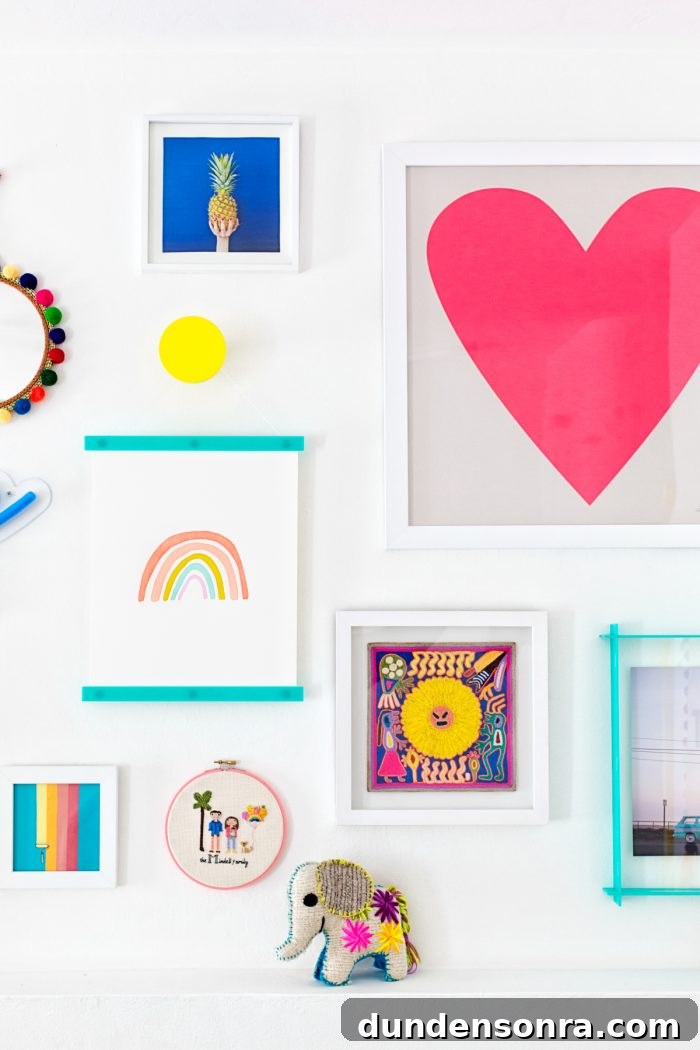
Other accent wall ideas include rainbow wallpaper, watercolor dot decals, tapestries, or DIY projects like a painted stripe wall or a rainbow photo collage. These options let you customize scale, color intensity, and texture.
Rainbow Bookshelves
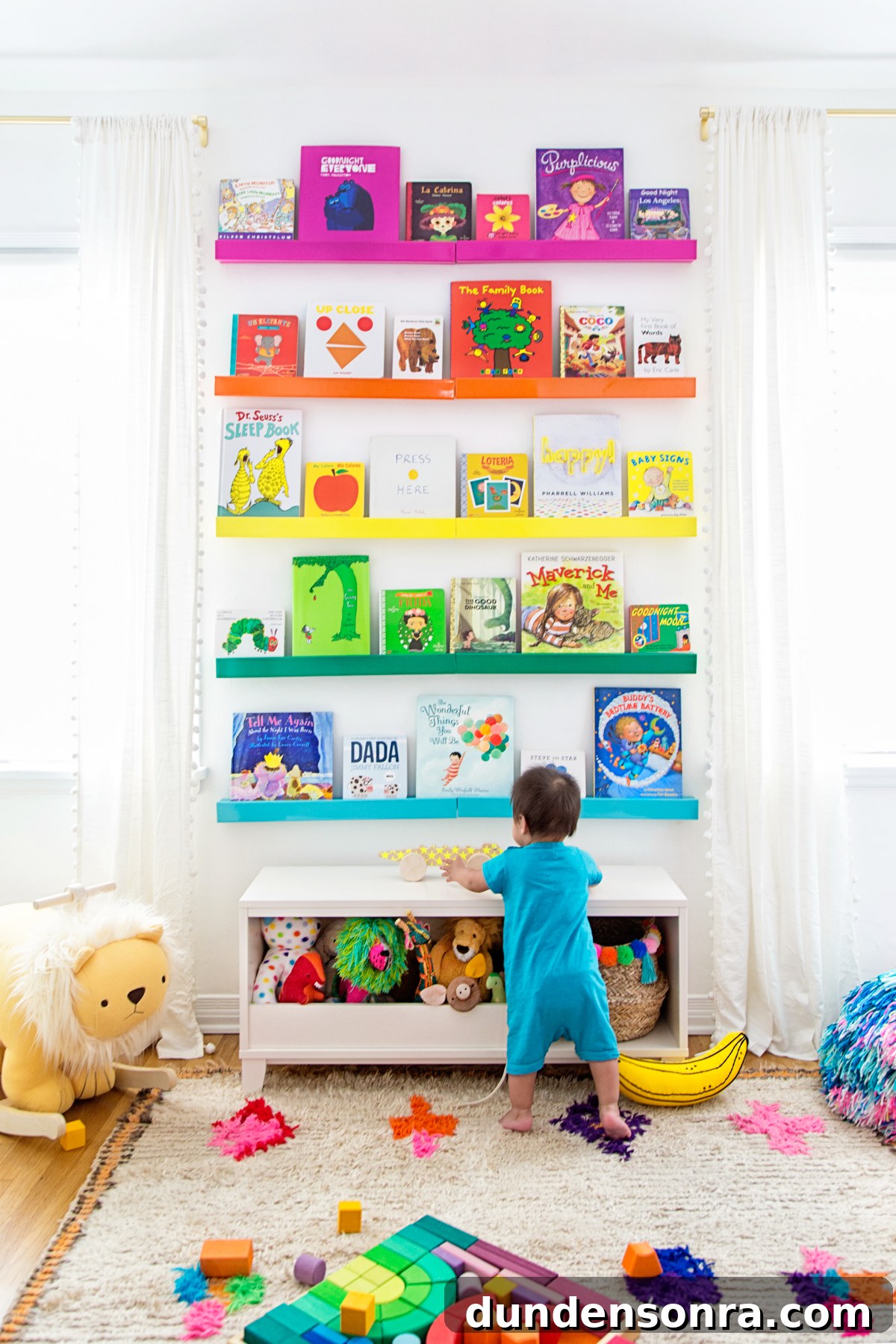
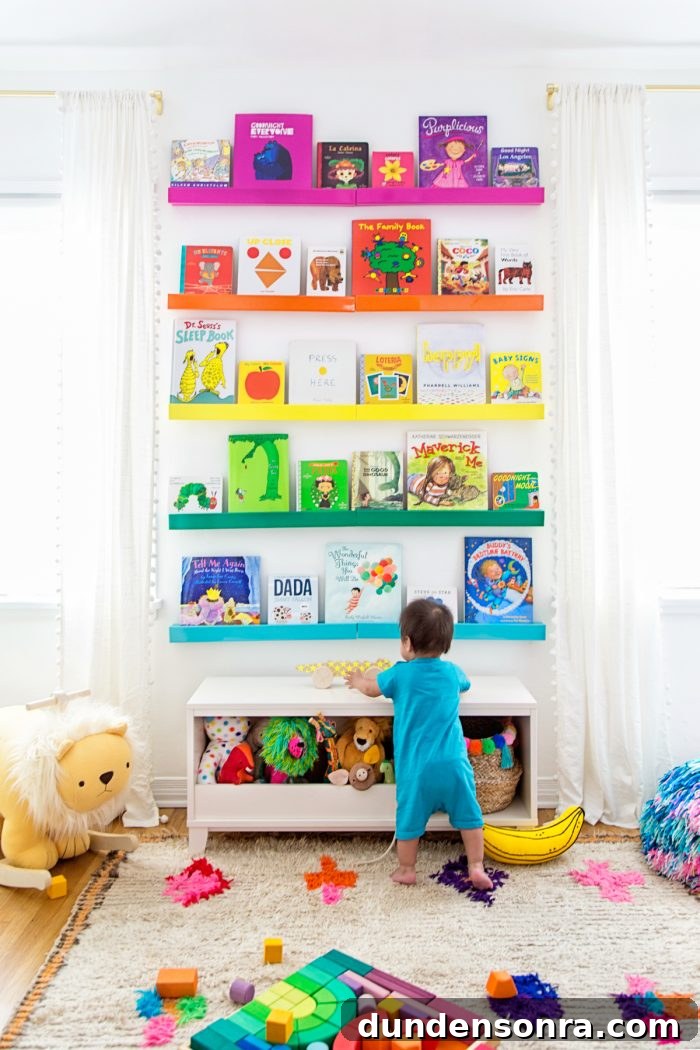
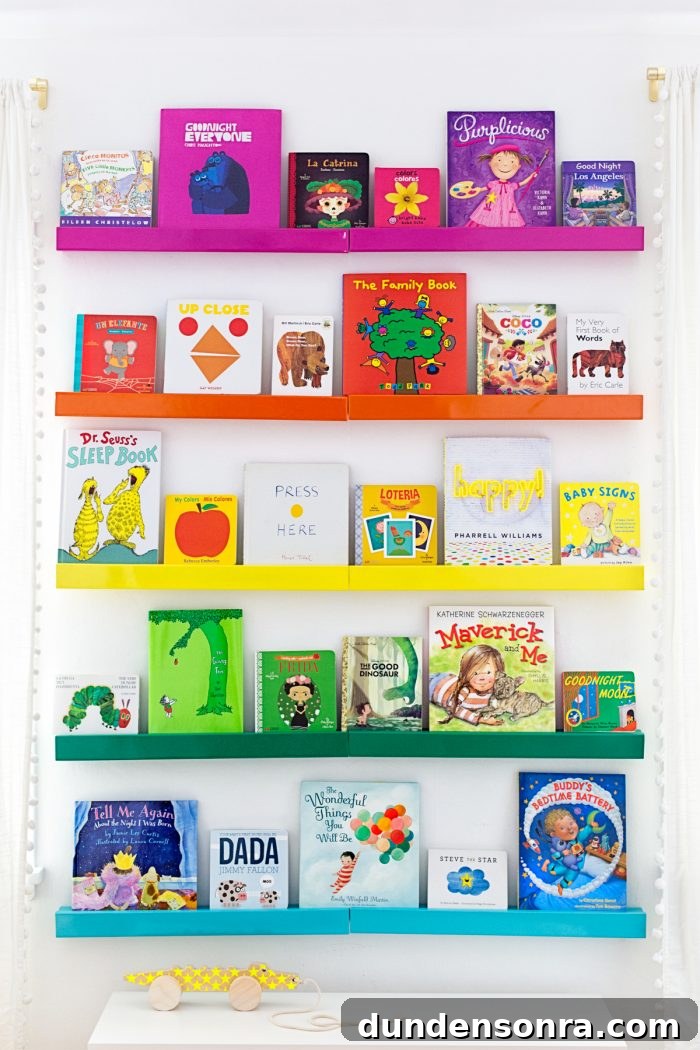
Children’s books are naturally colorful, so arranging them on shelves by hue creates a playful library that doubles as wall color. Rainbow bookshelves can be DIY projects or purchased ready-made.
Sort books by color and rotate selections seasonally—holiday books or themed stories can be swapped in to keep the display fresh and engaging.
Check out curated lists of favorite children’s books by age to build a colorful and thoughtful collection.
What kind of furniture should you put in a rainbow nursery?
Choose larger furniture in white or neutral tones so colorful accents and decor can stand out. Neutral bases keep the space grounded and prevent visual clutter.
Add one or two smaller colorful pieces—like a chair, ottoman, or rug—as accents. Quality furniture is worth the investment since it will last through different stages and rooms.
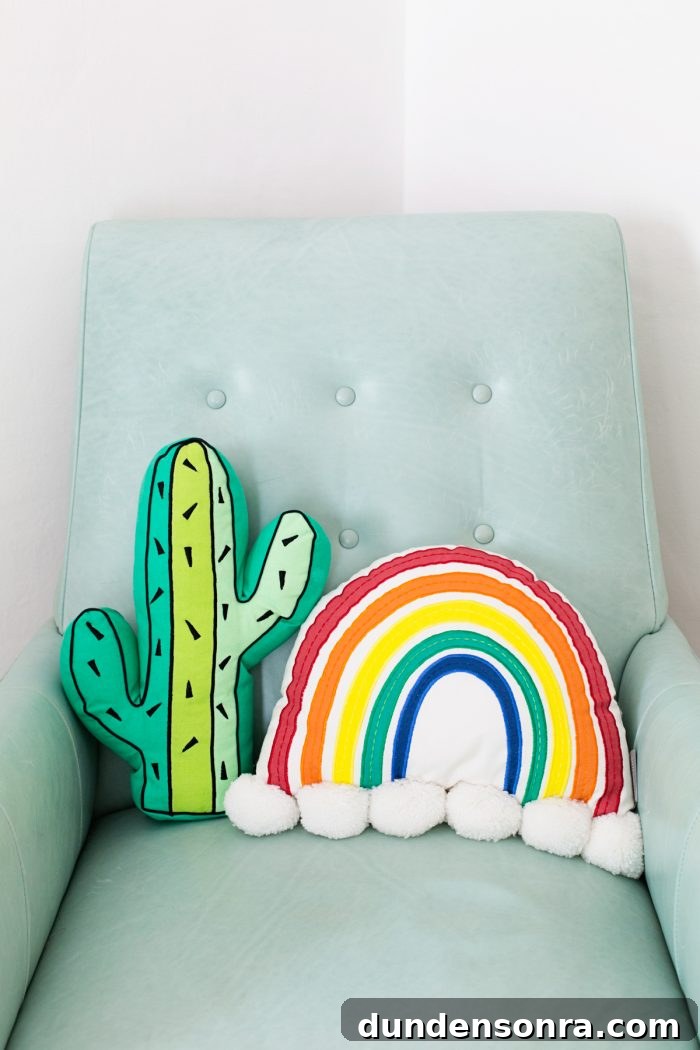
I paired a mint-green rocking chair with a vibrant footstool made from Guatemalan and Mexican textiles. Including textiles or furniture from your family’s culture is an organic way to make the room feel meaningful.
Should you get a changing table or dresser?
A dresser is usually more practical than a standalone changing table. It provides long-term storage and grows with your child. Placing it under a gallery wall lets little ones look up at art while exploring toys or stuffed animals.
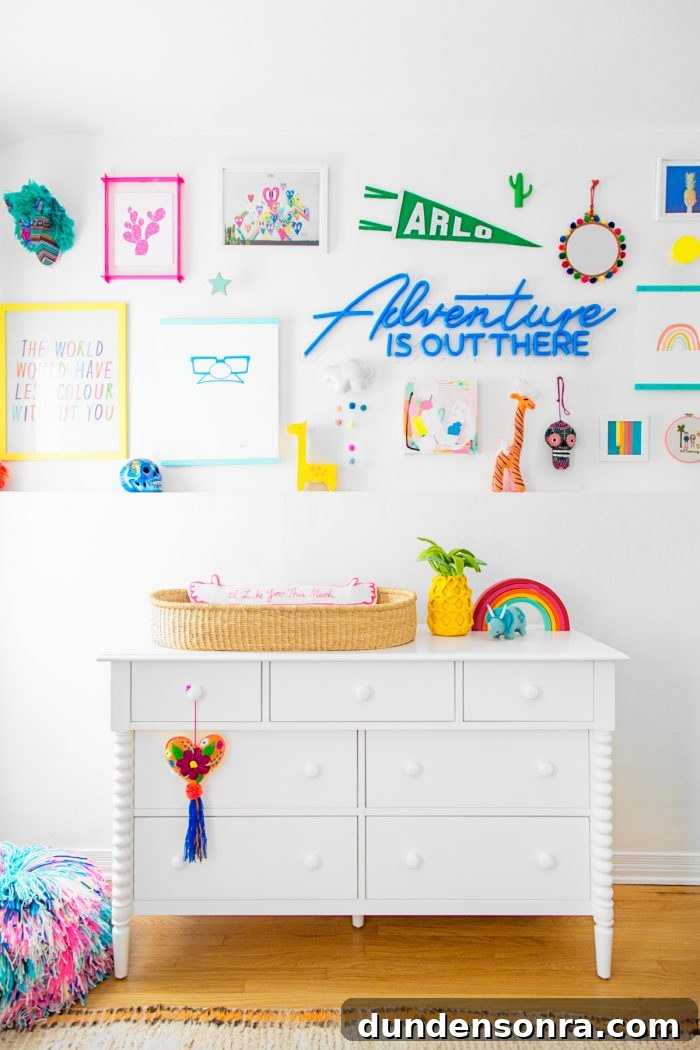
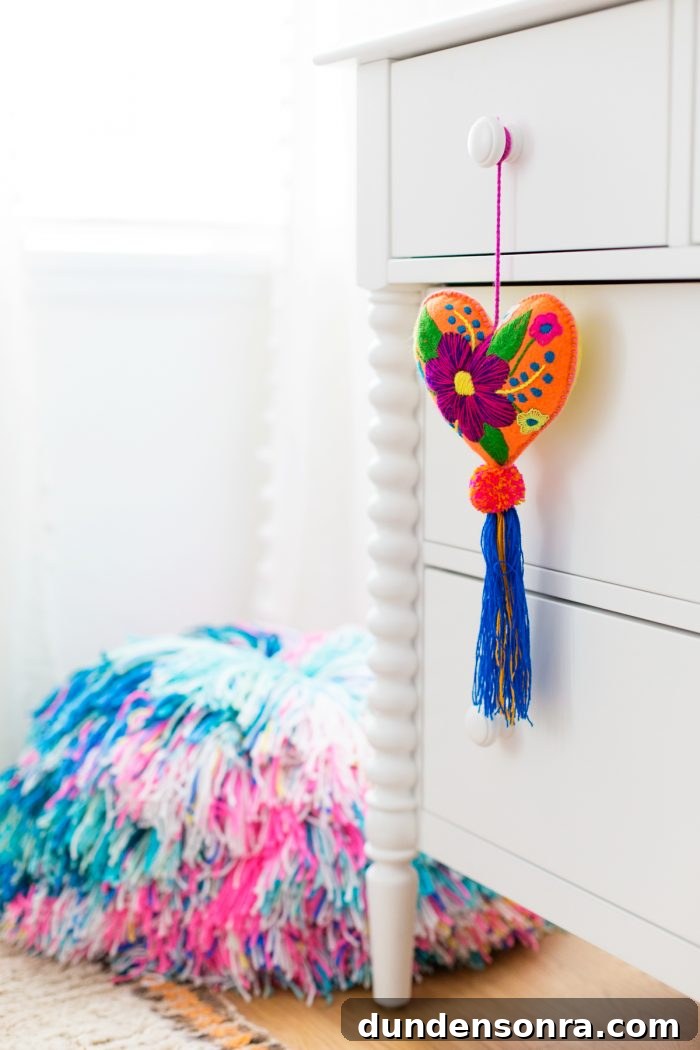
If you need additional storage, consider stackable benches or storage units that double as seating. Small accessories—charms, pom-poms, and stuffed animals—are easy ways to add color to drawers and shelving.
Rainbow bedding
Bedding is another easy way to introduce color. Choose colorful sheets or blankets if you want bold accents, or opt for neutral bedding and layer colorful throws and pillows for flexibility.
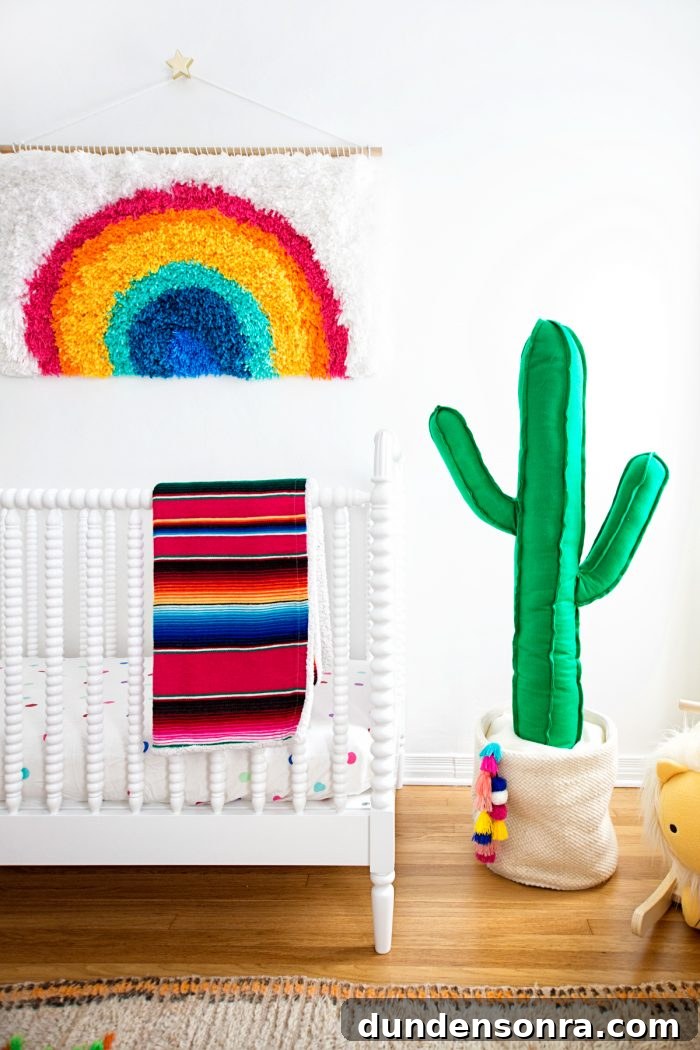
Colorful sheets look lively against a classic white crib. Use high-quality mattresses and mattress pads for comfort and safety.
Rainbow decor and DIY ideas
Nurseries are ideal for showcasing DIY projects. Handmade items bring texture and personality to the room.
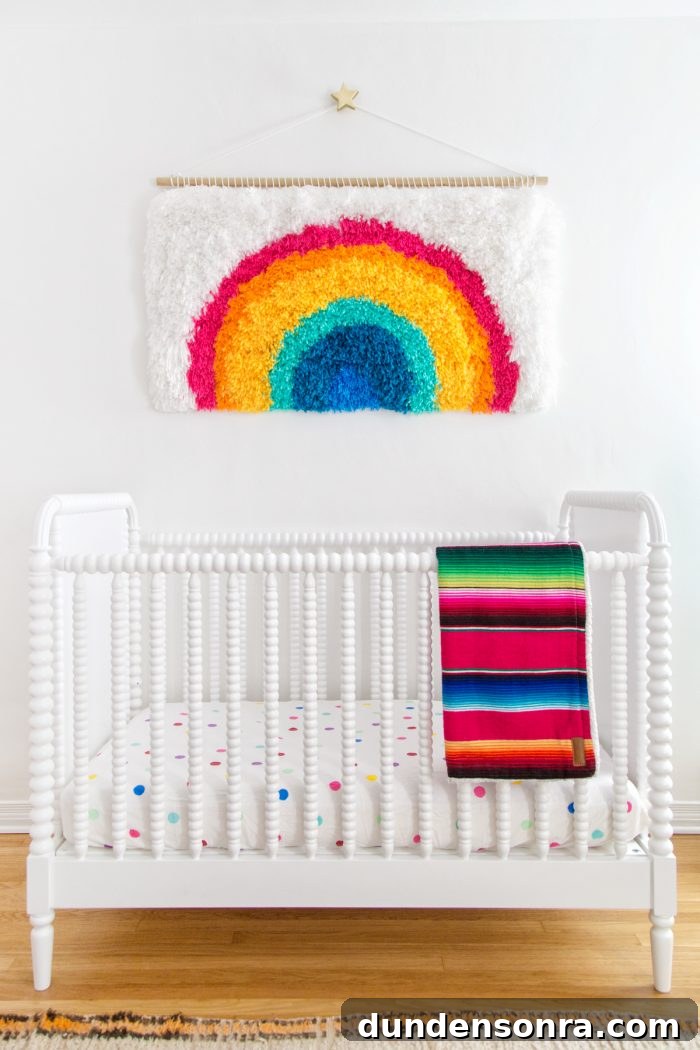
Try a latch-hook wall hanging or a no-weave textile wall piece for a soft, tactile rainbow accent. Large-scale DIY elements like a plush cactus or oversized wall hangings can fill empty walls with whimsy and color.
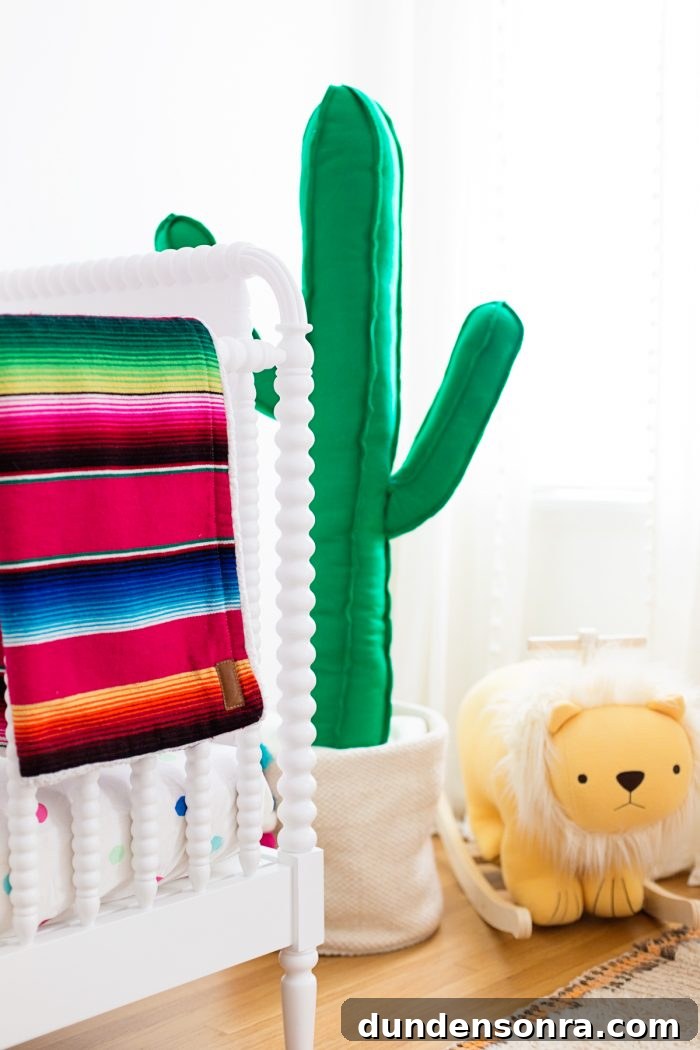
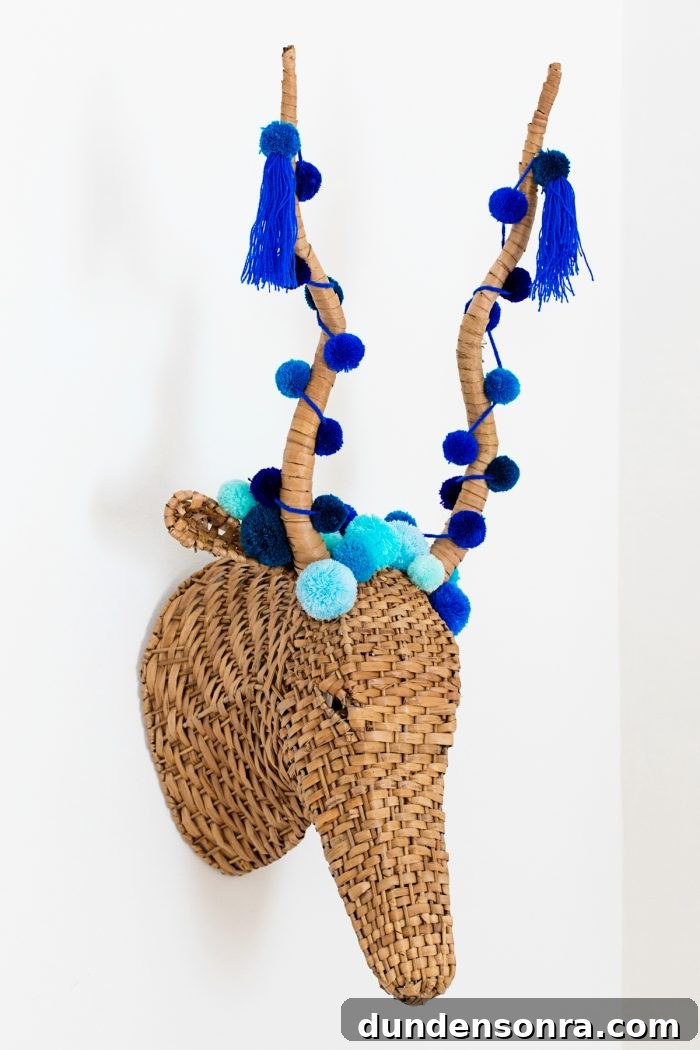
Natural pieces, like a rattan animal head, can balance colorful elements and introduce organic texture. Add pom-pom crowns or garlands for extra playful detail.
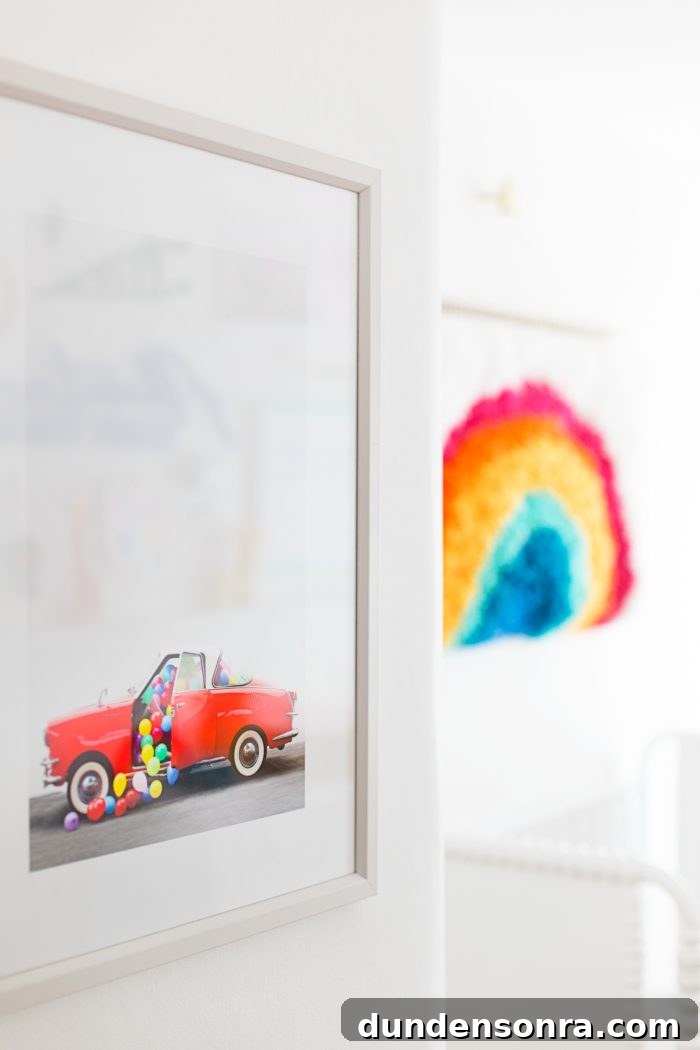
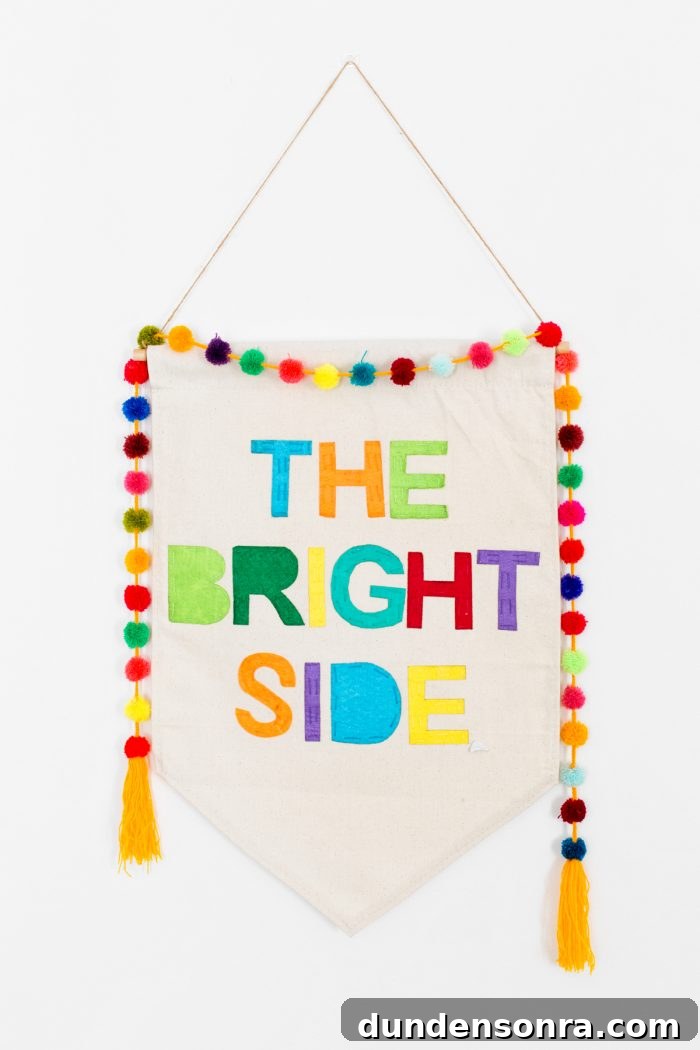
A bright welcome print or sign at the room entrance signals the colorful experience inside and sets a joyful tone from the moment you open the door.
Photos by Jeff Mindell
A child’s nursery should feel welcoming and reflect the people and memories that matter to your family. Thoughtful touches—whether handmade, gifted, or collected—help make the room feel warm, personal, and full of color.