
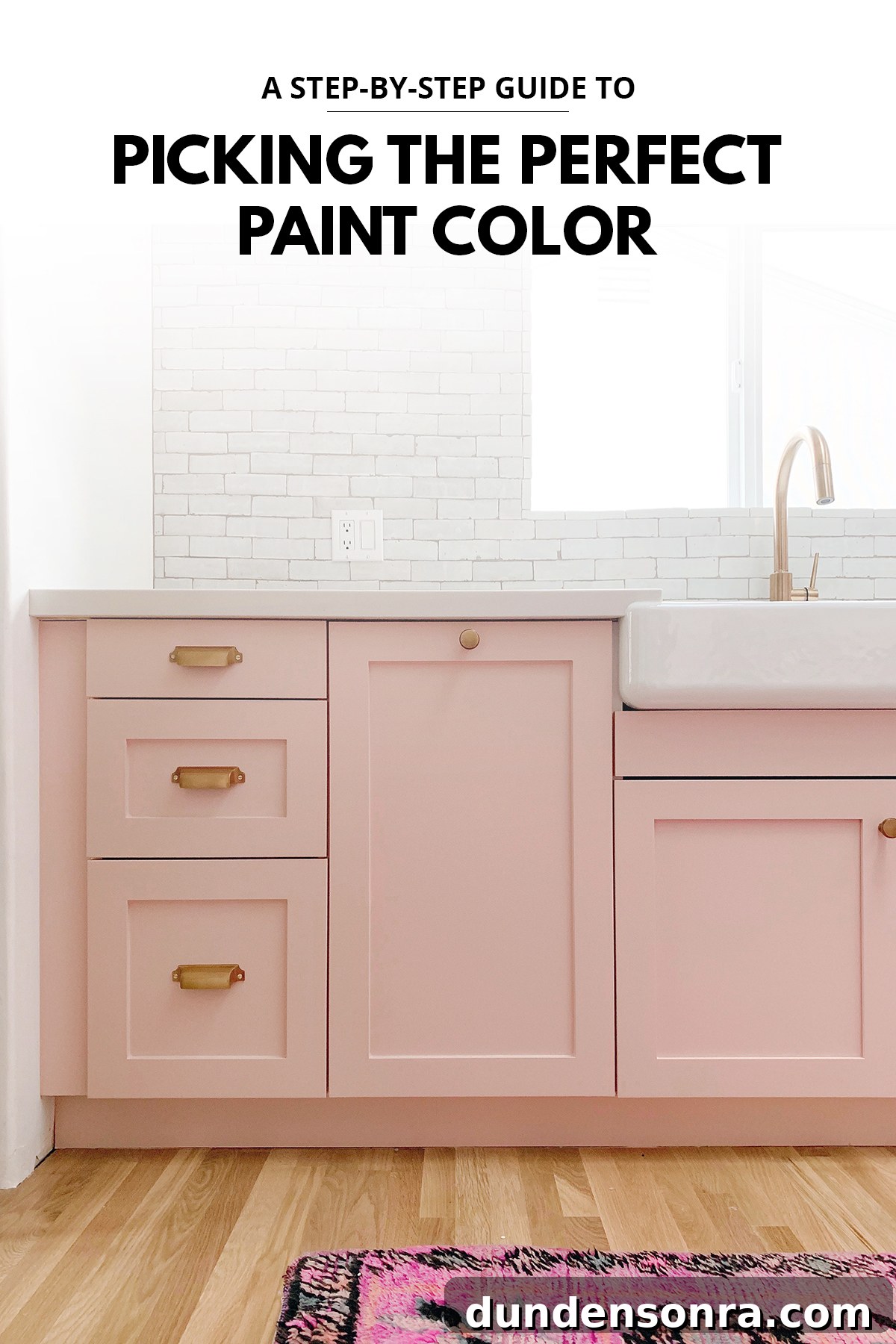
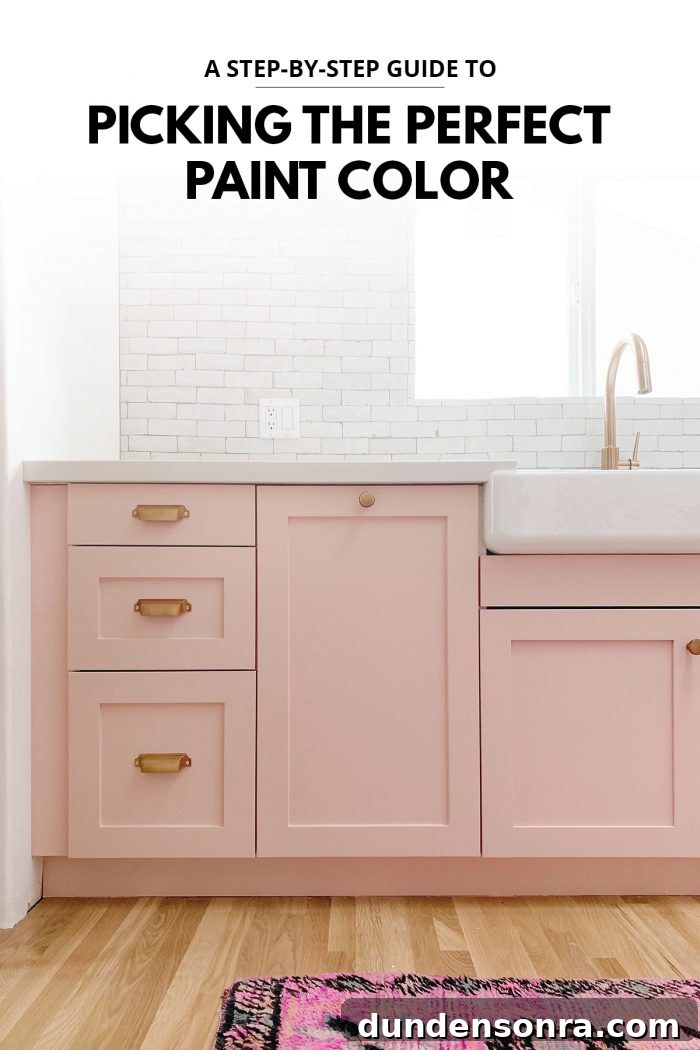
After the great kitchen journey of 2019 and the final reveal, I learned several important lessons about choosing paint colors. Today I’m sharing that knowledge so you can avoid mistakes and pick a color that actually works in your space. Choosing paint is far more than grabbing a two-inch chip and ordering gallons—lighting, floors, and surrounding finishes all change how a color reads. These steps will help you feel confident before you commit.
No paint color looks the same in two rooms, even within the same house. Fortunately, there are practical ways to test and evaluate colors so you can be as certain as possible the shade will look great once it’s on your walls or cabinets. Let’s walk through the process.
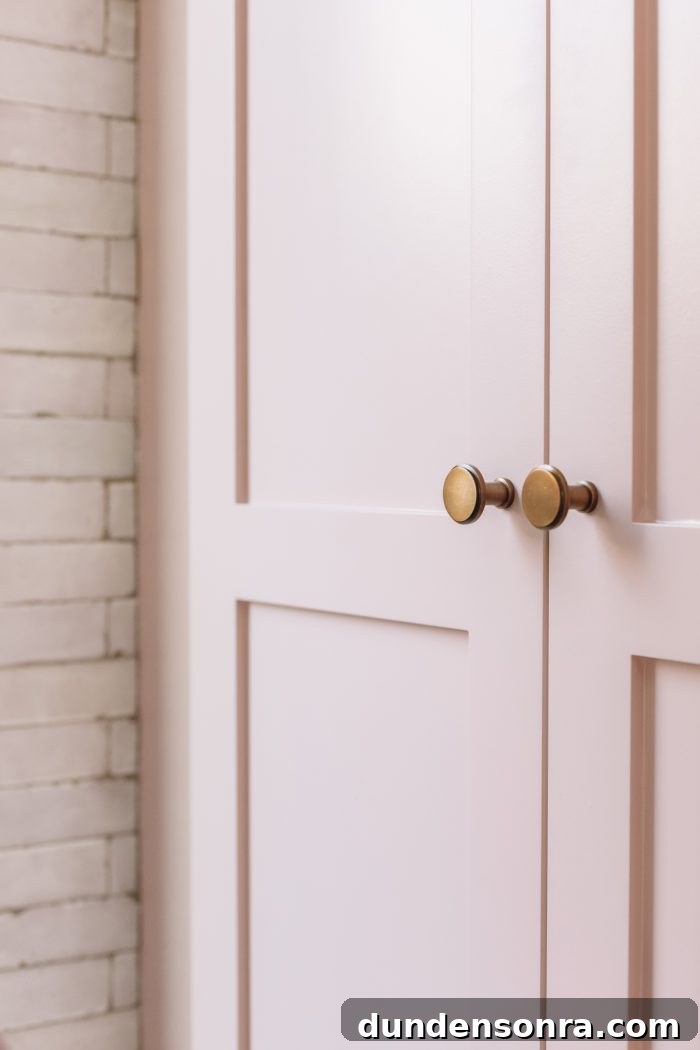
Table of contents
- Step 1: Research What Color You Want
- Step 2: Consider the Unchangeable Elements In Your Room
- Step 3: Learn Your Way Around A Paint Chip Wall
- Step 4: Head to the Paint Store
- Step 5: Test The Paint Chips In Your Space
- Step 6: Paint Large Samples (+ How To Make Them Cheaply, and Not Permanent!)
- Step 7: Observe Over 24-48 Hours
- Step 8: Pick A Paint Color + Go For It!
- Paint Projects To Try
Step 1: Research What Color You Want
You might already know the color you want, or you may need inspiration. Use Pinterest, Instagram, design books, furniture catalogs, or interior magazines to collect examples that convey the mood, style, and shade you like. Look broadly—a bedroom, a piece of furniture, or even a restaurant might show the tone you want for a kitchen or living room.
Collect several reference images rather than relying on just one. Seeing a color in different spaces and lighting conditions will give you a clearer idea of what you like and what will translate well to your room.
Step 2: Consider the Unchangeable Elements In Your Room
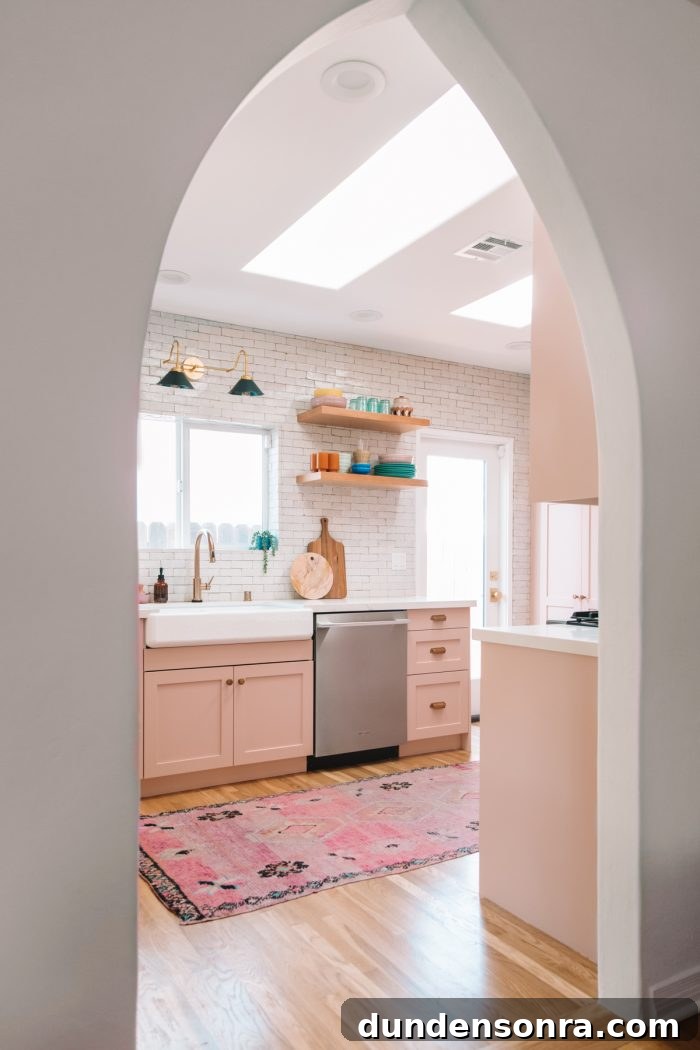
Some elements in your room are difficult or costly to change—most often the floors and the natural light. Consider whether your floors will clash or contrast with the color, and whether the room’s light level supports a lighter or darker shade.
If your space is very bright, a saturated color will appear more vivid. Warm-toned floors can shift a hue toward yellow or orange. These factors can make an otherwise perfect sample look wrong once painted. If you’re refreshing a room rather than renovating, include your existing furniture and decor in the assessment.
From personal experience, trying to force a mustard cabinet color against warm oak floors and abundant light produced a result much brighter and more clashing than the inspiration photos. Learn from that: consider fixed elements before falling in love with a chip.
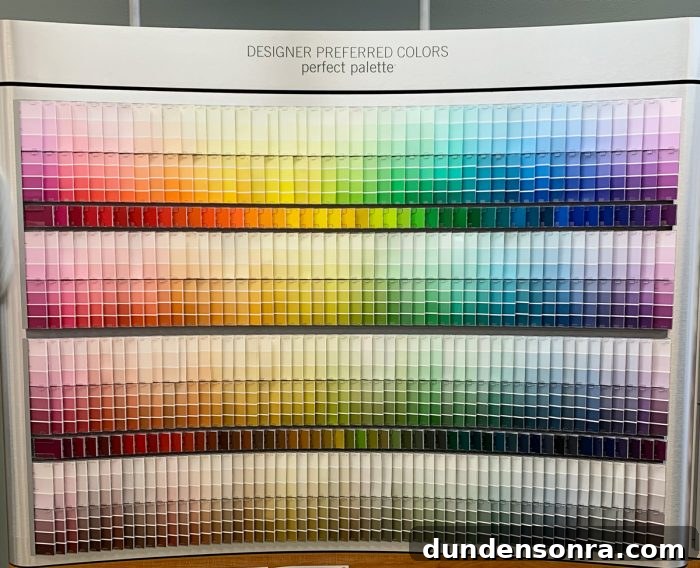
Step 3: Learn Your Way Around A Paint Chip Wall
Paint chips and walls are organized in predictable ways. Cards typically show 3–4 shades that step from darker to lighter. The larger paint wall usually groups chips from more saturated at the top to less saturated at the bottom. Understanding this helps you choose variations around the hue you like.
When you scan a paint wall, notice vertical shifts in darkness and horizontal shifts in warmth or coolness. These visual patterns are more useful than technical codes if those feel overwhelming. Keep saturation in mind—more saturated colors will read much stronger once applied at scale.
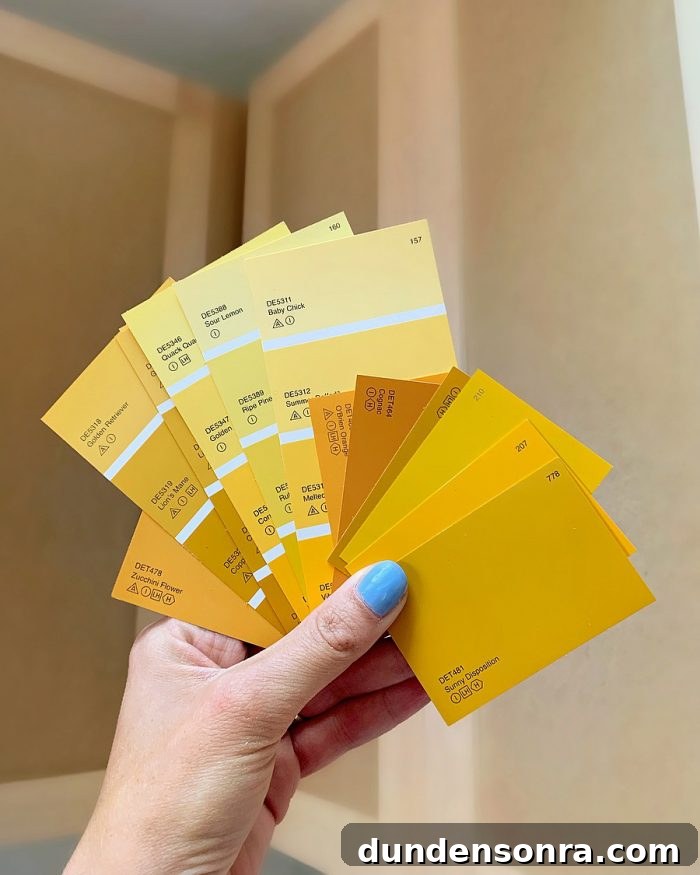
Step 4: Head to the Paint Store
At the store, scan the wall and identify the color family that matches your inspiration photos. Grab the swatch card that contains the closest match—this is your starting point. Then select additional chips around that swatch: those above, below, left, and right on the wall.
Collect options that vary in depth and temperature. Even chips you dislike in the store can behave very differently in your home’s lighting—so bring a wide selection. The store lights will often flatten or misrepresent a hue, so reserve judgment until you see samples in your space.
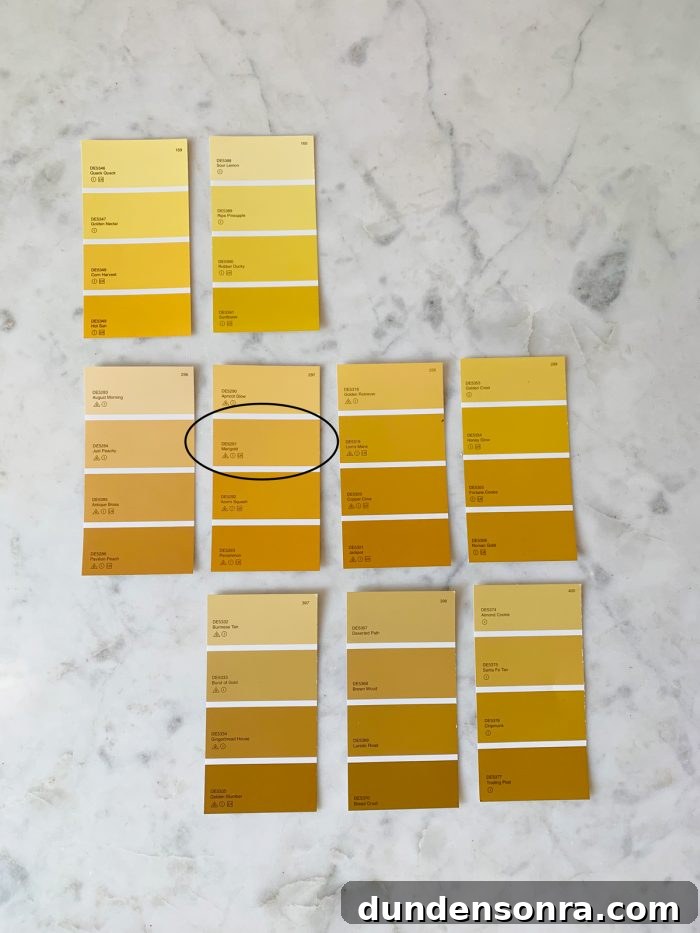
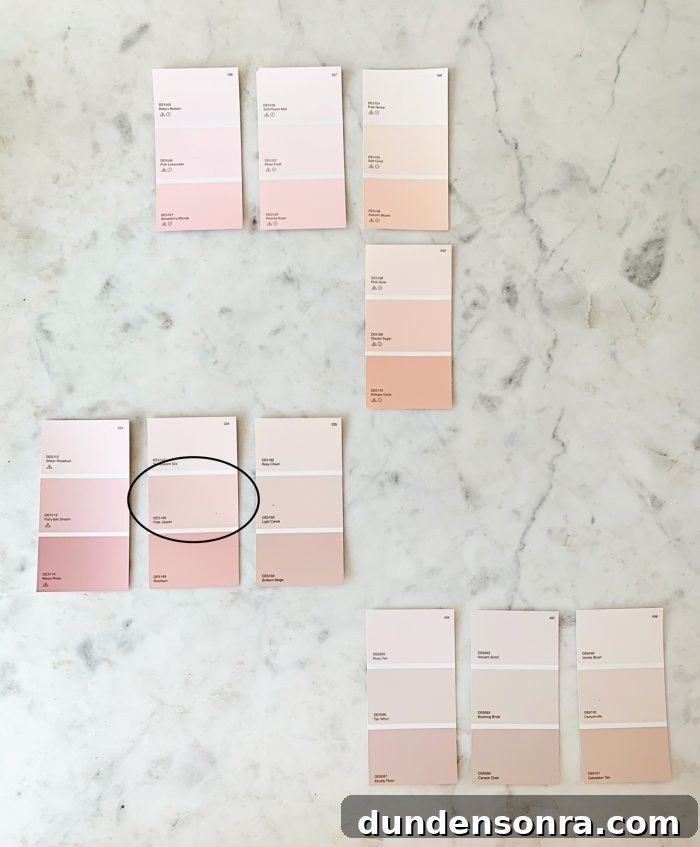
Bring home an assortment so you can test a range of tones. For example, a pink that looked harsh under store lighting may soften beautifully in your kitchen—so don’t dismiss something just because it looked wrong under fluorescent lights.
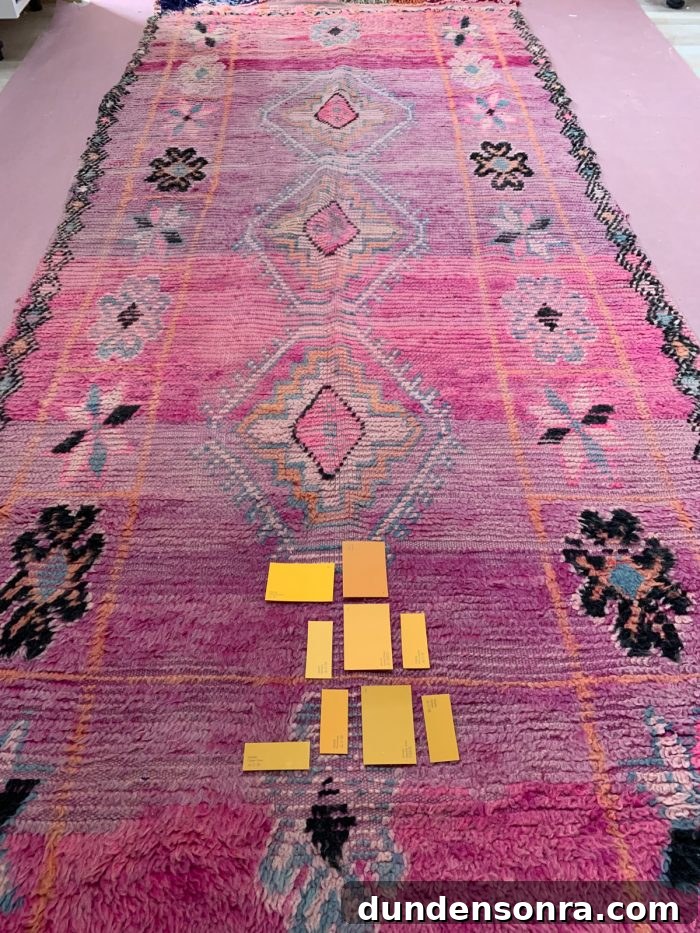
Step 5: Test The Paint Chips In Your Space
Bring the chips home and view them at different times of day—morning, afternoon, and evening—and in both the brightest and darkest corners of the room. Many chips can be eliminated quickly this way, narrowing the field to a manageable group.
Remember: paint looks more saturated on a larger surface. Choose at least one option that is slightly duller than what you think you want. Aim to narrow your choices to roughly three to six contenders for larger testing.
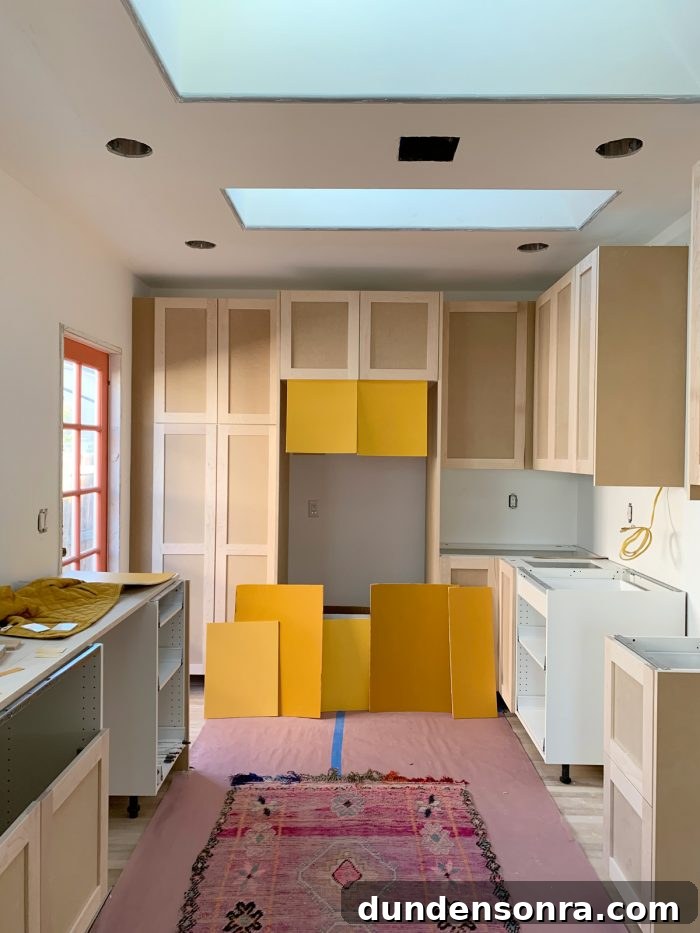
Step 6: Paint Large Samples (+ How To Make Them Cheaply, and Not Permanent!)
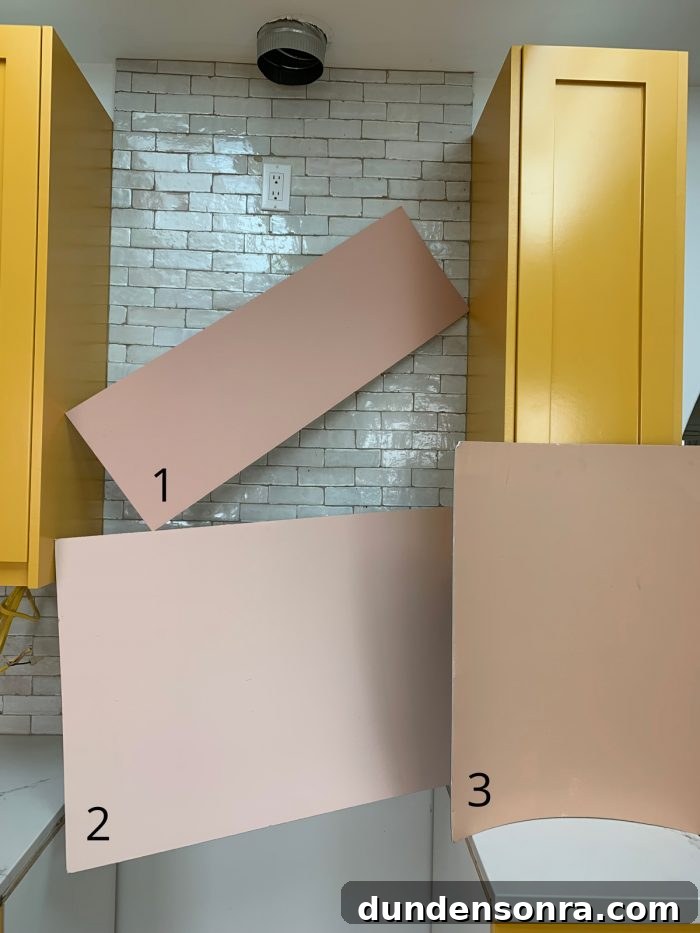
Do not skip this: paint large samples before committing to walls or cabinets. Most stores sell sample-size paint that’s just enough for a few square feet, but a better, non-permanent option is to paint foam core or display boards. These give you a sizeable, movable sample that you can view against different backgrounds and lighting.
Use a small roller for an even finish and label the back of each board with the color name. Let the boards dry completely before evaluating them in the room.
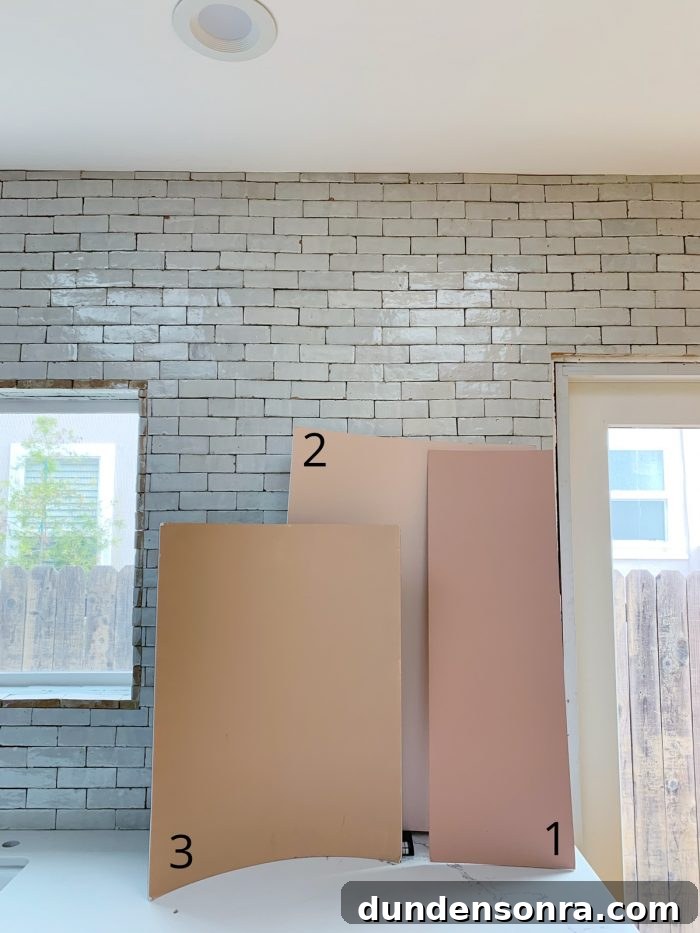
Step 7: Observe Over 24-48 Hours
Place the large samples in the brightest part of the room and observe them over 24–48 hours. Check them in the early morning, around noon, and 1–2 hours before sunset. Take notes about which shades feel too bright, too warm, or just right at each time of day.
Then move the boards to the darkest spot in the room and repeat the observations. Determine whether any option becomes too dark or muddy in low light. You can photograph the samples, but be aware photos may not capture the color accurately—use them only as a reference alongside in-person viewing.
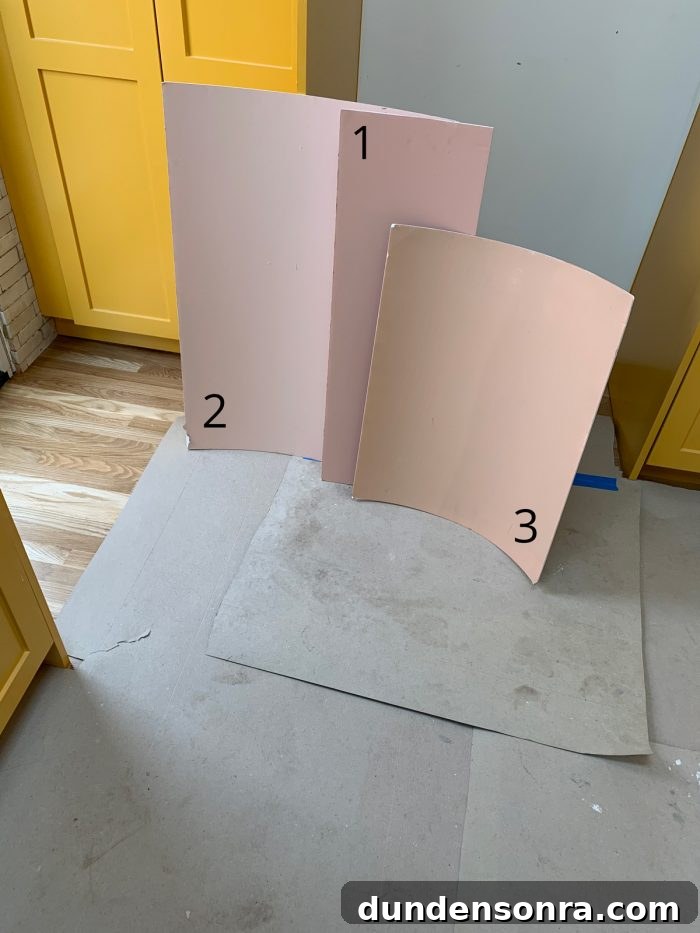
Step 8: Pick A Paint Color + Go For It!
Review your observations. If one color stood out consistently, that’s your winner. If two contenders remain, choose the less saturated or slightly duller option—it’s easier to live with a shade that’s a bit muted than one that’s too bright. Colors applied across multiple walls or cabinets will appear more saturated through reflection, so factor that in.
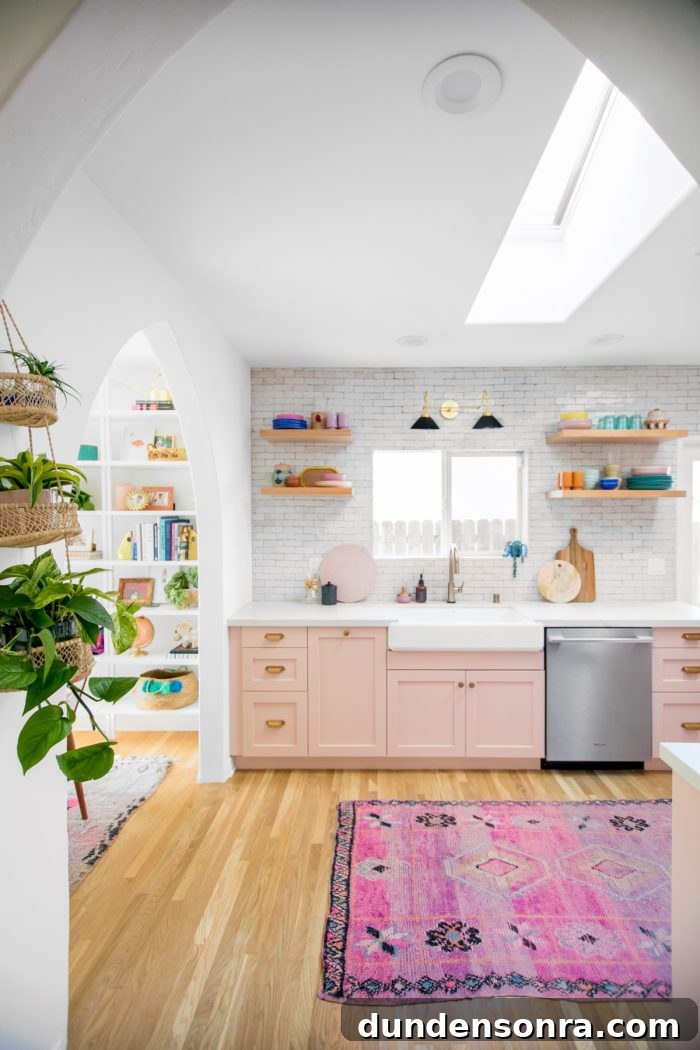
In my experience, following these steps prevented regret. For the pink kitchen, I narrowed my choices and deliberately picked the duller option, which proved to be the right call. Taking the time to test and observe saves you from repainting an entire room later.
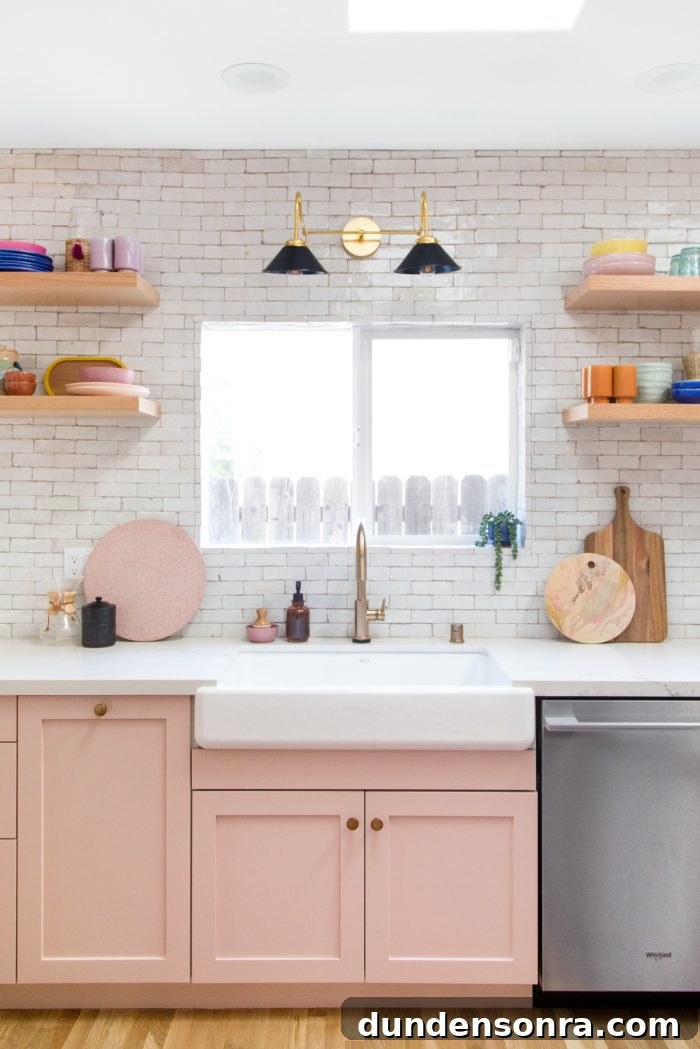
Photos by Jeff Mindell
Paint Projects To Try
- How To Paint A Piano
- How To Paint A Rainbow Stripe Wall
- DIY Colorful Ombre Wall
- How To Make Sunburst Closet Doors (Bifold Closet Door Ideas)
I hope these steps help you avoid the cost and frustration of repainting a room or cabinets. If you have questions about specific colors or situations, test samples using the process above and trust what you observe in your own light and space.