
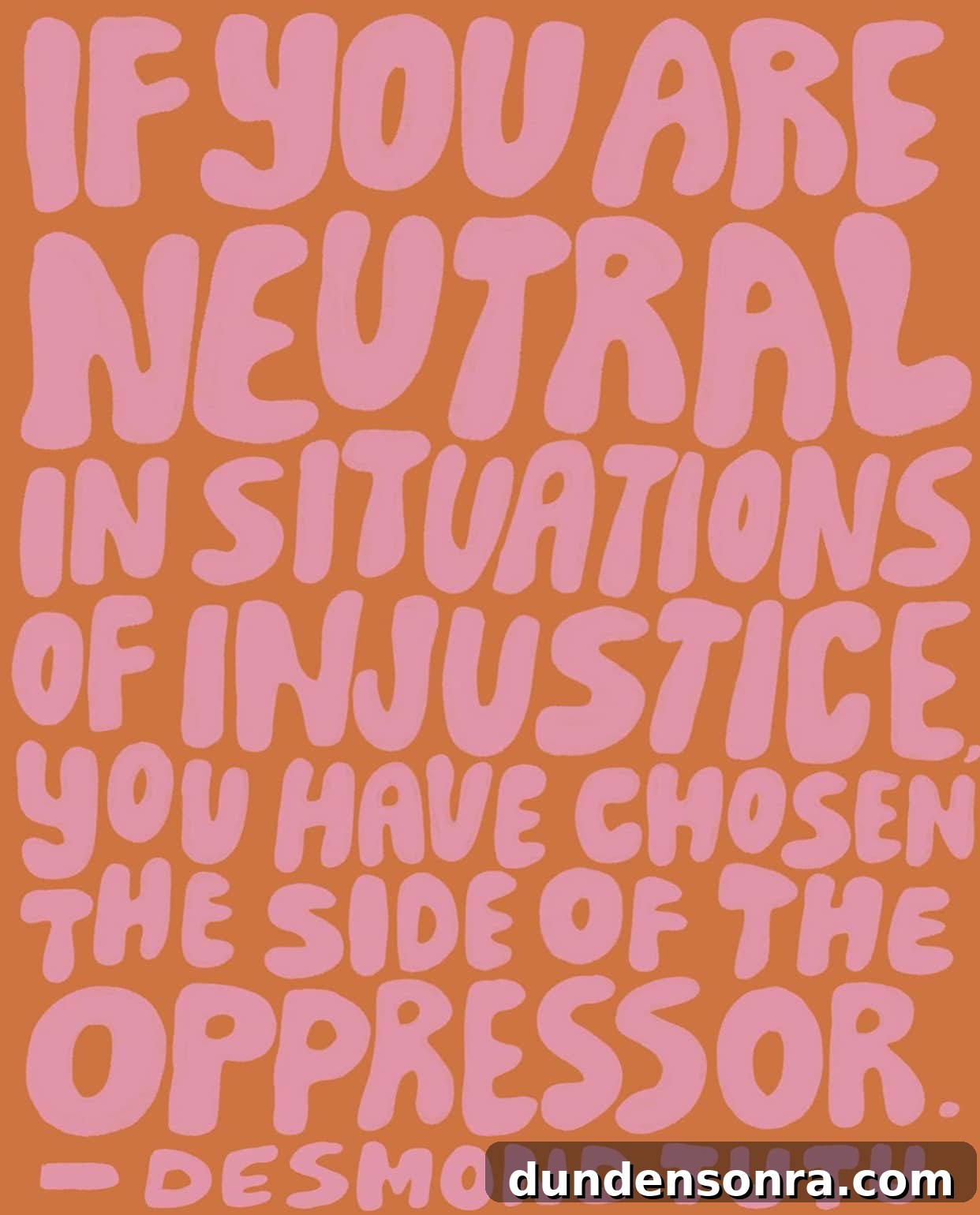
Graphic by Stuff Grace Made
As a white person who benefits from daily racial privilege, I recognize I have significant work to do to become the ally I want and need to be for the Black community. It is my responsibility—both personally and as a parent—to unpack what privilege means, to practice active anti-racism, to speak up, to model better behavior for the next generation, to amplify Black voices and to use my financial resources to support change. That includes donating, holding people and organizations accountable, and accepting discomfort as part of growth.
All white people share this responsibility. Below are resources I’ve learned from and continue to learn from, resources that have given me direction for taking action and starting meaningful conversations at home, in our communities, and at work.
We must demand justice for George Floyd, Breonna Taylor, Ahmaud Arbery and every other Black person whose life has been taken or harmed by systemic racism and injustice.
This list is not exhaustive, but it offers a practical place to begin or continue learning, listening and acting.
Listen + Learn
Systemic Racism
Short explainer videos can make systemic issues more accessible. Seek out concise, well-sourced clips that define systemic racism and illustrate its impacts in housing, education, employment and policing.
Anti-Racism Resources + Learnings
Curated lists of books, podcasts, articles, essays, and documentaries are useful starting points. Prioritize materials created by Black authors, scholars and activists to center those voices in your education.
Parenting Resources
Children are never too young to learn about race, identity and fairness. Look for age-appropriate book lists, conversation guides and tools that support ongoing, honest dialogue about race and belonging. Organizations working specifically on anti-racist education for kids offer excellent book lists and classroom resources.
Seek out letters and essays directed to white parents that explain how to talk to children about encounters with law enforcement, racial bias and historical context.
The “What” and “Why” of Defunding the Police
Learning what “defunding the police” actually means often clarifies misconceptions. Many resources explain how reallocating funds can strengthen social services, public health, education and community-based alternatives to policing. Read threads and explainers that outline real-world examples and statistics comparing investments in policing versus investments in nurses, counselors and social workers.
Before Taking Action
Pause to consider the impact and intent behind your actions. Reflective lists and videos urge people to move beyond performative statements and to adopt accountable strategies. Learn why responses like “all lives matter” are damaging and how to offer appropriate, supportive reactions when confronted with news of racial violence.
Take Action
Anti-racism is a lifelong commitment. Look for practical ways to act consistently: advocacy, policy change, workplace accountability, donations and continuous education. Find guidance on sustaining efforts over time and on integrating anti-racist practices into daily life.
Hold employers and partners accountable by asking about diversity in hiring, contributor selection and influencer outreach. Use your position to ensure Black creators and other people of color have paid opportunities and visibility.
Support campaigns that divest from policing and re-invest in Black and Brown communities. Add your name to petitions, sign up for organized advocacy and learn about policy proposals that redistribute public resources toward social services and community supports.
Buy from Black-owned businesses when possible—bookstores, retailers and local restaurants—and consider donating to organizations that expand access to anti-racist materials in schools and communities.
Contribute to reputable organizations working to eradicate white supremacy, to reform criminal justice systems and to build local resources for Black communities. If you can, donate to groups focused on long-term systemic change and mutual aid efforts supporting protesters and community needs.
If You’re In Los Angeles
Local support matters. Seek out lists of Black-owned restaurants and businesses to patronize. Follow local community accounts for up-to-date information on protests, volunteer opportunities and mutual aid initiatives in your area.
Our Action Plan
To demonstrate accountability and transparency, here are steps our company and family have begun implementing. These are ongoing commitments, not one-time statements:
- Feature and commission more Black-owned businesses, artists and contributors in our content, ensuring paid opportunities and equitable representation.
- Hold partners and sponsors accountable by inquiring about the diversity of influencers and creators they work with; decline collaborations that refuse to engage a diverse group of talent.
- Donate a portion of profits from sponsored campaigns and product lines each month to organizations doing anti-racist work. We’ve started by supporting anti-racist education funds that place diverse books in classrooms.
- Prioritize conversations about racism and anti-racism at home, within our families, with friends and across our physical and digital communities to normalize ongoing learning and action.
I will make mistakes, and I commit to learning from them, accepting constructive feedback, and staying accountable to this community. We must all continue to listen, amplify marginalized voices, learn, support, sign petitions, call and text our representatives, donate our time or money, and have difficult conversations. This work requires persistence—tomorrow, next week, next year and beyond.