
Most Expensive Design and Renovation Mistakes to Avoid
No design or renovation runs perfectly—mistakes happen. Sometimes they’re small and easy to fix, like ordering the wrong faucet. Other times they’re expensive and time-consuming, like painting all of your cabinets a color you hate. After completing a full home renovation, we’ve made plenty of both kinds of mistakes. Here are the most costly ones and how we learned to prepare for them.
Before sharing the missteps, I want to mention a tool that’s changed how we plan for surprises: You Need A Budget (YNAB). I first wrote about overhauling my relationship with money and how YNAB’s method helped. Using a budgeting system like YNAB would have made managing renovation surprises much easier, and it’s the tool I now recommend when planning projects.
If you want to learn more about YNAB’s approach, there are posts that explain its four rules and how it works. The main takeaway is that assigning every dollar a job—and leaving room for flexibility—helps you absorb unexpected costs without derailing the whole project.
With that in mind, here are the renovation errors we made and the lessons we took away.
How To Prepare For Renovation Mistakes
We always started projects with a general budget and a contractor’s quote, but we expected surprises once construction began. I also tend to choose bold design moves, which increases the chance of needing changes later. Lacking a consistent budgeting system, our workaround was simple: we overestimated. If a contractor quoted $10,000, we treated it like $12,000–$15,000.
The policy that saved us: always overestimate your renovation or design budget—never underestimate it.

How YNAB Can Help
YNAB gives structure to the “overestimate” approach. Instead of just guessing extra funds will appear, you can create explicit categories—for example, a renovation fund plus an “unexpected renovation costs” buffer. That buffer can be tapped if surprises arise, or repurposed if you don’t use it. The core strength of YNAB is that every dollar is assigned a job, while the system still encourages flexibility because projects rarely go exactly as planned.
Now for the mistakes, starting with the most painful and expensive.
Painting our kitchen cabinets the wrong color…
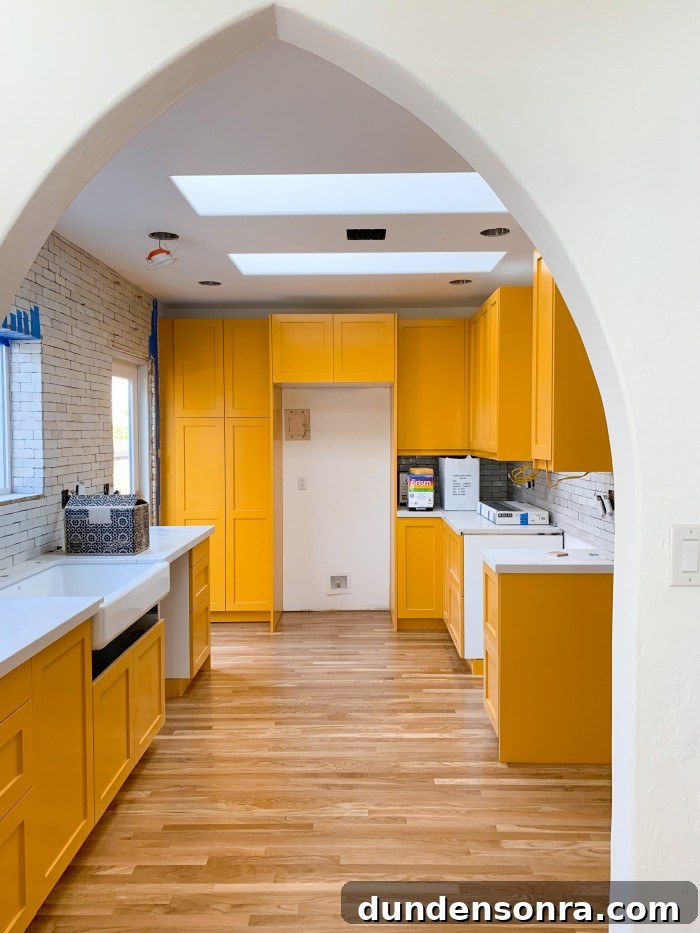
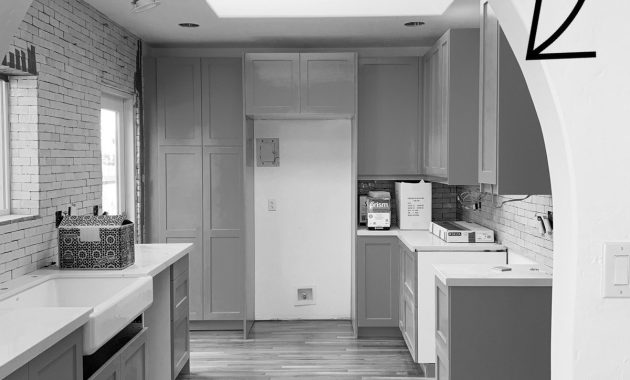
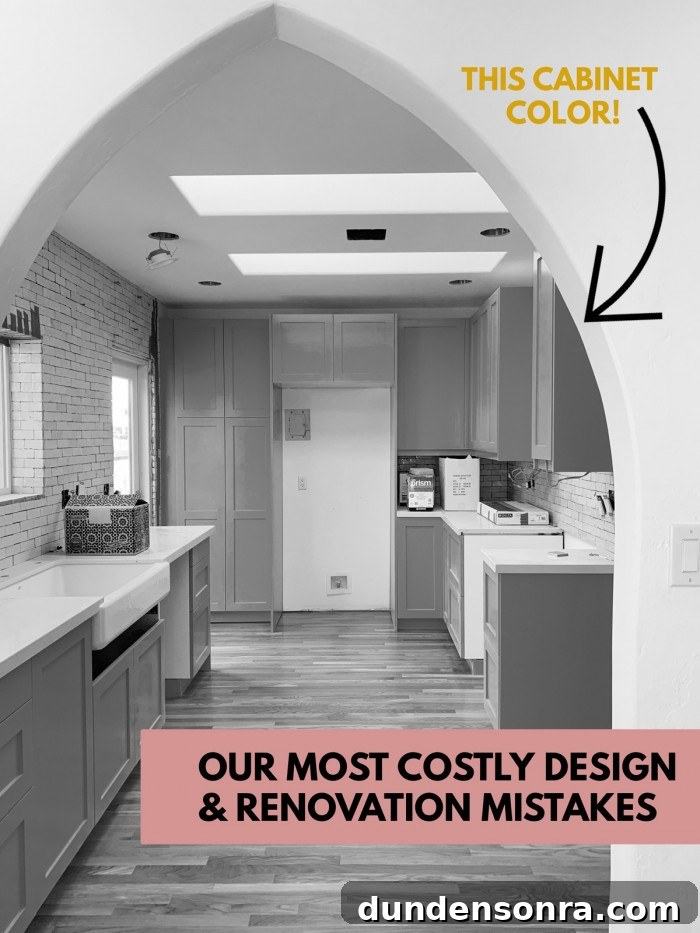
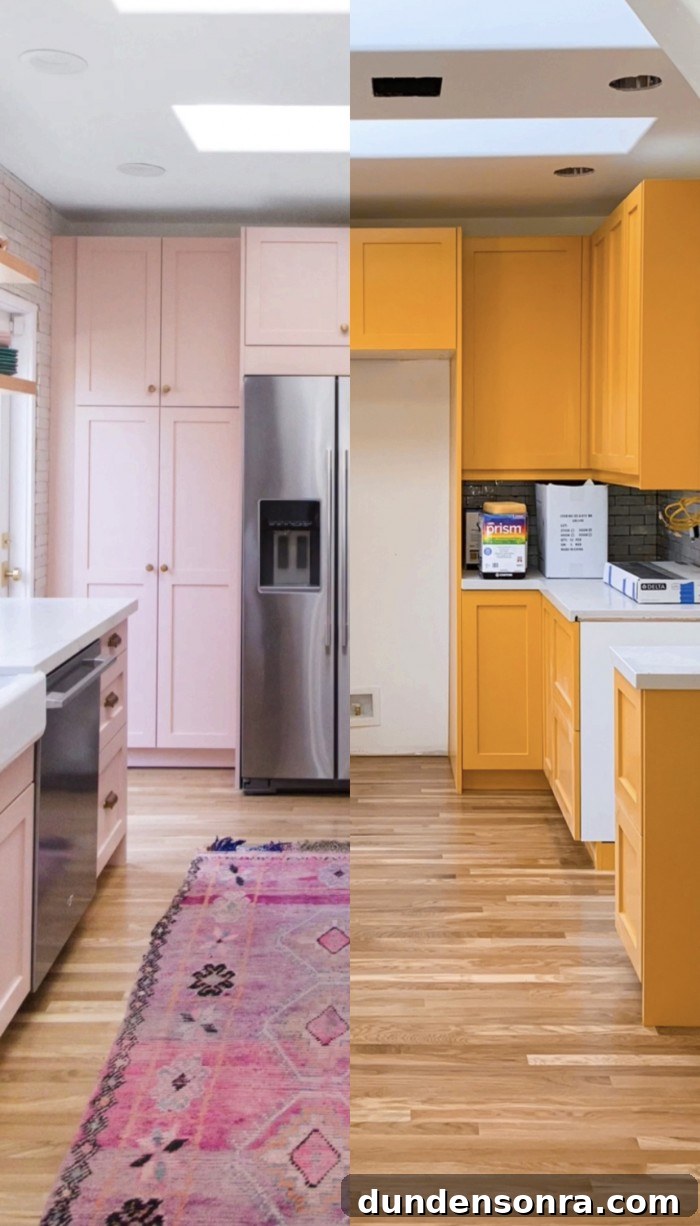
Cabinet fronts are expensive to paint because they must be done professionally and precisely. Painting them twice is even more costly—and we paid for that lesson. I spent weeks testing colors for a deep, muted yellow, but not enough. Once the cabinets were painted at scale, the color translated into a mac-and-cheese orange that I couldn’t live with.
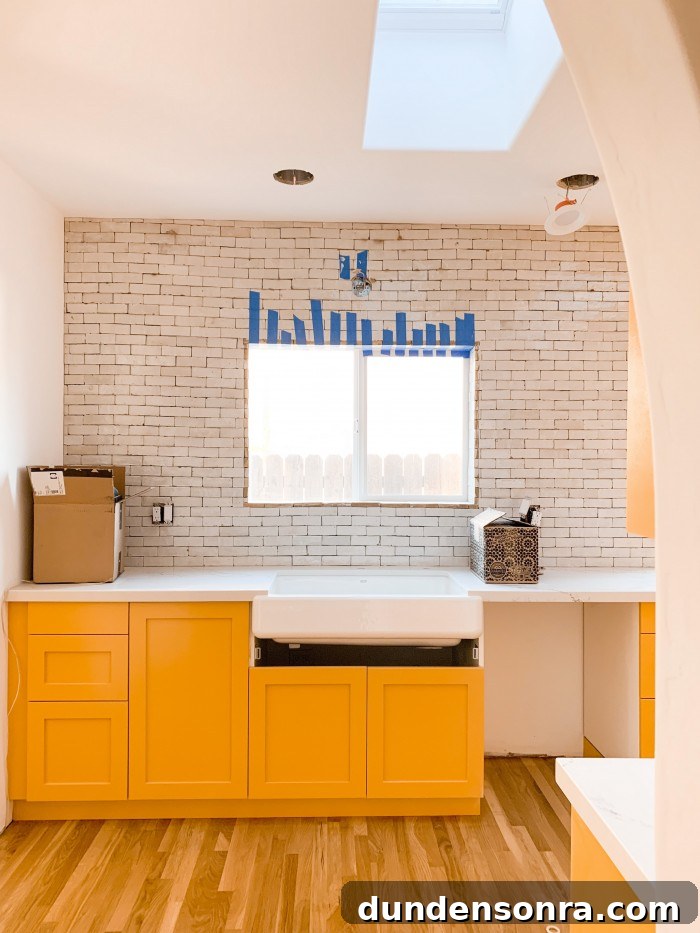
I saw one cabinet being painted in the backyard and felt the panic, but I didn’t stop the process in time. After they were installed, I convened with a designer friend and confirmed they had to come down. We paid to have every door removed, re-primed, repainted, and rehung.
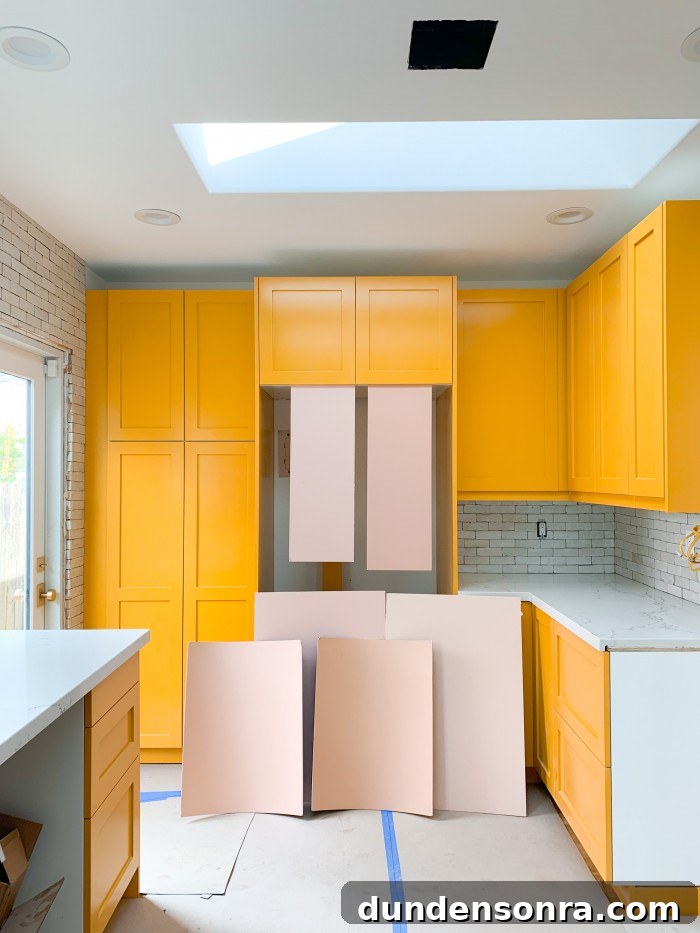
Lesson learned: Colors read differently at scale. Always test paint extensively—large swatches or full door samples—before committing to painting an entire kitchen.
Adding marble to our shower (and then removing it)…
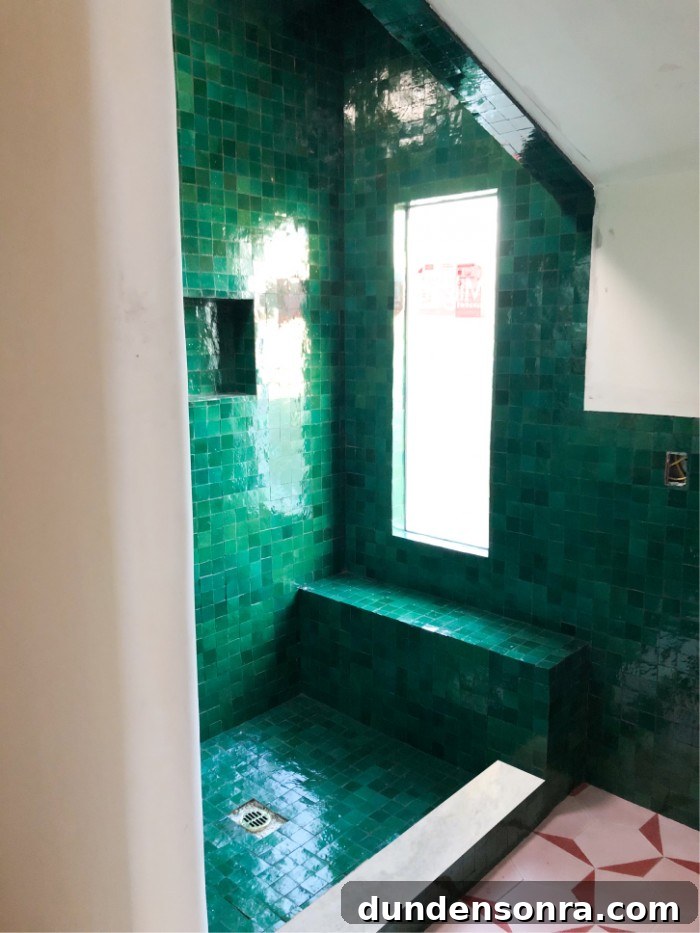
In our main bathroom we used handmade zellige tile. Because the tile isn’t perfectly even, our contractor worried about water leaking under the shower door and suggested installing a leftover marble piece from our vanity to prevent leaks. I reluctantly agreed to avoid potential issues.
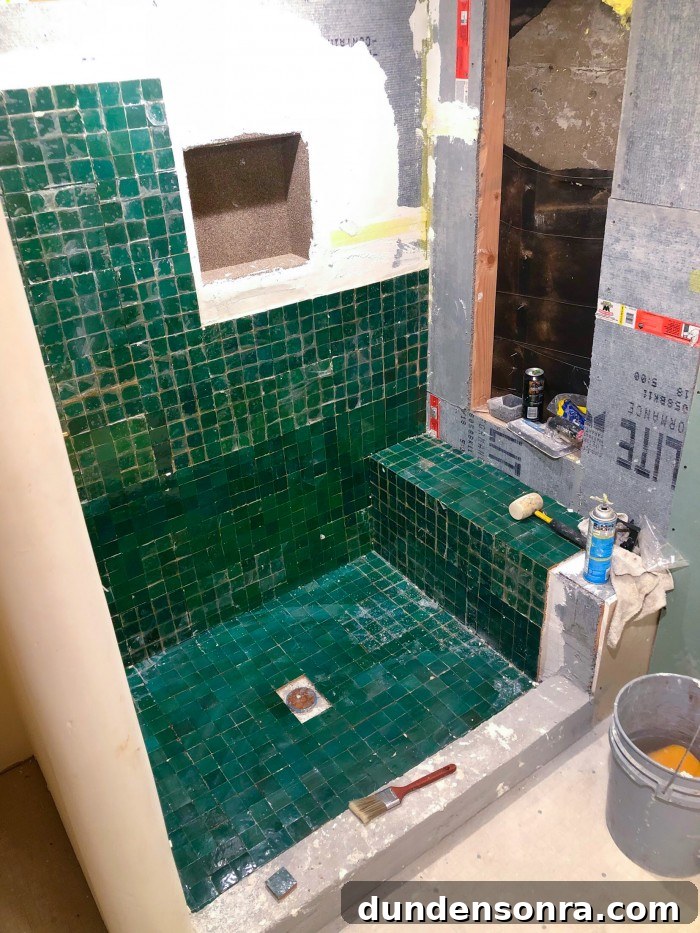
When the marble went in, it disrupted the continuous, organic feel of the green tile and ruined the look we loved. I called immediately and told the contractor to remove it—we preferred the aesthetic risk over compromising the design. Removing marble and re-tiling added expense and time.
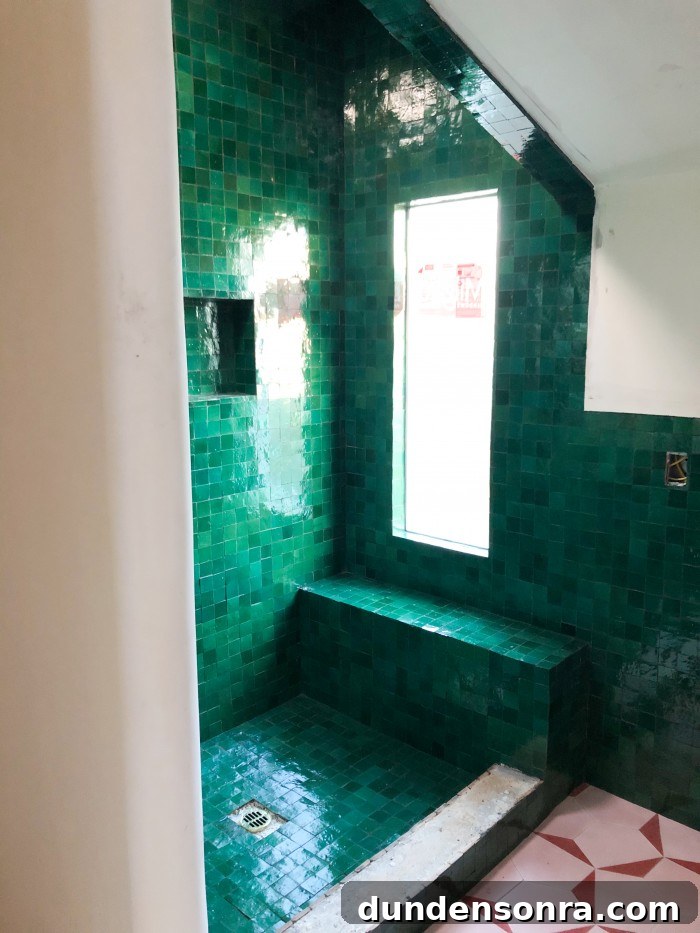
Lesson learned: Trust your instincts about the look you want. Fixing design compromises can be costly, so address concerns before installing permanent materials.
Choosing the wrong size living room rug…

Our living room has awkward proportions and I love vintage rugs. After a long search I ordered one that was slightly too long. When it arrived, we had to tuck at least a foot under, creating a raised edge that was a tripping hazard for our toddler. Because the seller wouldn’t accept returns, I sold the rug at a loss and bought another locally to test in the space first.

Lesson learned: For large, non-returnable pieces—especially vintage finds—measure carefully and, when possible, try the item in your space before committing.
Paying for a previous owner’s mistakes in the garage…
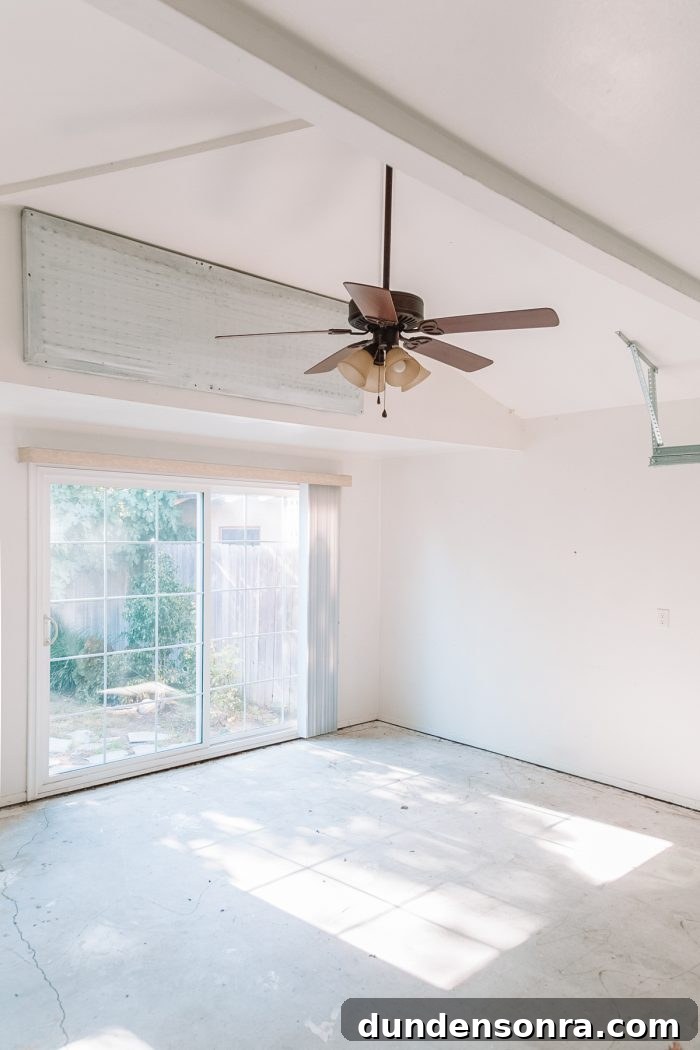
We planned to turn the garage into a playroom and invested in a custom folding door, new vinyl floors, insulation, and electrical work. We were aware the previous owner had illegally used the garage as a rental and were told it had been converted back—but it hadn’t been brought up to code. After doing the initial work, inspectors required us to rip out walls and redo electrical to meet code.
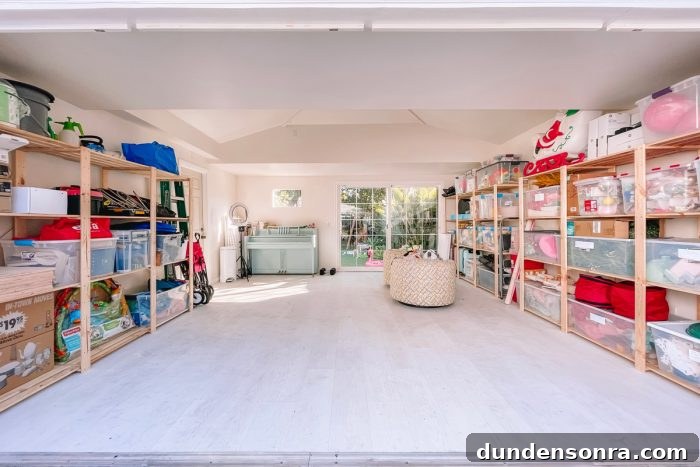
Because of the cost and the loss of planned storage space, converting the garage to a playroom no longer made financial sense. Instead, we ended up with a nicely finished, insulated garage storage area with a custom door and upgraded floors.
Lesson learned: When you buy a home, you inherit previous owners’ mistakes and may be responsible for correcting them. Thorough inspections and contingency funds are essential.
At times I joke about who blames me more—my husband or the contractor—but the truth is we learned a lot and were fortunate to expect some setbacks. We would have been even more comfortable if we’d used YNAB to earmark funds for unexpected costs in advance.
If you’re planning renovations, consider building a budget with a buffer for surprises and test major design decisions at scale wherever possible. Thoughtful planning and a flexible budget reduce stress and costly redo work.
If you decide to use a structured budgeting tool, set aside dedicated categories for renovations and unexpected expenses so you can respond quickly when something goes off script.