
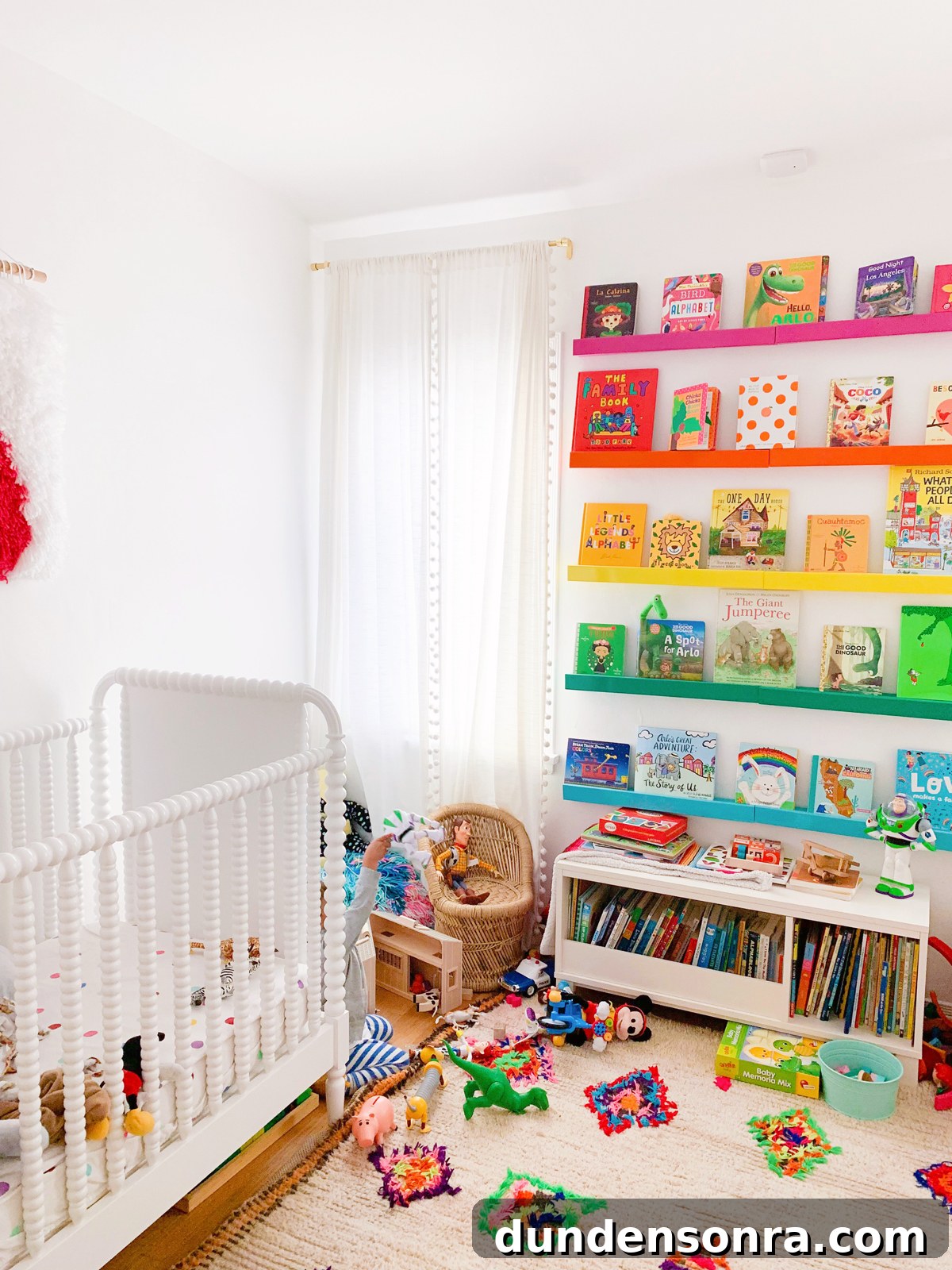
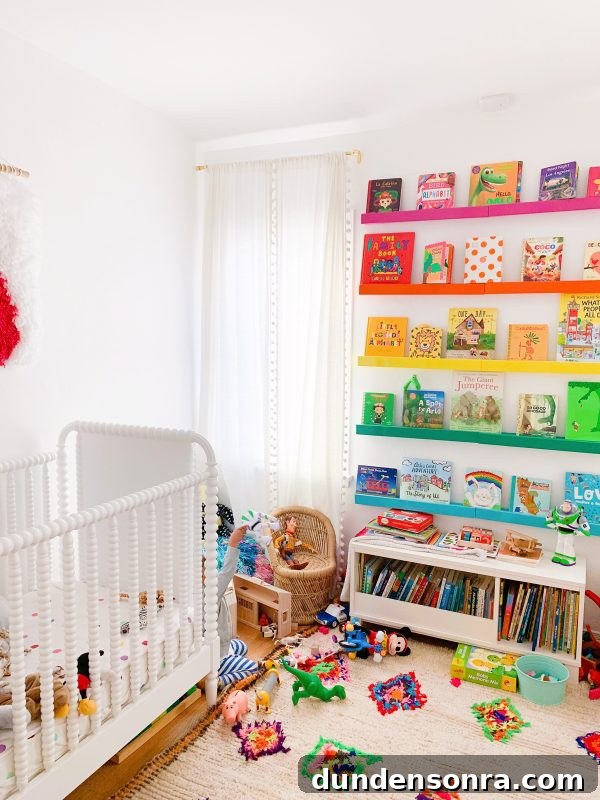
On Instagram Stories the other day I asked followers whether we should have both a sofa bed (or daybed) and a rocking chair in the second nursery. The responses were so helpful that I decided to share all of my questions about going from one nursery to two here. There are lots of small, practical details to figure out—transitions, duplicate items, routines—so I wanted to collect thoughts and advice from people who have already navigated this change.
To give context: first, with adoption we have no exact timeline for when our new baby will arrive, so we need to prepare as if our lives could shift at any moment. For planning purposes I’m assuming Arlo will be between two and three years old when a sibling joins the family. Second, we’re fortunate to have space for two separate rooms for the kids. That means no dedicated guest room for now, but keeping separate rooms feels best for Arlo’s temperament and for easing transitions, so our spare room will serve as a nursery/guest room combo. Third, every family and sibling dynamic is different; I’m asking lots of questions because I like to gather information and learn from others’ experiences. Here are the main questions I’m wrestling with.
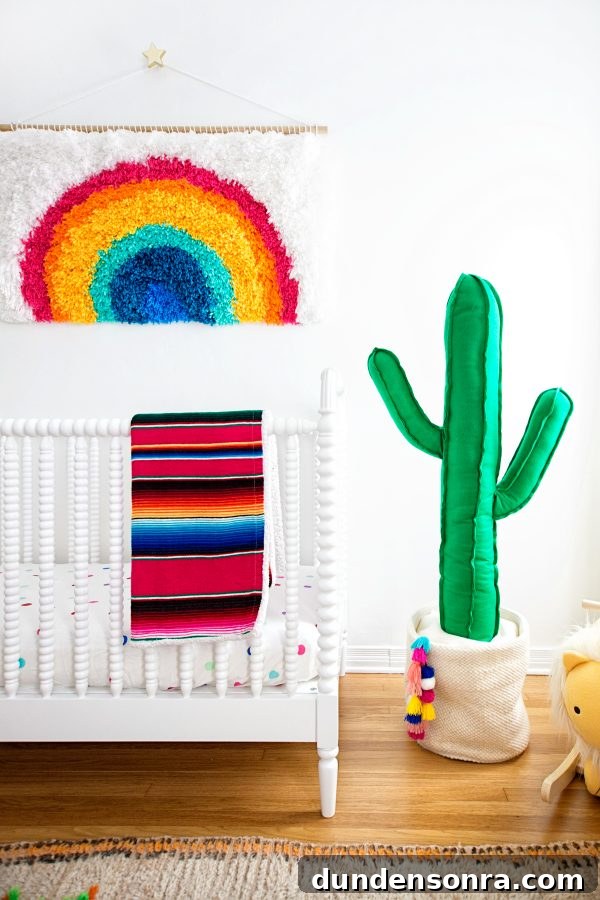
1. Should I transition Arlo out of a crib early so we don’t need a second one?
I’m torn. If Arlo is still sleeping happily in his crib, it feels unnecessary to move him just to avoid owning two cribs. On the other hand, buying a second crib seems excessive if he’ll likely transition to a bed before turning three. For families with children close in age, how did you handle this? Did you transition the older child to a bed earlier than you otherwise would have, or did you keep the crib and buy a second one? We plan to use a SNOO for the new baby during the first months, and if we decide to transition Arlo intentionally, we’d probably want to do it before the new baby arrives so we’re not introducing too many changes at once.
2. If you moved your rocking chair to the nursery, what did you replace it with in the older child’s room?
Many people recommended a rocking chair in the baby’s room alongside a daybed, which makes sense for middle-of-the-night soothing and feeding. But owning two rocking chairs feels like overkill, and we use Arlo’s chair nightly for reading and comfort. If you moved a rocking chair out of the older child’s room, what did you put there instead? Did you swap it for a smaller chair, a floor cushion, a bench, or nothing at all?

3. How did you adapt your bedtime routine?
Our bedtime routine is a big part of our day and is very reliable. I’m curious at what age you included the younger child in the older child’s routine, and whether you changed the routine at all. Did you keep reading and tucked-in time in the older child’s room only, or did you create a shared routine that involves both rooms? Do you keep bookshelves and reading spaces in both rooms, or concentrate bedtime books in one place?
4. Did you set up one central changing station for both kids?
We haven’t started potty training Arlo yet, so diapers are still the norm. I’m considering making the baby’s room the main changing station and keeping a small portable changing caddy with a few diapers and wipes for quick changes in Arlo’s room when the baby is asleep. Do most families use a single central changing area, or do two separate stations make more sense for practical daily use?
5. Do the two rooms end up serving different purposes?
After the first few months, do families find that the two children’s rooms develop distinct roles—one more focused on bedtime and reading with comfy seating and books, and the other more of a daytime playroom? We plan to build a dedicated playroom someday, but for now I’m wondering whether we’ll naturally use each room differently and how that affects routines and storage.
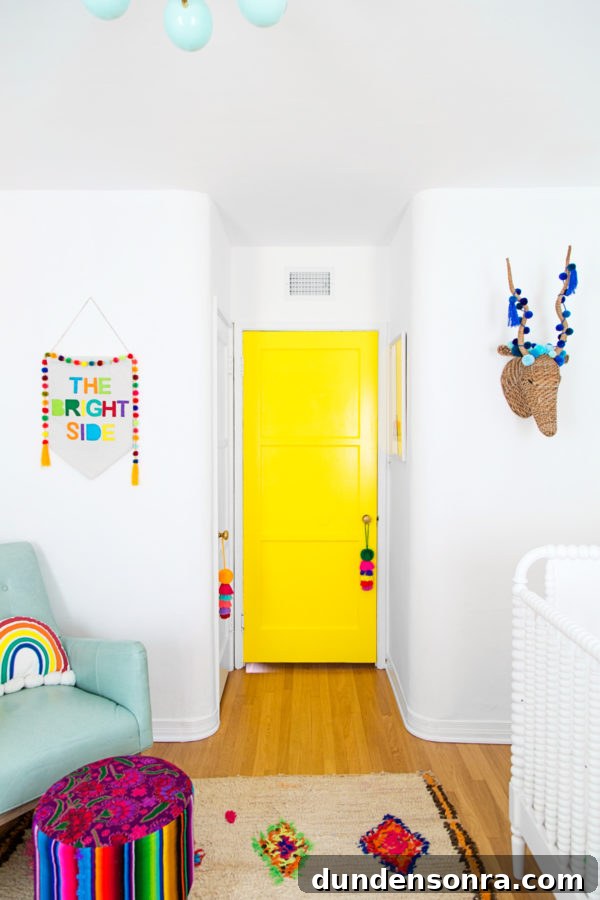
Do these questions resonate with you? I’d love to hear what worked in your home—what you planned ahead for, what you discovered after the second child arrived, and any practical solutions that made the transition easier. I’m grateful for communities that share real-life experience—becoming a parent highlights how valuable that collective wisdom can be.