
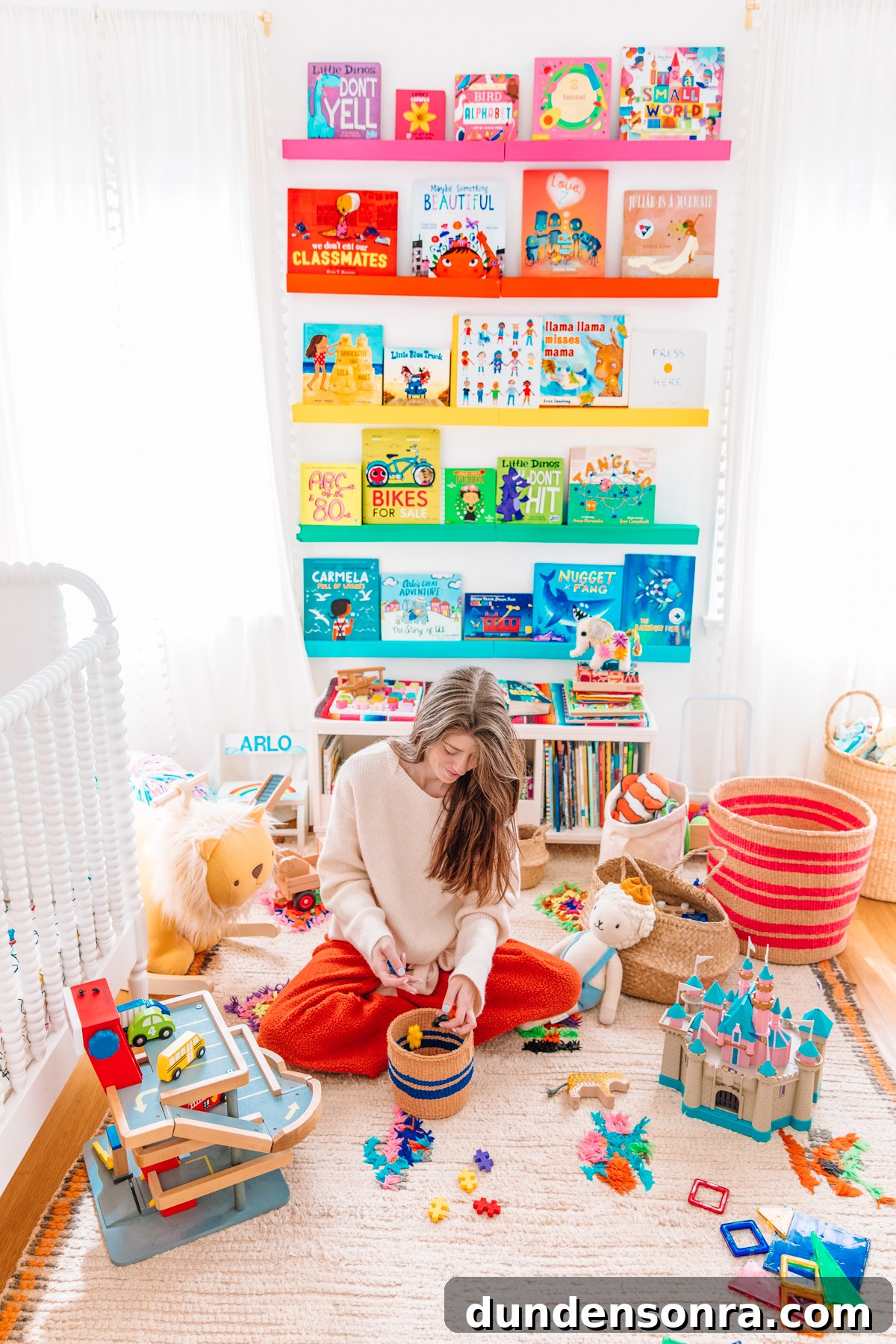
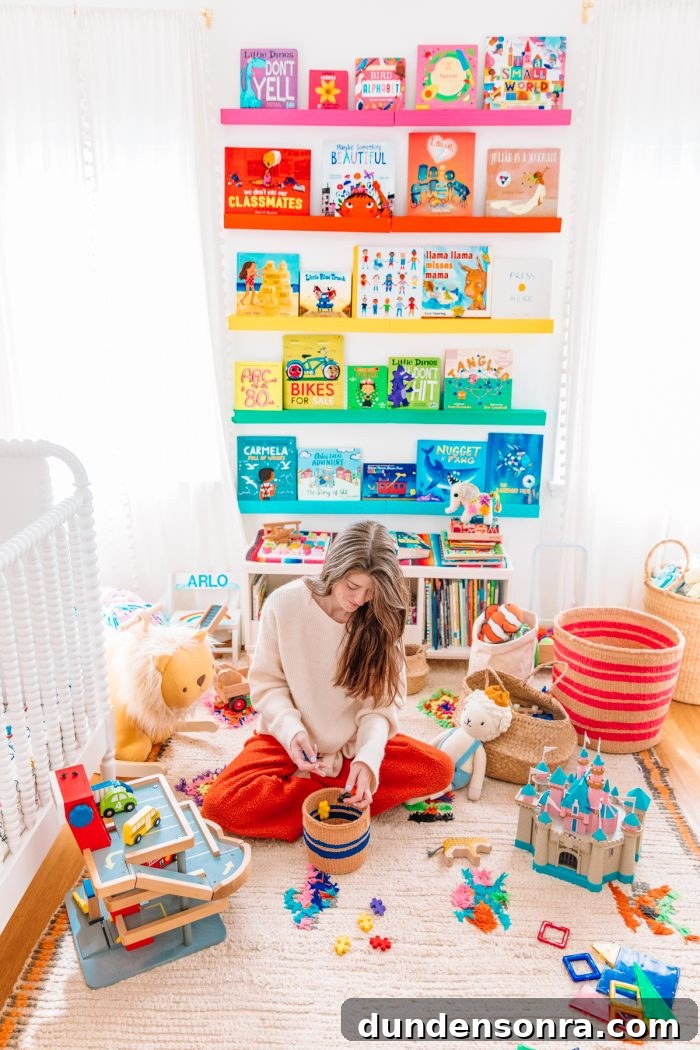
I’ve had a few people comment on Instagram about how intentional we seem to be with the toys we bring into our home for Arlo, and I take that as a compliment. Being more deliberate about what we invite into our lives is something I’m trying to practice broadly, and toys are one of the trickiest areas. You want children to be engaged and curious, but childhood is fleeting and many toys lose their appeal quickly.
Today I want to explain our toy philosophy, share what has worked for us, and offer tips for getting friends and family on board. Most of the advice is focused on toddlers—because that’s what we have right now—and some ideas may change as Arlo grows. I’ll update our approach as needed.
Our General Philosophy
Here’s a quick summary: we don’t buy many toys and we don’t make a big deal when we do. We save gift ideas for birthdays and holidays, ask a lot of questions before buying, and favor toys that are open-ended and have staying power. We clear out unwanted toys regularly and donate them to places we know can use them. We’re honest with friends and family about limited space and the potential for overwhelm. We have a few rules, but we also allow for exceptions—after all, these are toys, not critical life decisions.
Now for the longer version.
Questions to Ask Before Buying a Toy
Because we have limited space and want to minimize waste, we try to be intentional. Before bringing a new toy home, we ask:
- How many different ways can my child play with this toy?
- What is it made of and how well is it made? Will it last?
- How long will my child stay interested? Can it grow with them?
- Can my child use it independently and also with others?
- Where will it live in our home?
- Do I, the parent or guardian, like this toy?
Toy Materials
I’m speaking from an environmental perspective here rather than a safety one—check labels and decide what materials you’re comfortable with for your child.
While plastic poses environmental problems, some plastic toys have real longevity. My parents still have the plastic toys I played with decades ago, and LEGO can be passed down for generations. For that reason, I focus on whether a toy will maintain a child’s interest over time. When possible we buy secondhand—Facebook community groups are excellent for finding quality used toys.
The Importance of Open-Ended Toys
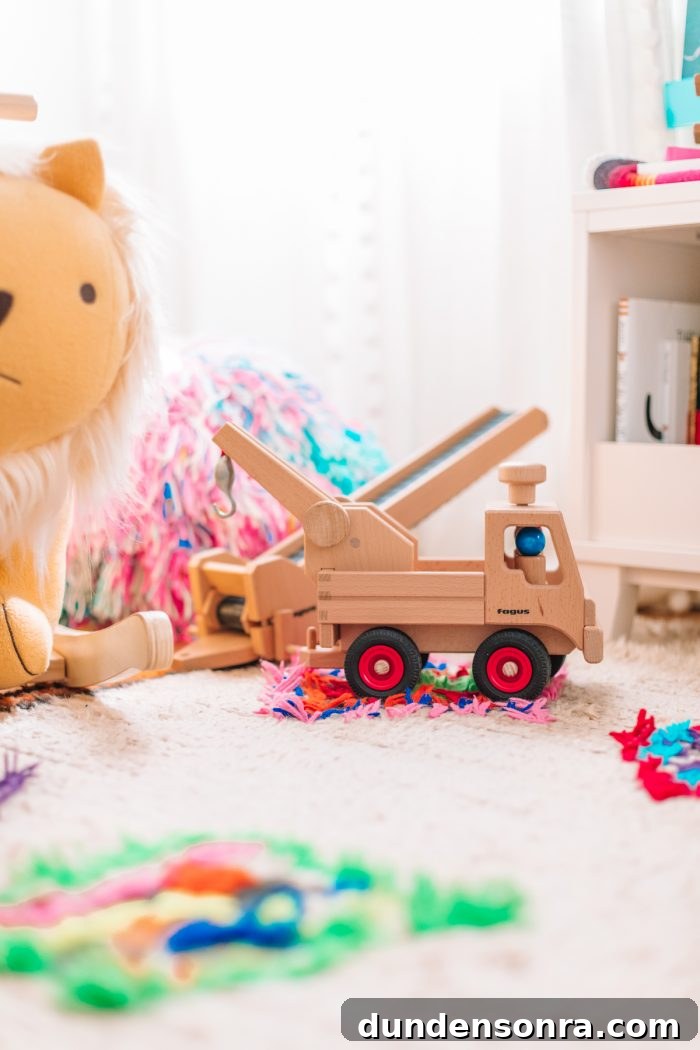
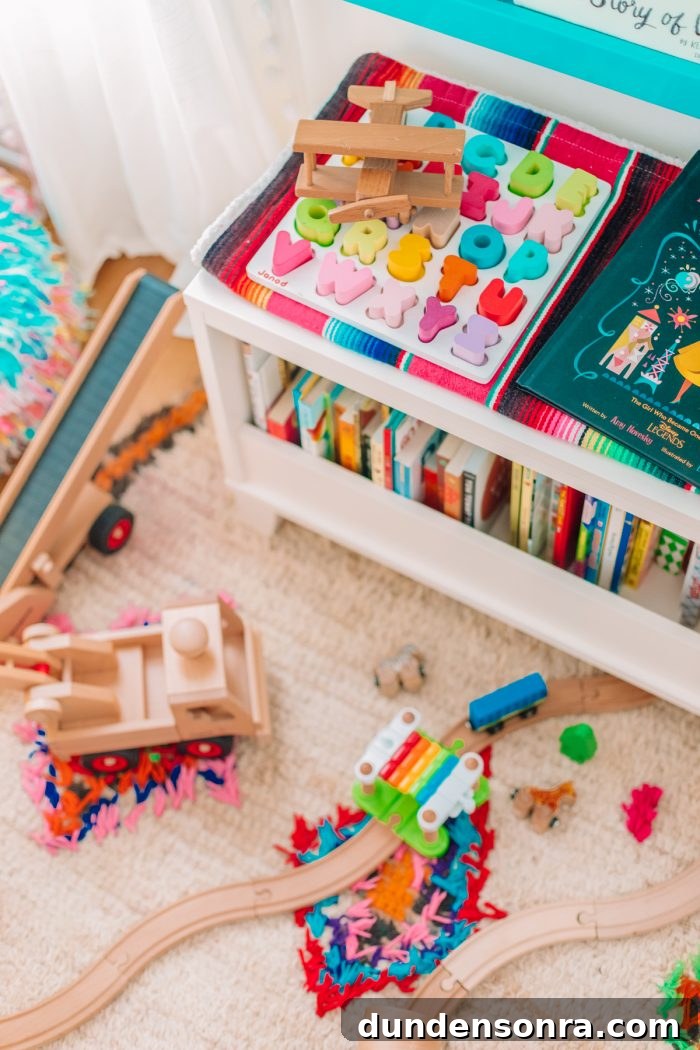
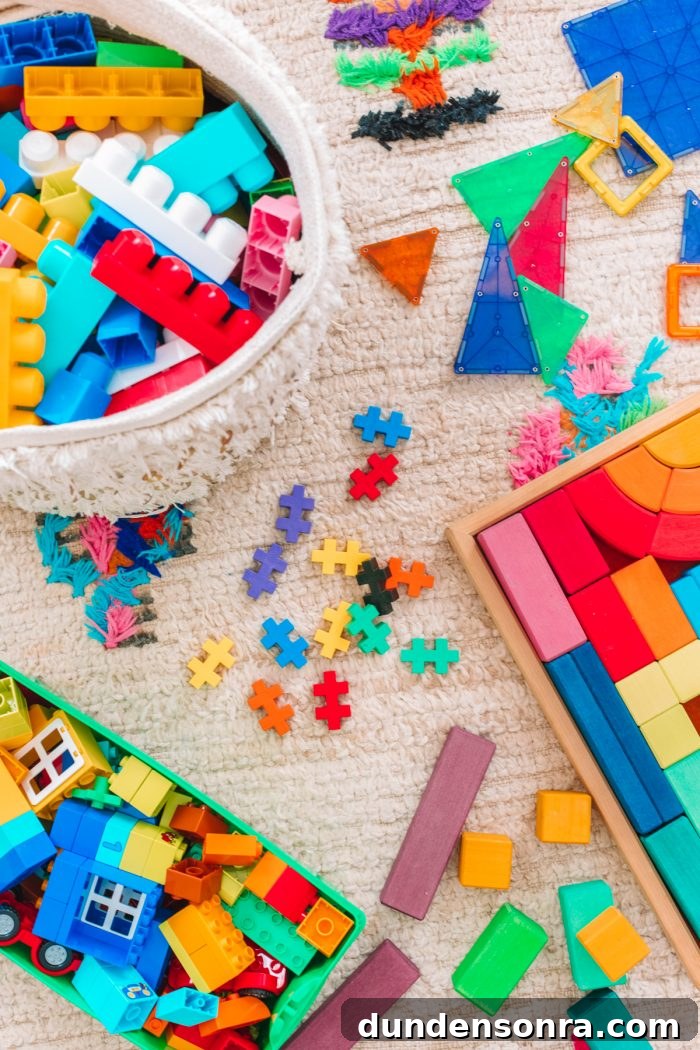
We prefer open-ended toys that encourage creativity and flexible play: blocks, puzzles, train sets, dolls, figurines, and cars. These toys can be used in new ways each day and don’t confine play to a single outcome. That keeps play fresh for a child and more enjoyable for adults who play alongside them.
Be cautious with kits that produce only one result: craft kits or building sets with a single final product tend to be “one-and-done.” Instead, we buy basic supplies (paper, crayons, felt) or a large box of blocks and invent projects together. We do make exceptions for a few thoughtfully designed kits we genuinely love, but we’re selective.
The Toy Aisle
We almost never buy toys for Arlo while we’re shopping with him. He enjoys playing with display toys in stores, and we make transitions easy by setting a visible two-minute timer when it’s time to go. When the timer rings, we say goodbye to the toys and leave. He may be upset to stop playing, but he doesn’t expect to take everything home—and that difference matters.
As a side effect, he’s less motivated by store toys, which is helpful (except when you want to bribe him with a toy). When we do buy a toy while he’s there, his appreciation is evident.
Birthday and Holiday Gifts: Getting Family and Friends On Board
Even with a solid philosophy, family and friends may still gift many toys. These approaches have helped:
- We keep a short list of larger, intentional items we’d like and share those ideas with grandparents before birthdays or holidays, making it easier for them to buy something useful we’ll keep.
- We ask grandparents to limit gifts to one or two items.
- If a present arrives from someone who isn’t present, we open it privately first. If it’s not a good fit, we don’t give it to Arlo—he won’t notice. This works well while he’s young.
- We tell family we will donate anything we don’t love and then follow through. People dislike the idea of gifts being donated, but being upfront prevents wasted money and space. We don’t stress over small items unless it becomes excessive—focus on the big-ticket gifts instead.
- For birthday parties, we ask guests to bring a book to donate instead of gifts, which prevents accumulating many unwanted items.
- If relatives want to choose a gift, suggest these options:
- Add to a collection you already have—extra train tracks, animals for a barn, or figurines for a playset—so new pieces fit existing storage and interests.
- Craft supplies like stickers, crayons, clay, and paper are always useful and encourage creativity.
- Books are a wonderful compromise and will almost always be used.
- Gifts of experiences—museum or zoo memberships, tickets, or classes—create memories without adding clutter.
Our Philosophy on Toys with Batteries
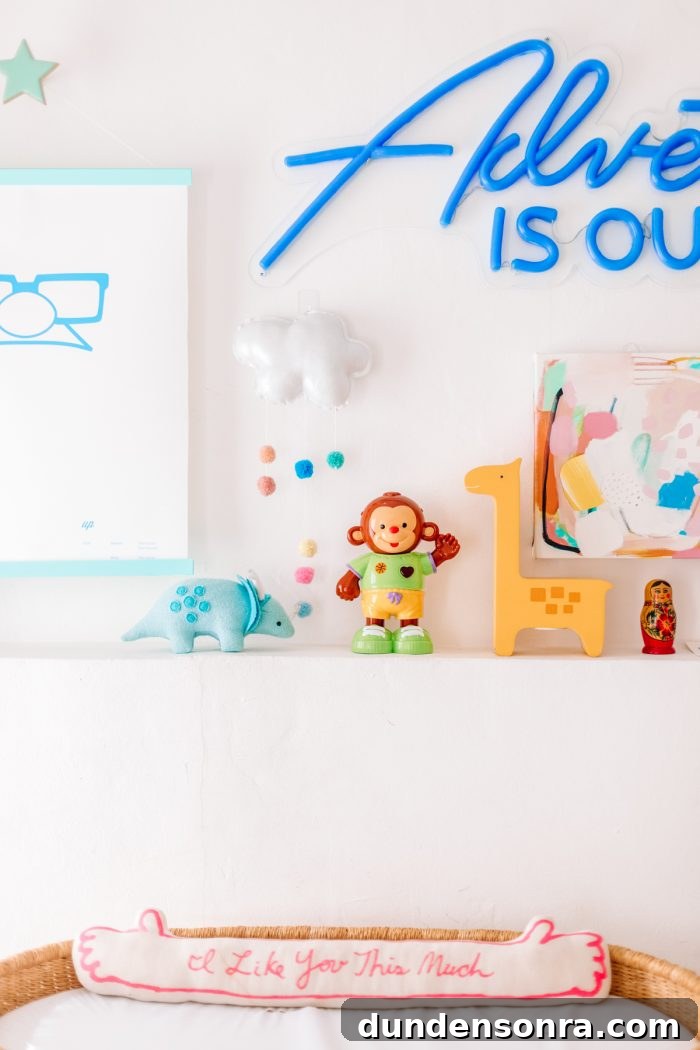
We generally avoid toys that require batteries for lights or sounds. If we do receive them, we often remove the batteries. The main reason is simple: toys that make noise can be repetitive and grating—especially when toddlers repeat them endlessly.
I prefer toys that require a child’s own motion or imagination. For items that depend on batteries but can still be useful, consider limiting access: keep them in a specific spot like the changing table or a drawer where they’re only used for brief, timed interactions. That way those noisy toys serve a purpose without dominating play.
Our Hard and Fast “Rules”
Besides limiting noisy toys, we have two firm rules:
No video games and no toys that are weapons or that resemble weapons (light sabers, foam swords, water guns, etc.).
Video games aren’t in our home unless there’s a clear reason to introduce them; I’m mindful of content and research around screen-based play. We also avoid introducing weapons in any form. When Arlo imitates “fighting” behavior from peers, we address it immediately with a simple, consistent response: “That is not allowed in our home. It hurts people and it hurts our feelings.” We keep the message calm and straightforward so it doesn’t become a game.
How Many Toys Is “Too” Many?
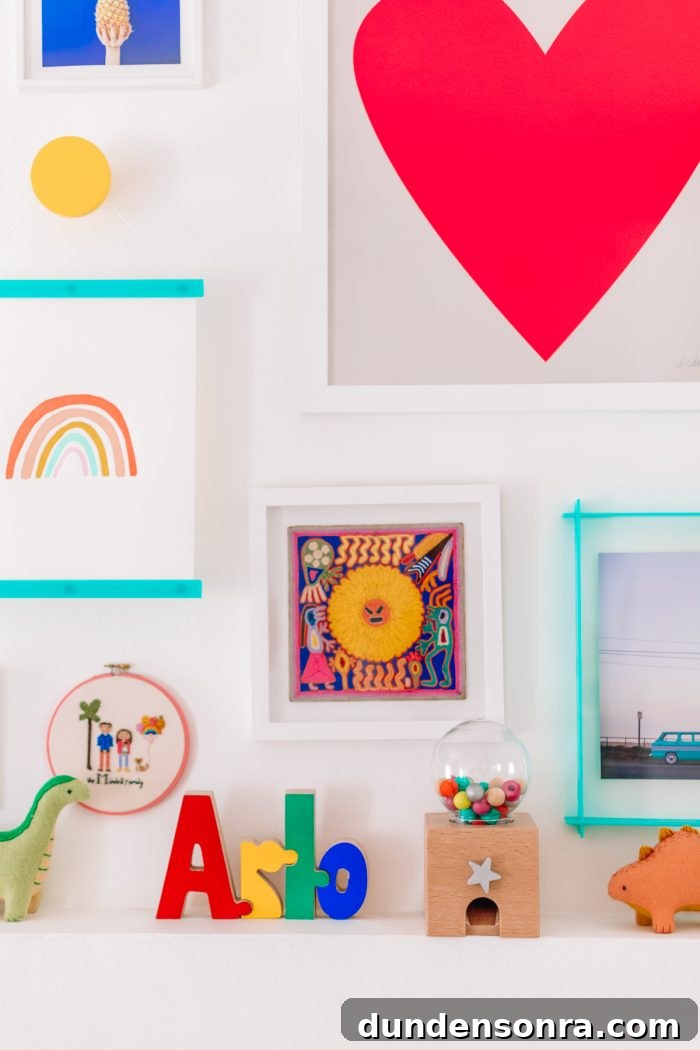
There’s no perfect number—space and the child’s temperament determine what’s right. Editing is important, starting with what you allow into the home. Despite best efforts, toys will accumulate, so we do regular clean-outs—usually quarterly—and donate what’s no longer useful. Right now I do this when Arlo is asleep, but in the near future I plan to involve him so he can learn to curate his own things.
An approach I admire is my brother’s rule: whenever a new toy comes in, another toy has to go out. This is especially effective with older kids who can decide if they want the new item enough to part with an old one—just be prepared to follow through.
Where to Donate or Sell Toys
When donating or selling toys, be mindful of where you send them. Many organizations have specific requirements, and donating unsuitable items can be wasteful. Good options include:
- Local community or buy-nothing groups
- Friends and family
- Local shelters
- Charities that support children
- Preschools, daycares, or church nurseries
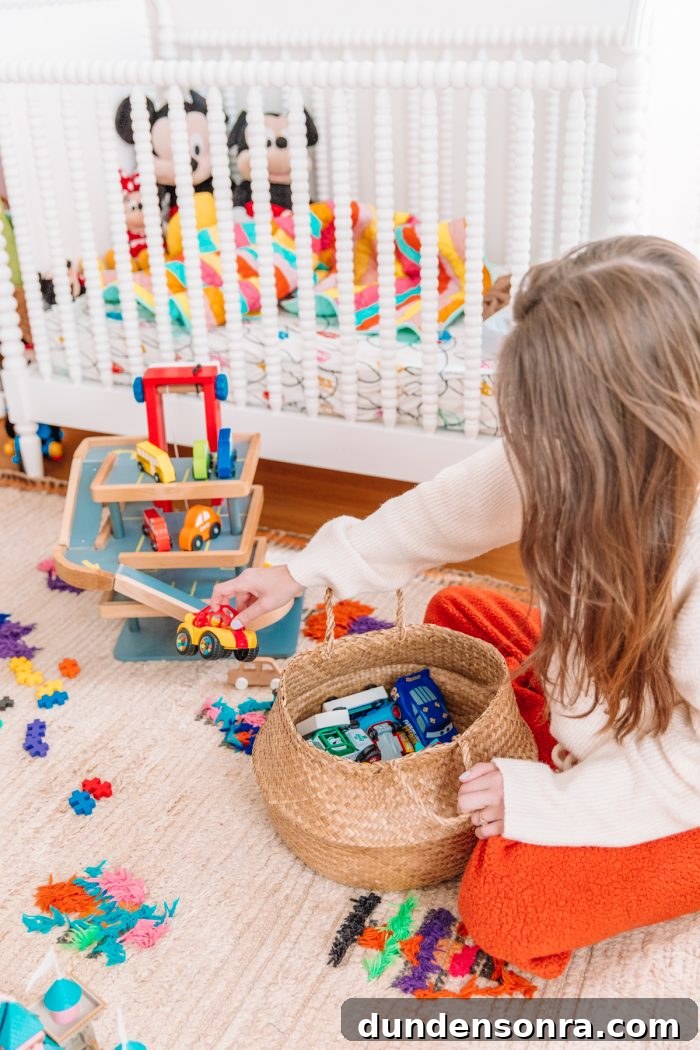
I’m curious about other families’ strategies. This approach works well for us now, but it isn’t universal and will evolve as Arlo grows. I feel good about the toys we accept into our home and hope to keep refining our approach as his interests change.
Toys Pictured:
Wooden Truck + Conveyer Belt | Disneyland Castle (similar)
Letter Puzzle (similar) | Train Set
Mega Blocks | Magnatiles | Plus Plus Blocks
LEGO Duplo | Rainbow Wooden Blocks
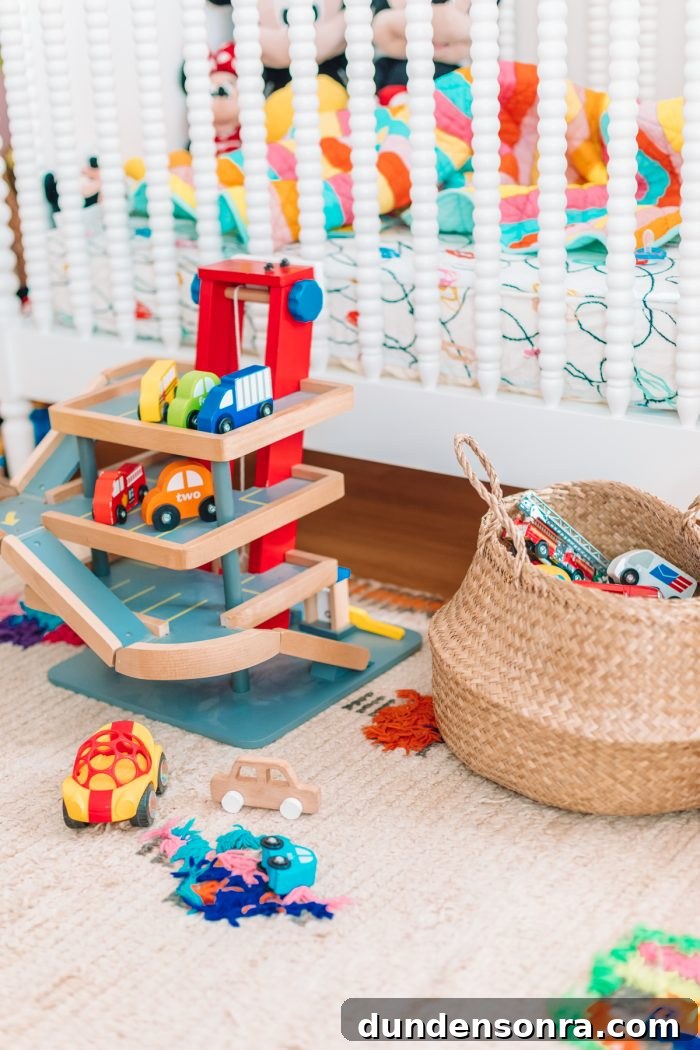
Dress Up Monkey | Wooden Garage | Gumball Machine
I’ve also written several posts on favorite toys and activities for young children.