
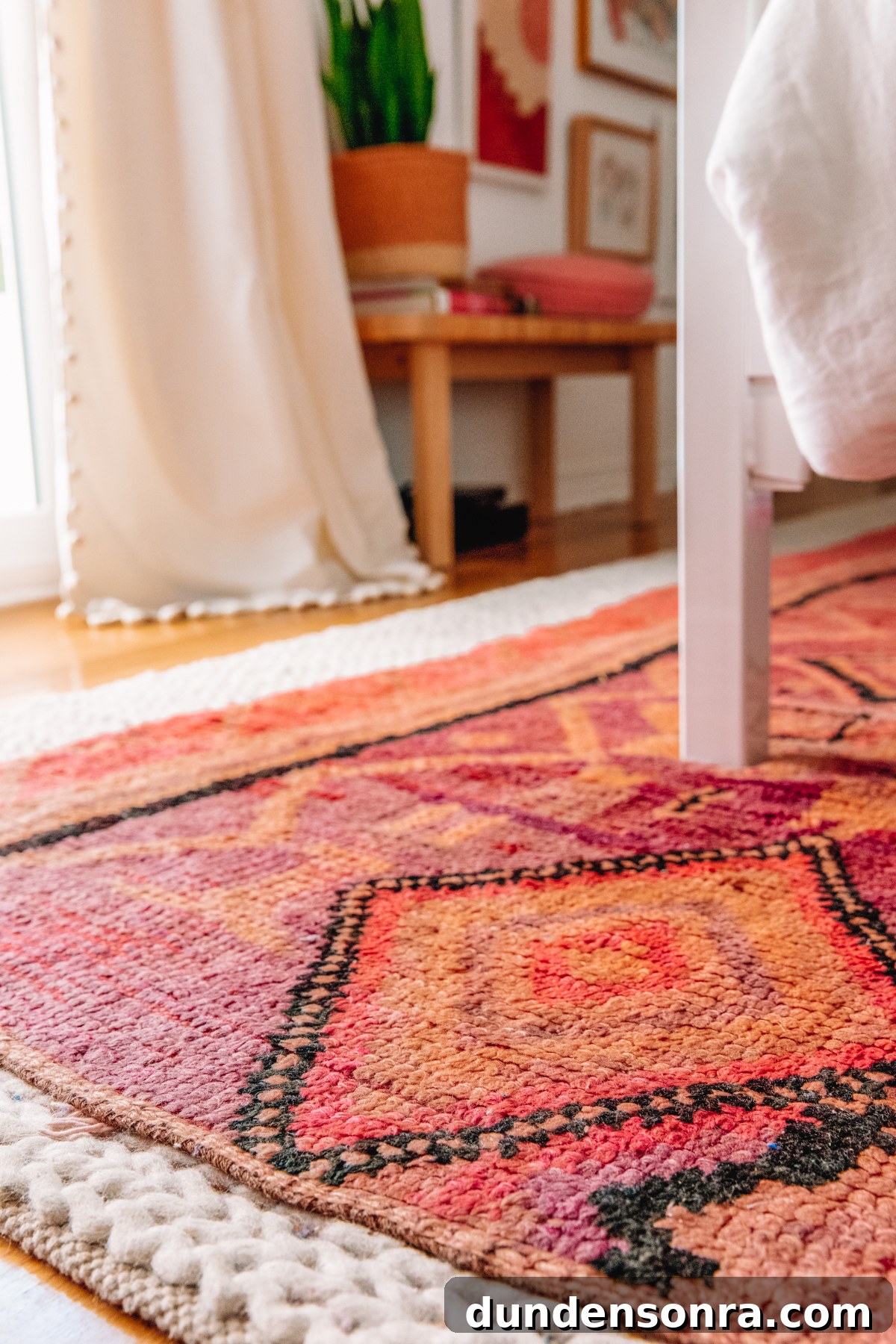
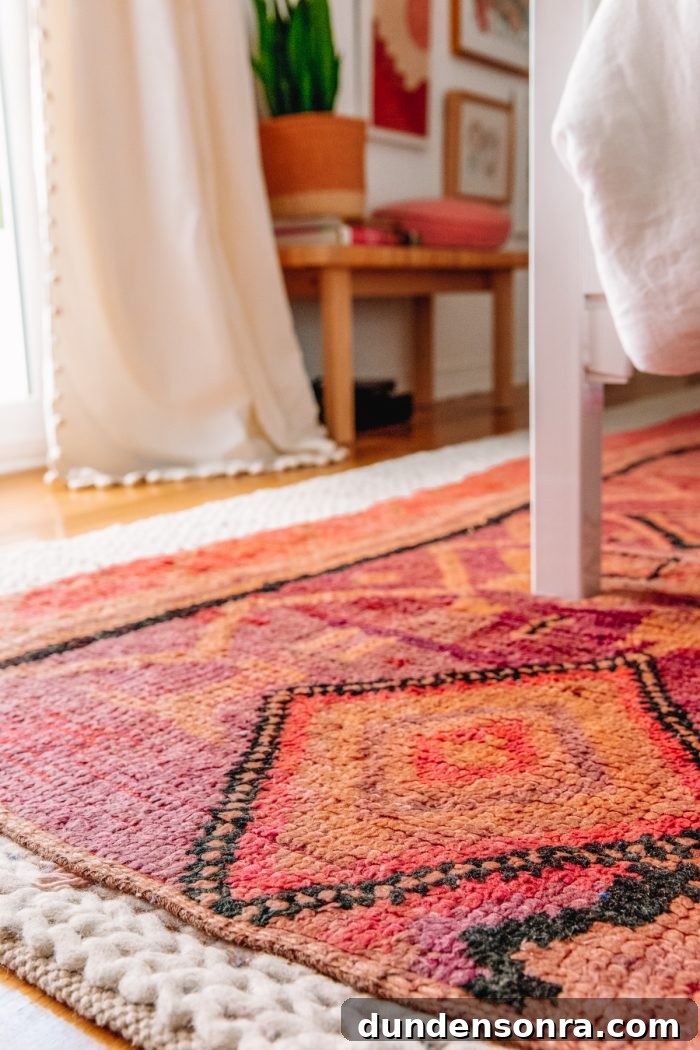
I’ve long loved vintage Moroccan rugs, and the most frequent question I hear is: how do you clean them? Many of us use these rugs in high-traffic areas like kitchens and dining rooms, so it’s an important topic. They’re often high-pile, richly colored, and made of wool, which means they need more thoughtful care than synthetic or low-pile rugs.
Despite the concerns—vacuuming, colorfastness, and stain removal—cleaning Moroccan rugs isn’t as intimidating as it seems. These rugs were made to last. Rather than give only my own tips, I asked five rug experts and shop owners to share practical, tested advice on cleaning everything from routine care to professional restoration.
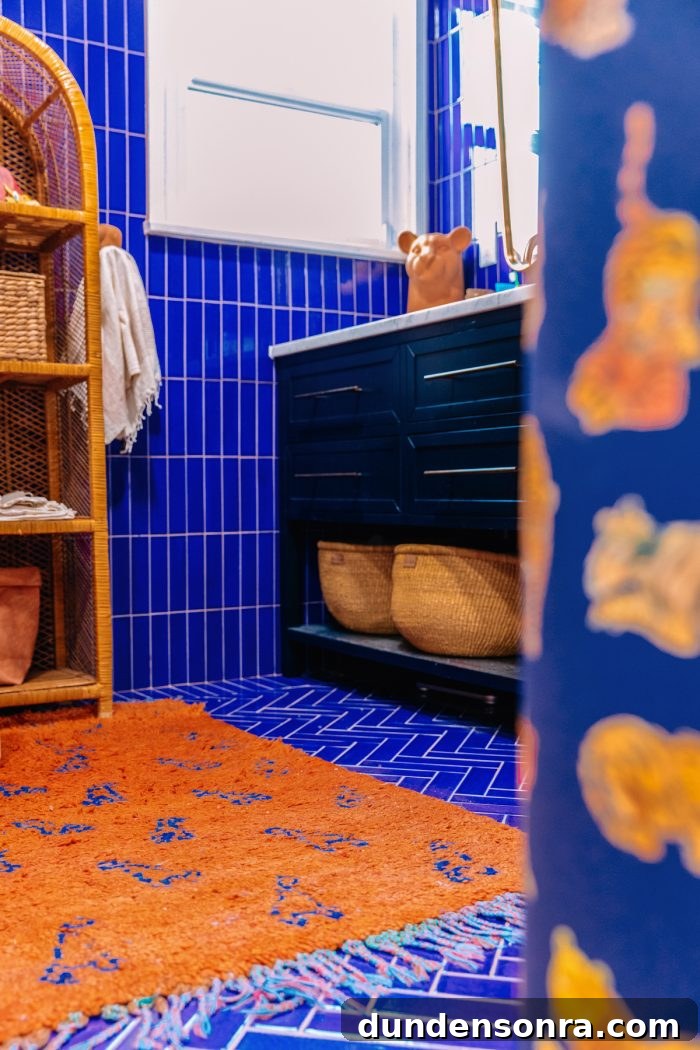
Meet the Experts
I spoke with five people I admire for their eye in curating Moroccan rug collections and for their deep knowledge of the rugs’ history and construction. Their perspectives informed the practical recommendations below.

Taib, Co-Founder of Soukie Modern.
Becca, Founder of June & Blue.
Mario, Founder of Shkoon Shop.
Ismail, Founder of Lahandira.
Nataliya, Founder of Drift Home Collection.
Below are their consolidated answers to the most common cleaning and care questions about Moroccan rugs.

How can I remove dust and allergens? Can I vacuum Moroccan rugs?
Yes—you can vacuum Moroccan rugs, but be gentle. A vacuum without a beater bar is ideal. If your machine has one, raise it to the highest setting to reduce friction on the wool. Vacuum side to side rather than along the pile, and every so often flip the rug over and vacuum the back to dislodge trapped dust.
Other low-tech options work well too: take the rug outside and shake it, or hang it and beat it with a broom handle to remove deeply embedded dust. Another trick is to place the rug face down, walk or stomp on it to loosen dust, leave it for an hour or two, then return it upright and vacuum.
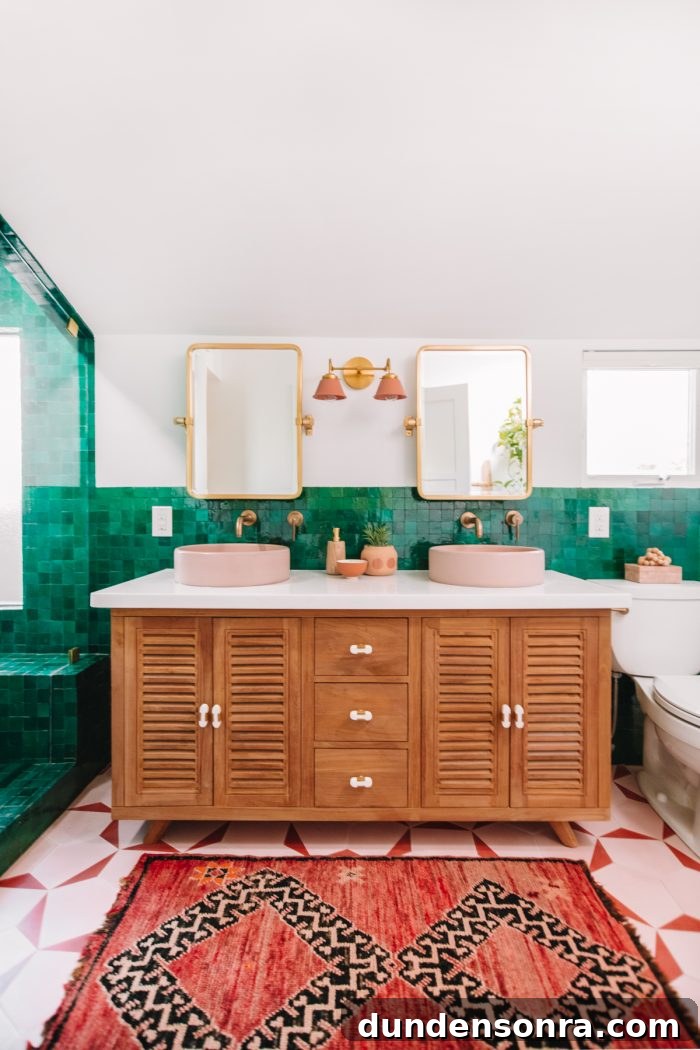
Can I wash my Moroccan rug at home? How should I do it?
Some small, durable styles like boucherouite rugs can be machine washed on a gentle cycle with cold water and then air-dried in the sun. These rugs are forgiving and work well in high-traffic or moisture-prone rooms.
For larger, higher-quality Moroccan rugs, in-home washing is not generally recommended. One major risk is residue from cleaning products: if shampoo or detergent isn’t fully rinsed out, the leftover residue can attract dirt and make the rug re-soil quickly. If you do clean at home, use a non-corrosive, wool-safe shampoo, rinse thoroughly with a hose, and allow plenty of drying time in sunlight to avoid residue and odors.
A gentle natural deodorizer trick: spread dry lavender on half the rug, fold and repeat on the other side, roll it up and leave for a day or two. Then shake and vacuum—the rug will smell fresh.
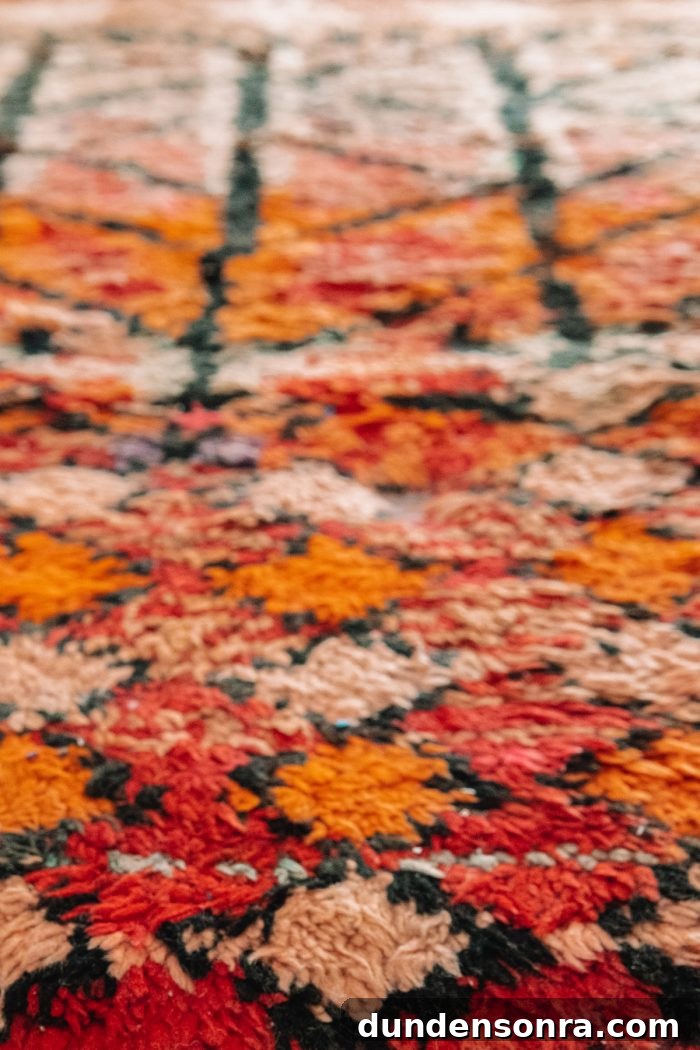
How do I spot-clean small stains?
If a spill happens, start by blotting with a clean towel to absorb as much liquid as possible. Try blotting with a little water next, then dry. For persistent stains, mix a small amount of mild detergent with water and test it on an inconspicuous area to check colorfastness. If the colors hold, gently work the mixture into the stain and blot until the area is clean. If a spot test shows color bleeding or the stain won’t lift, take the rug to a professional cleaner.
One contributor suggested soap and a small amount of bleach for tough odors or stains, followed by brushing with a soft brush, heavy rinsing, and drying in the sun for several days—but use caution and test first, especially on vintage or naturally dyed rugs.

How should I handle pet stains?
Act quickly. Blot up as much of the urine as possible, then try diluting the area with water and blotting again. A wool-safe detergent mixed with warm water and a splash of white vinegar can help if you catch it immediately. Because urine contains ammonia and can damage fibers or cause lingering odors, many experts recommend professional cleaning if the accident was large, has set in, or still smells after spot treatment.
Anecdotal experience shows that prompt, careful spot treatment can save many rugs, but prolonged exposure often requires professional attention.
Do Moroccan rugs shed, and can shedding be prevented?
Shedding is common with wool rugs, especially new, high-pile pieces. Vintage Moroccan rugs typically shed much less than newly made rugs. Over time shedding usually decreases as loose fibers work out. Gentle brushing with a soft dog brush can help remove excess fibers. Using a quality rug pad and regular, gentle vacuuming also reduces friction and fiber loss.
Author’s note: in my home, only the contemporary (new) rug sheds—our vintage rugs do not.
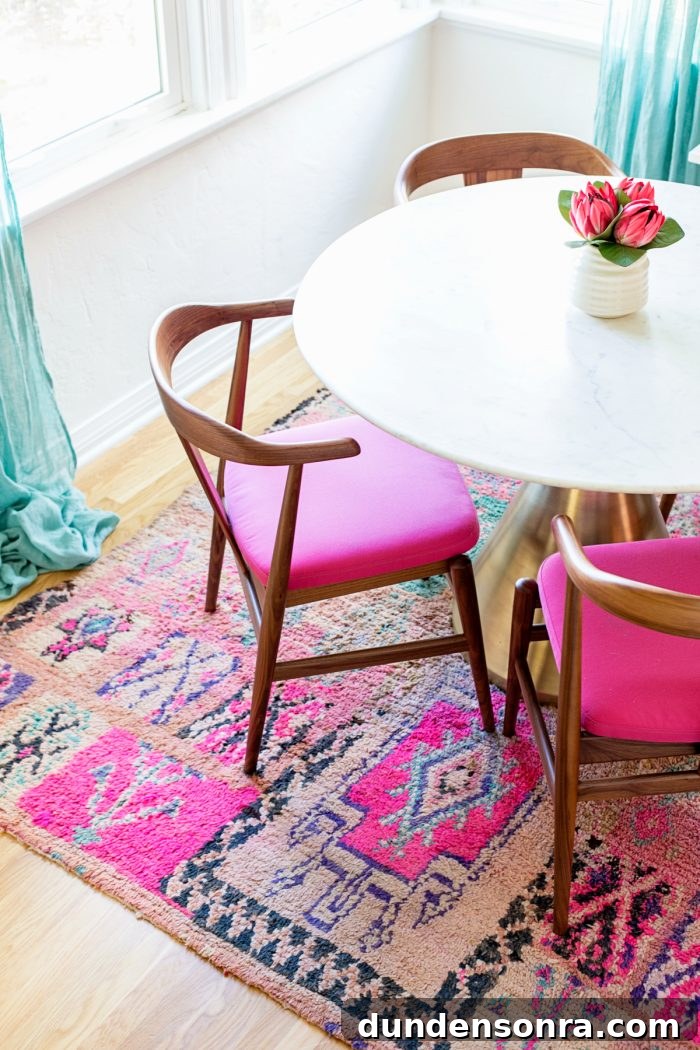
Will the colors on a Moroccan rug fade or bleed?
Most authentic vintage Moroccan rugs dyed with natural pigments are colorfast and won’t bleed or fade quickly. However, some newer, lower-quality pieces can fade or bleed when washed. Always test a small, hidden area with a damp white cloth before cleaning. If you’re unsure about the dyes, take the rug to a professional who can assess and use methods that protect the colors.
What should I never do when cleaning a Moroccan rug?
Never take a Moroccan rug to a dry cleaner. The chemical process used in many dry cleaning operations can damage natural fibers and dyes and may leave persistent odors. Also avoid harsh, corrosive cleaners and aggressive scrubbing that can weaken the wool or alter the colors.

Long-term care and professional cleaning
With basic care, Moroccan rugs can last a lifetime. Preventative maintenance—regular vacuuming, flipping and vacuuming the back, using a rug pad, and keeping dirt out of the fibers—will extend the rug’s life. Professionals recommend having rugs cleaned by a specialist every 2–5 years depending on use. Choose a cleaner experienced with Berber and Moroccan weaves and ask about their dye-testing and cleaning methods.
When a professional cleans your rug, they should be able to test colorfastness and select a method that preserves natural dyes. If you live in a climate with sunny outdoor space, gentle sun-drying can help refresh and deodorize rugs after a proper rinse.
Also, use a felt/rubber combo rug pad to reduce wear and keep the rug stable on any floor type.

The fear of cleaning Moroccan rugs prevents many people from enjoying them, but with the right precautions and occasional professional help, these natural-fiber rugs are a sustainable, long-lasting addition to your home. They require a bit more care than some alternatives, but their character and durability make the effort worthwhile.
Thanks to the experts who shared their knowledge: Taib, Ismail, Nataliya, Becca, and Mario. Their combined experience shows these rugs can be both beautiful and practical with the proper care.
All photos by Jeff Mindell