
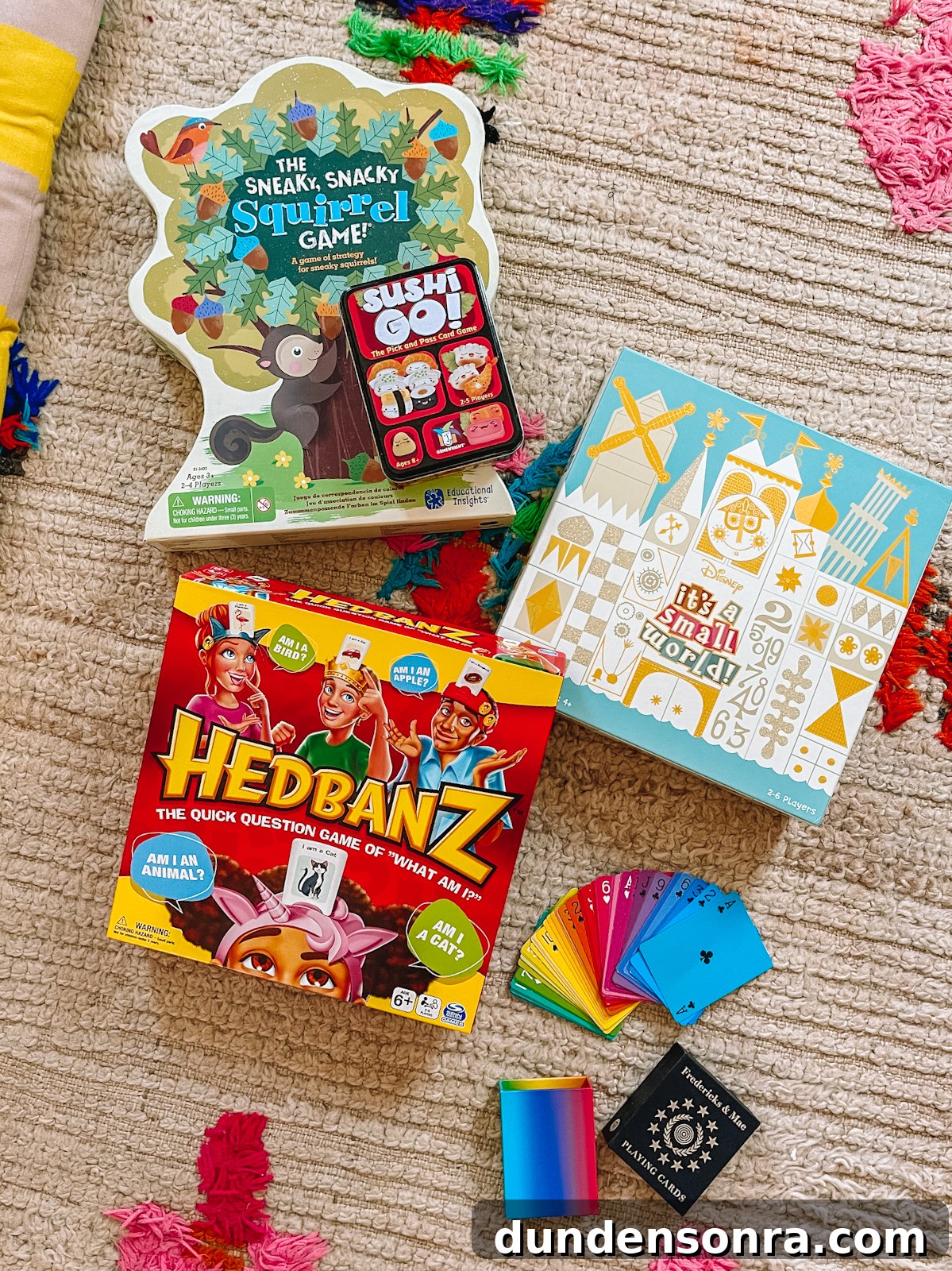
Our favorite preschool board games (and more) that are tried, true, and fun for little ones.
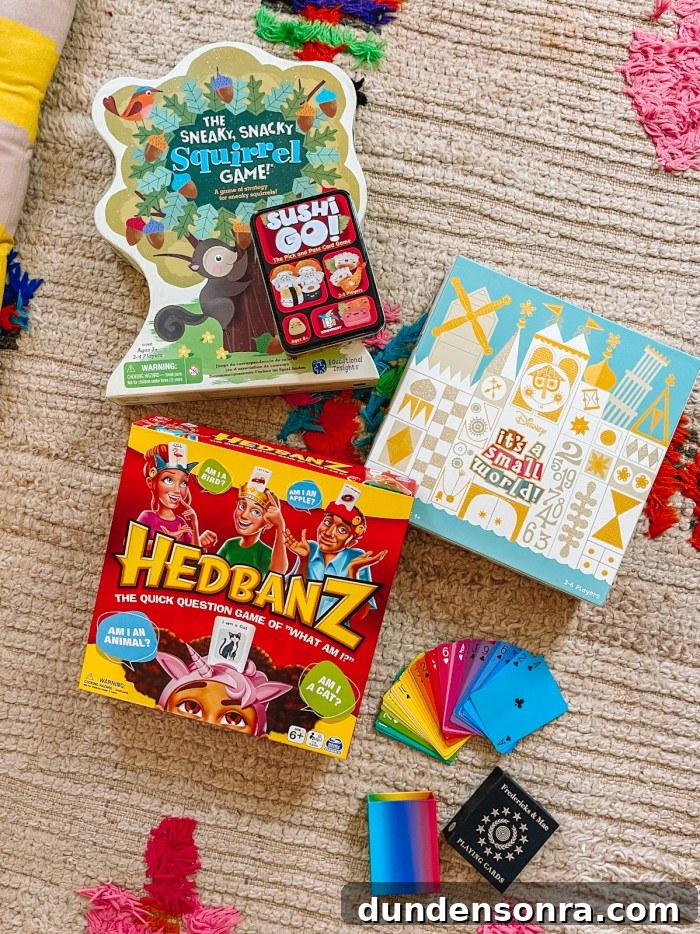
Game nights aren’t just for adults — bringing preschoolers into the mix can be a wonderful way to encourage critical thinking, creativity, turn-taking, and basic strategy while having a blast. Below are carefully selected favorites that work well for ages three and up, perfect for expanding your family game stash or picking a thoughtful birthday gift.
This roundup includes classic board games, cooperative picture hunts, active movement games, and portable card games. All are developmentally appropriate, simple to learn, and flexible enough for one-on-one play or a whole-family session.
Preschool Board Games
These board games play well with two or more players and are great for one-on-one time or family play. They introduce matching, color recognition, turn-taking, and early strategy in ways preschoolers find enjoyable.
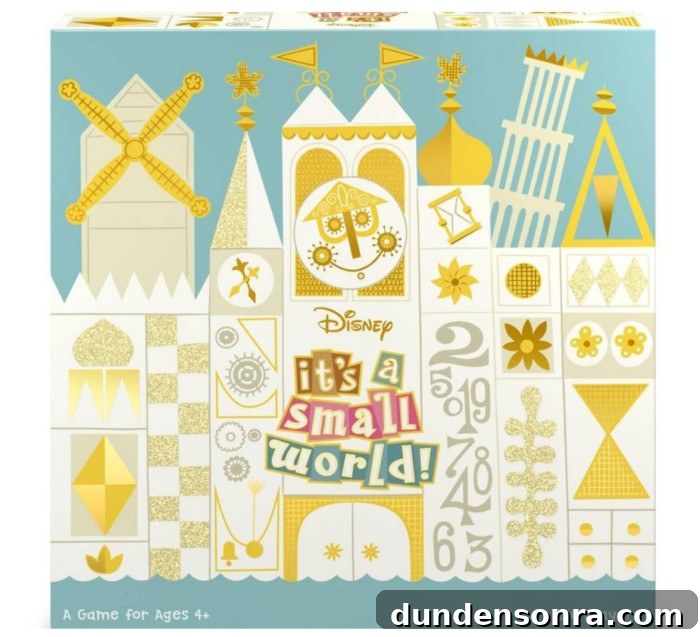
It’s A Small World Game: A three-dimensional matching game with light strategy. Players move through rooms trying to match cards to characters they find. It’s unique, engaging, and well suited for four-year-olds who can play independently.
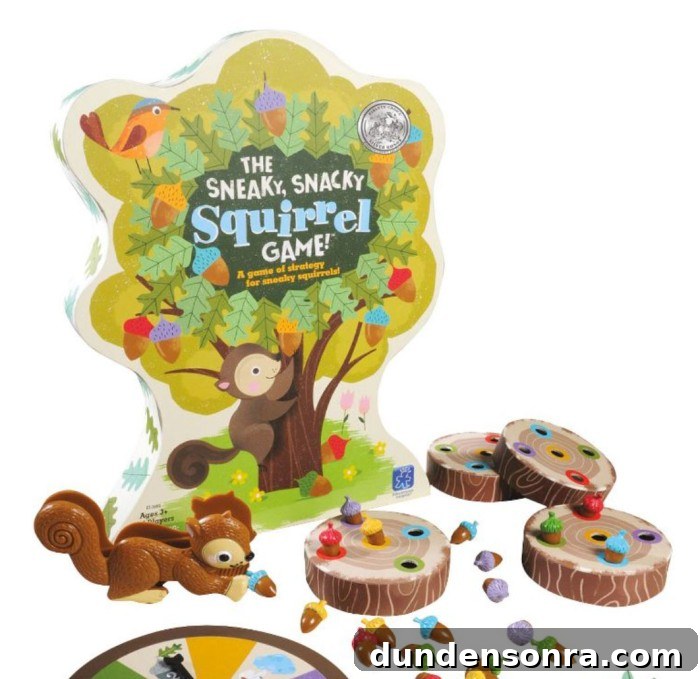
Sneaky Snacky Squirrel: A colorful game that reinforces color recognition and counting. Players race to fill their logs with matching acorns, which also helps develop fine motor skills and turn-taking.
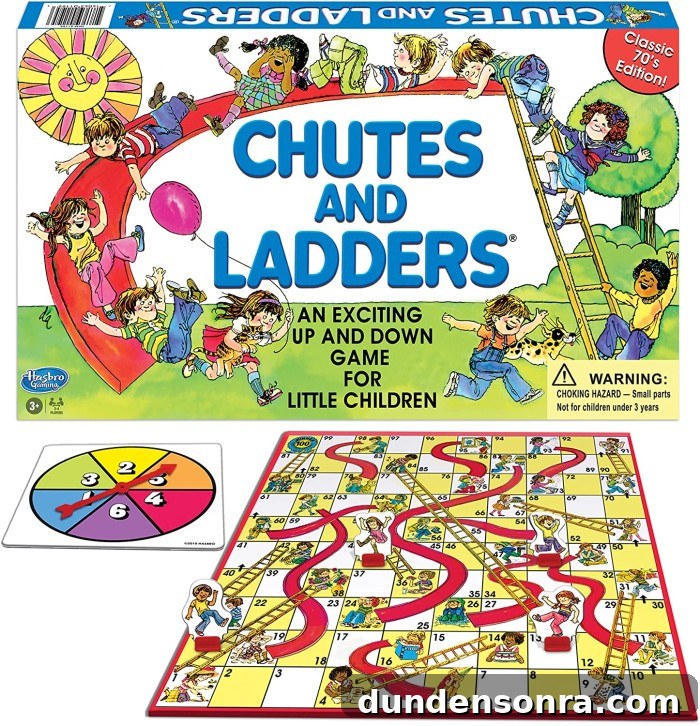
Chutes & Ladders: A timeless favorite driven by luck and simple rules. It’s an excellent introduction to board play for preschoolers and works well for short attention spans.
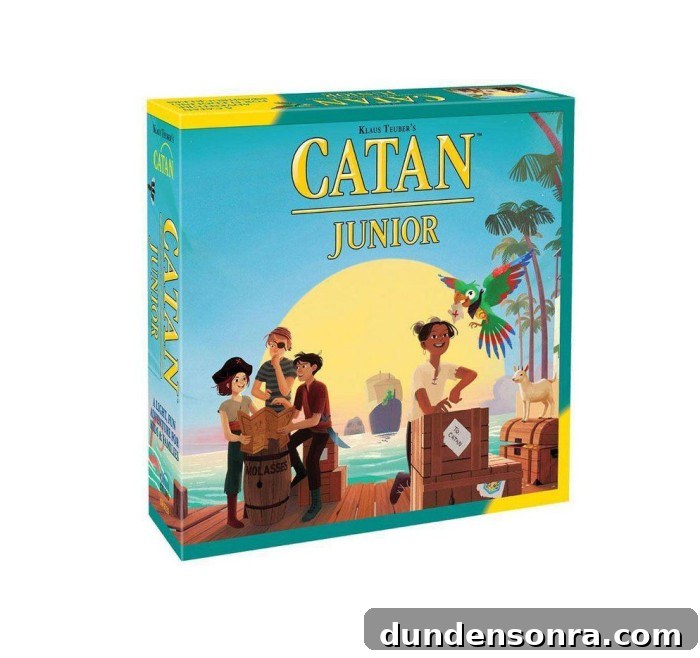
Catan Junior: A simplified version of the classic strategy game that introduces resource management and planning. While a bit advanced for younger preschoolers, it’s a great tool for teaching strategy to older preschoolers with guidance.
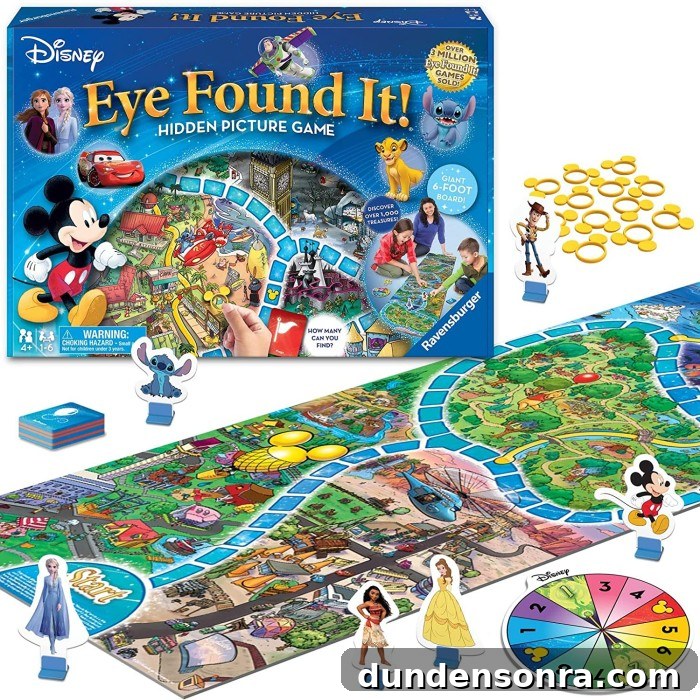
Disney Eye Found It! Hidden Picture Game: A collaborative hidden-picture game that encourages observation and teamwork. Players work together to spot items on richly illustrated boards, making it a gentler, cooperative alternative to competitive play.
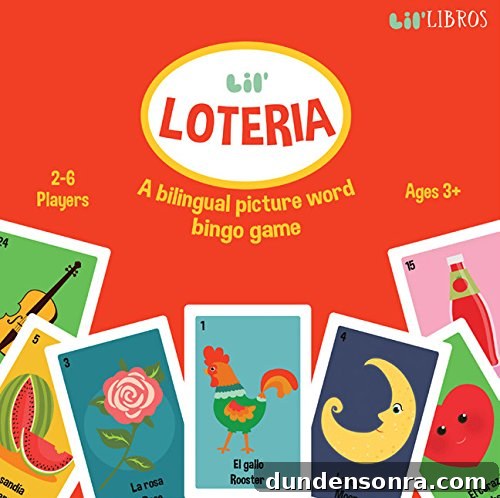
Lil’ Loteria: A bilingual, kid-friendly take on the classic Loteria bingo game. Players match picture cards to their boards while building English and Spanish vocabulary in a playful format.
Active Games
If you want to add movement to your playtime, these active games get kids up on their feet, improve gross motor skills, and keep energy positive.
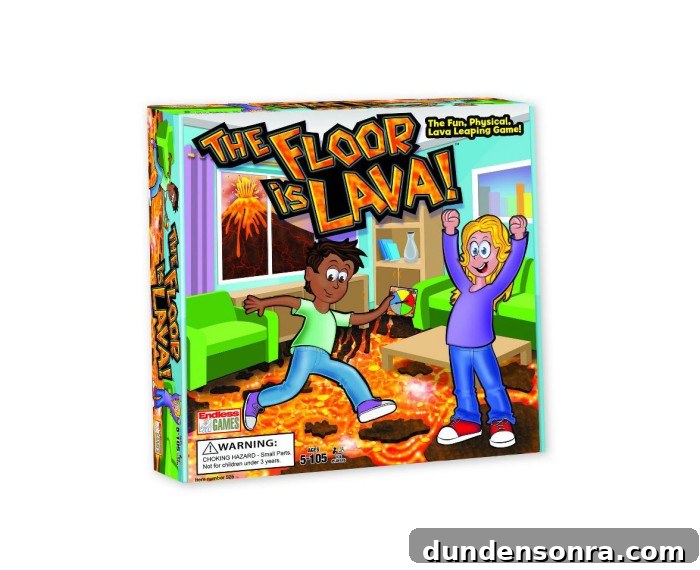
The Floor Is Lava: Inspired by the timeless imaginary game, this version adds structured challenges and obstacles, turning a familiar pretend game into an interactive experience that encourages creativity and movement.
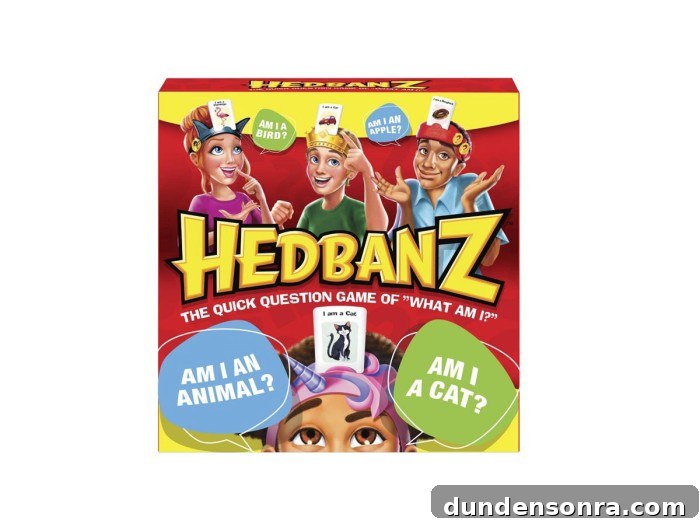
Headbanz: A simple yes/no guessing game with no reading required. Players wear a card on a headband and ask questions to deduce the image they have. For younger children who aren’t yet comfortable asking questions, an adult can give descriptive clues until they guess.
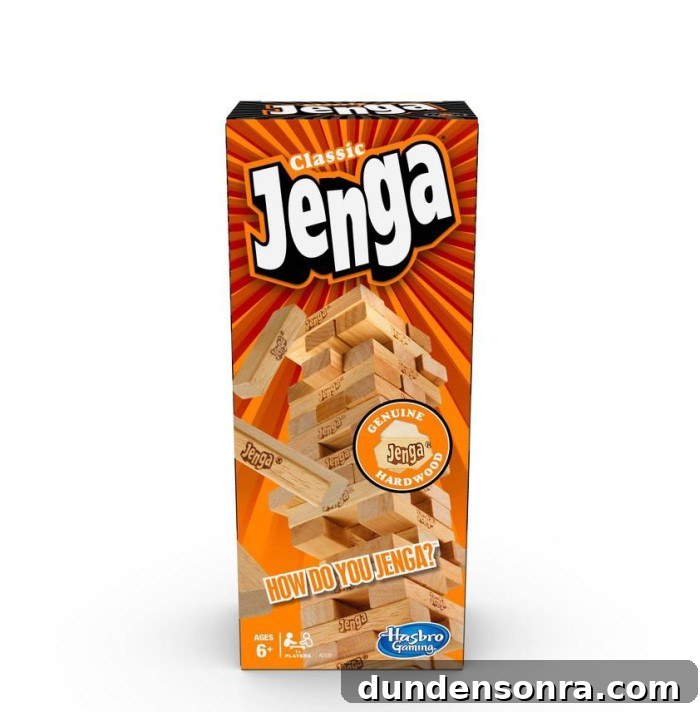
Jenga: The stacking-and-knockdown appeal makes Jenga a perennial hit. It builds fine motor control and patience. For outdoor play, consider a larger lawn version to change the pace and increase the wow factor.
Card Games for Preschoolers
Card games are compact, portable, and ideal for travel, restaurants, or quiet afternoons. These picks focus on color recognition, memory, and simple set-collection mechanics.
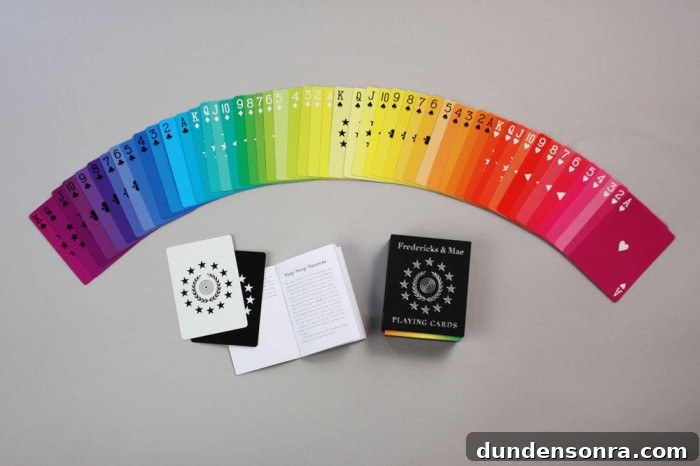
Rainbow Deck of Cards: This colorful deck lets you play slap-style games without requiring reading. Players pick a color and try to slap the pile when that color appears. It’s fast-paced, fun, and sparks friendly debates about color names and shades.
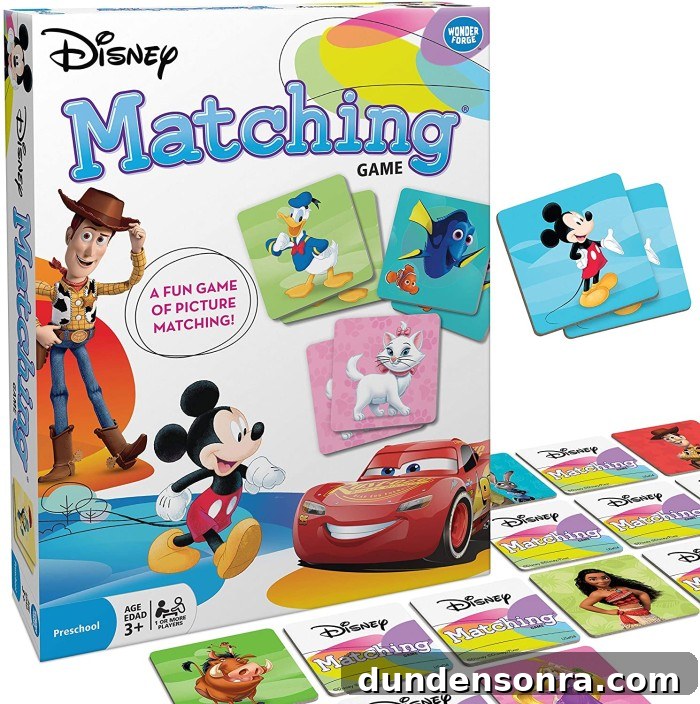
Disney Memory Game: Memory matching is a preschool staple. This Disney-themed set is easy to scale by choosing how many pairs to use and features familiar characters to keep kids engaged.
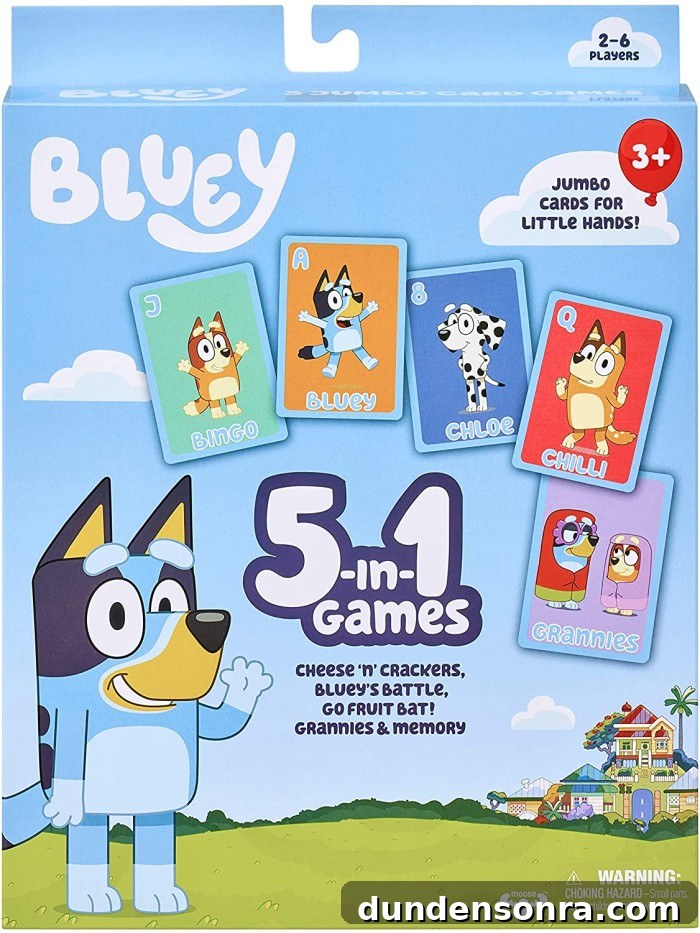
Go Fish (character decks): Classic Go Fish works with any themed deck. Using familiar characters like Bluey or Winnie the Pooh makes the game more appealing to preschoolers while teaching matching and asking for specific cards.
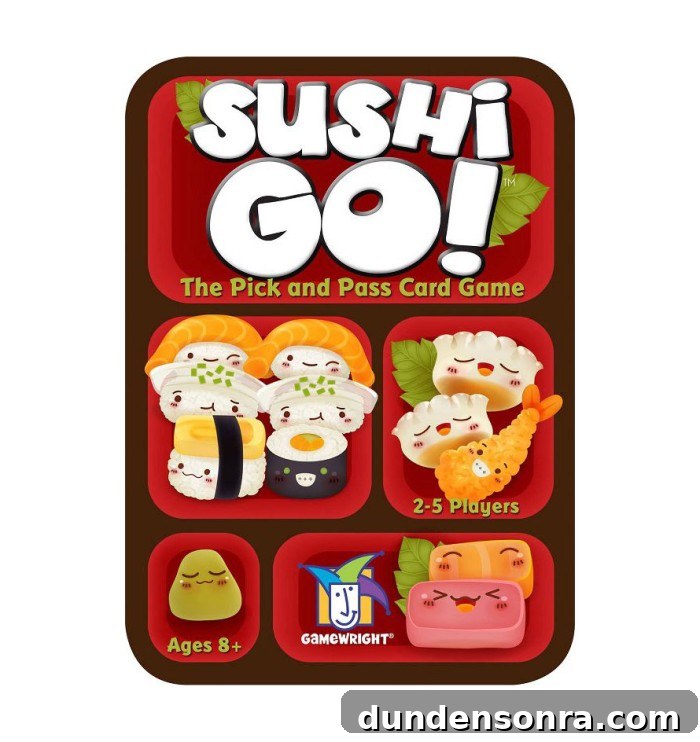
Sushi Go!: Though recommended for slightly older children, this fast, card-drafting game is an effective way to introduce simple strategy. Players pick cards to build point-scoring sets; the quick rounds keep young attention spans engaged.
Which games have become favorites in your household? Share what works best with your preschooler — simple rules, cooperative play, or active movement can all make game time memorable.