
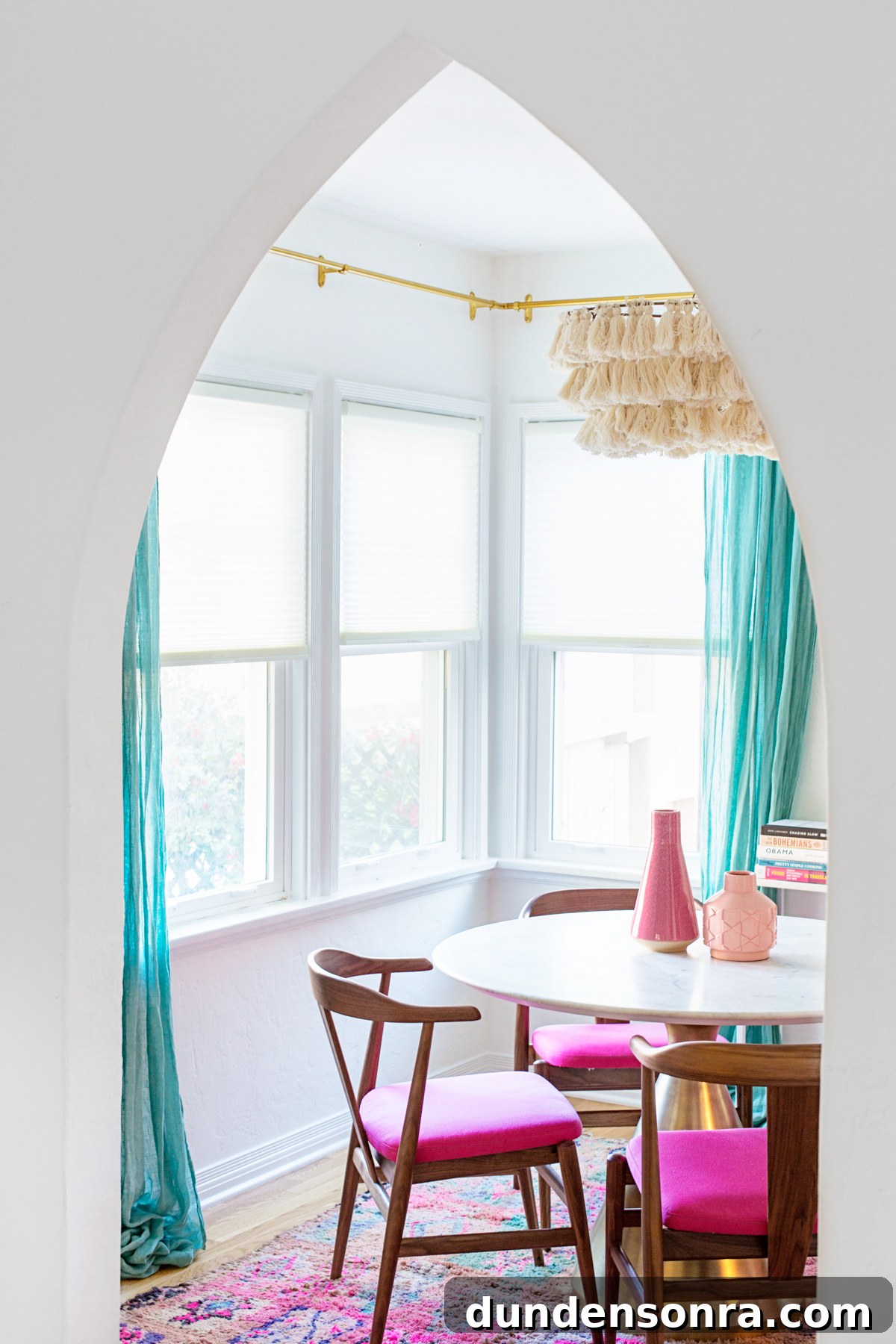
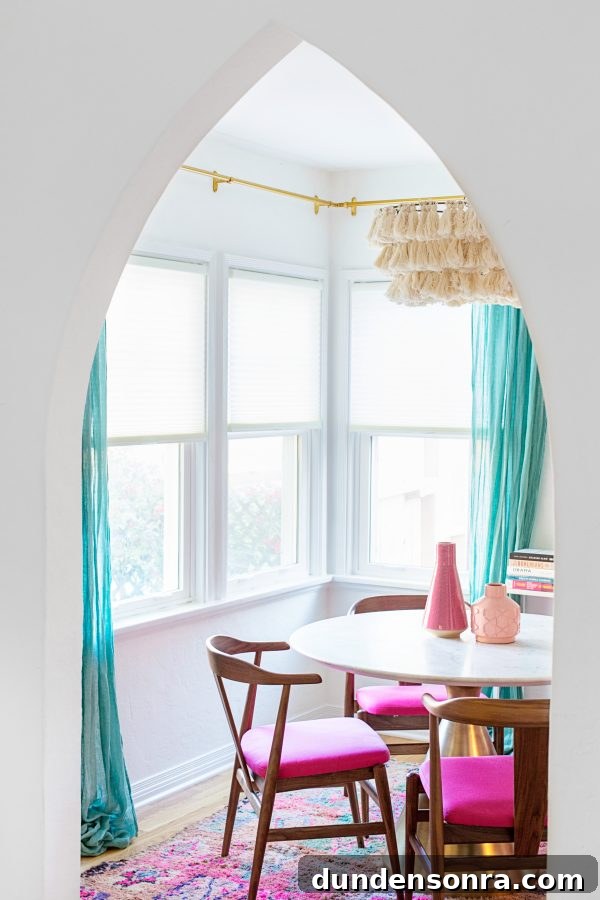
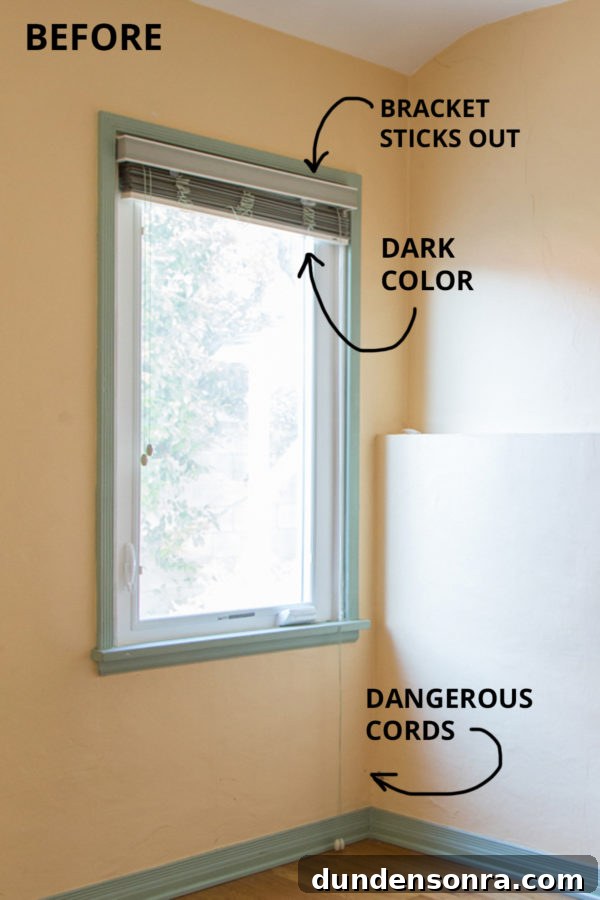
Moving into a fixer-upper brings plenty of surprises. Thankfully, the previous owner had replaced all the windows, but they left behind a chaotic mix of window coverings: a deep sage-green blind in the living room, cream shades in the dining room, wood blinds in one bedroom and vertical blinds in the master. It was a hodgepodge that made the whole house feel disjointed.
After sharing the “before” photos, Blinds.com reached out to offer help and connected me with an expert who walked me through options. That conversation was invaluable. I took my time—five months of indecision—and eventually replaced every window covering so all the blinds match. The difference in natural light and the overall flow of the rooms has been dramatic.
Below I share the three simple steps we followed to choose blinds that work for our home: setting priorities, measuring carefully, and cross-checking options to find the best fit.
1. Determine your priorities
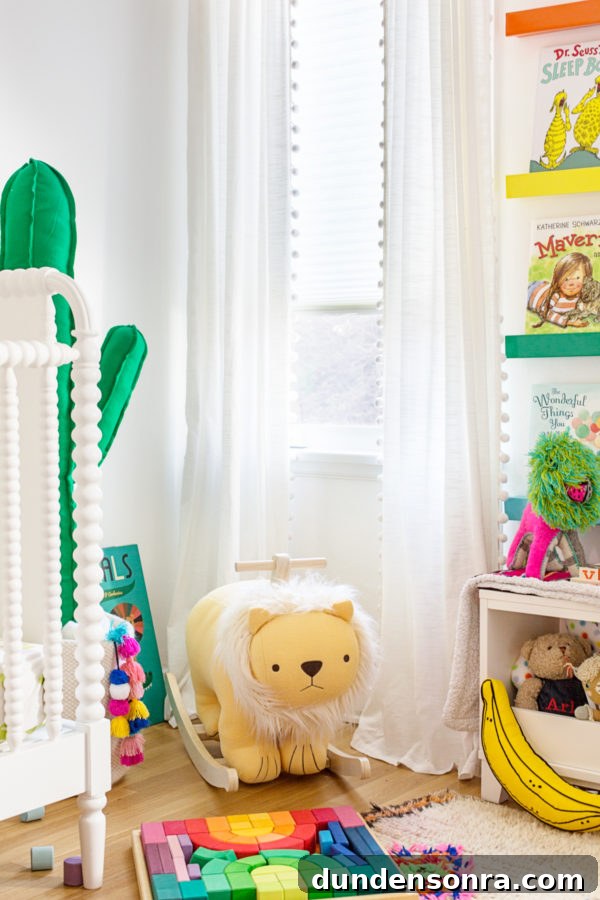
Before you look at styles or materials, decide what’s most important. For me, letting natural light into every room was a top priority. I’m not a fan of blackout shades—waking up without natural light feels disorienting—so I wanted light-filtering solutions that still provide privacy.
Privacy was essential because we’re in a dense neighborhood where neighbors can easily see into rooms. We also considered safety: with a young child in the house, cordless blinds were a must. Finally, I wanted the blinds to be discreet and blend with the window frames, since I planned to add drapes in each room.
2. Measure everything
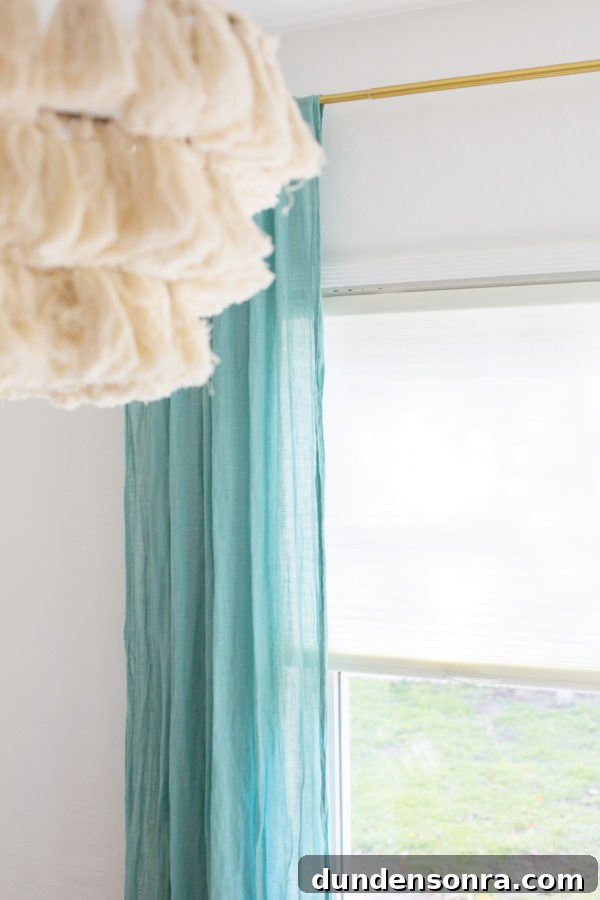
Measure every window precisely. Even windows that look identical often have different dimensions. Accurate measurements are the foundation of a good blind installation. Window depth also matters—some blinds sit inside the frame, while others mount outside. Our windows turned out to be quite shallow, which limited some options and made others, like low-profile shades, more attractive.
Don’t rush through this step. Exact measurements prevent ordering mistakes and ensure the blinds sit correctly, look integrated and operate smoothly.
3. Cross-check and compare
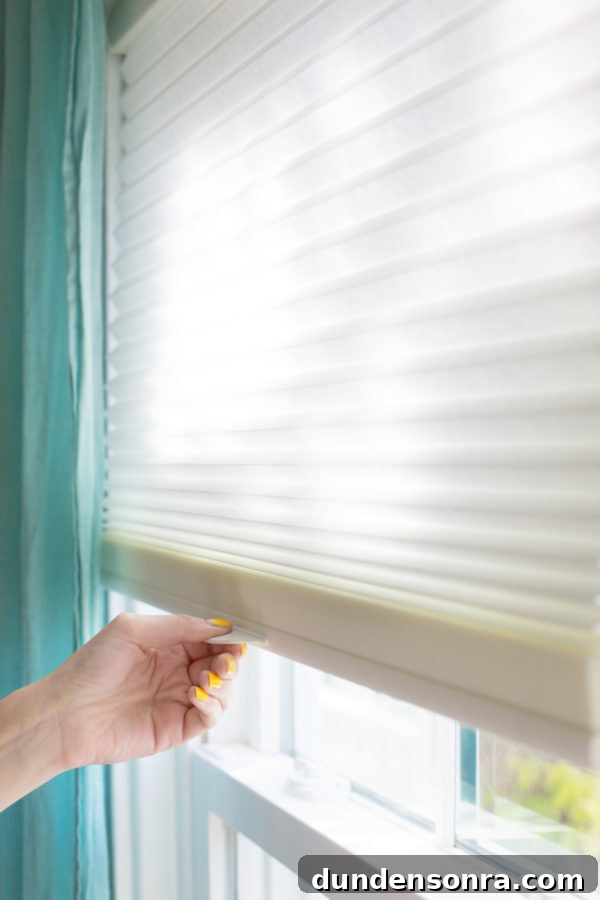
Take your priorities and measurements and compare the blind types that meet your needs. Based on my goals—light-filtering, cordless, discreet—I narrowed the choices to roller shades and cellular shades. With our shallow window depth, a specialist recommended cellular shades as the most discreet, modern-looking option.
We chose Signature Light Filtering Cellular Shades in a cordless configuration to provide privacy while letting light through. Ordering samples was crucial: I tested several whites and a couple of light pinks in each room to see how they looked with different light sources. Ultimately we selected a white shade called “Moonlight” because it matched our paint and gave a clean, contemporary feel.
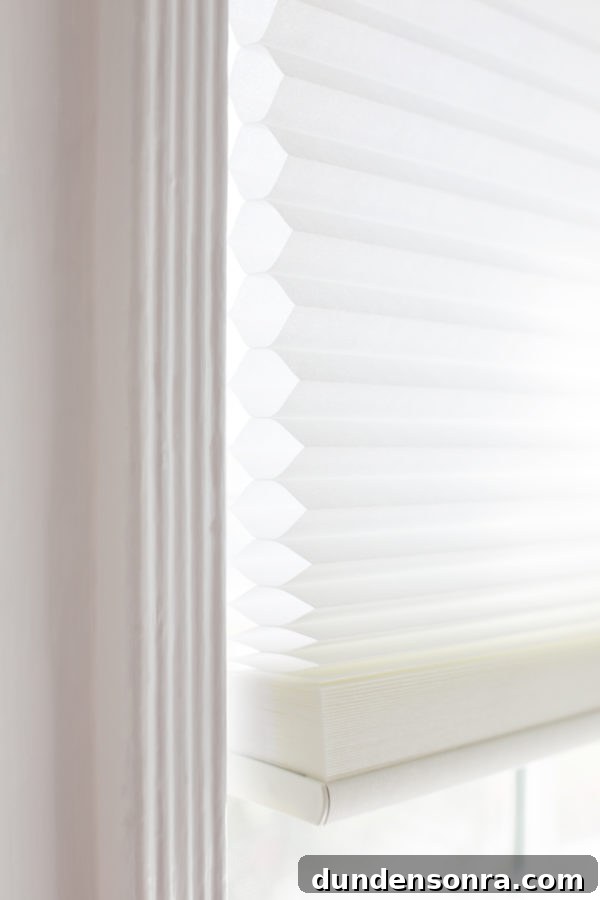
We custom-ordered each blind to the exact measurements and had them professionally installed. The installer was friendly, efficient and knowledgeable—so much so we joked about hiring him for other projects. The cordless, light-filtering shades are easy to operate and feel very well made.
The transformation was immediate. The mismatched dark and blackout coverings had weighed rooms down; swapping them for light-filtering white cellular shades opened the spaces and brightened the home significantly. Even without heavy renovations, the house now feels much lighter and more inviting.

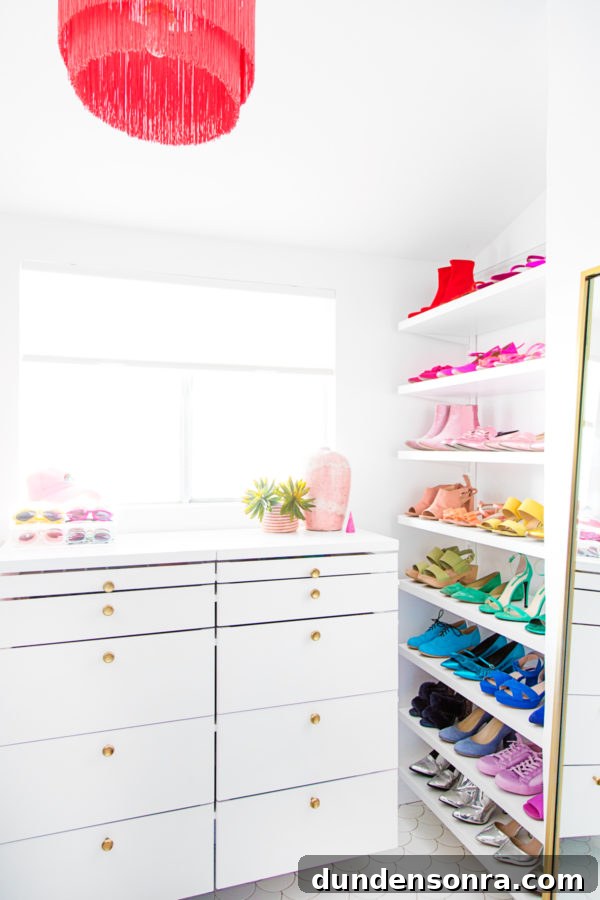
Every morning when we open the shades—one of our child’s favorite little tasks—one of us always says, “I love these blinds.” They’re attractive, practical and easy to use. If you’re thinking about updating window treatments, focus on your priorities, measure carefully and test samples in your rooms. The right blinds can make a surprisingly big difference to how a house looks and feels.
This post was created in partnership with the blind provider referenced in the original article. All opinions in this rewritten article reflect the author’s experience with choosing and installing window treatments.